"Good-Faith Implementation by Korea" Emphasized, but No Signal of a Shift in U.S. Position
Eyes on the Pace of the Special Act on Investment in the United States...Uncertainty over Tariff Reimposition Persists
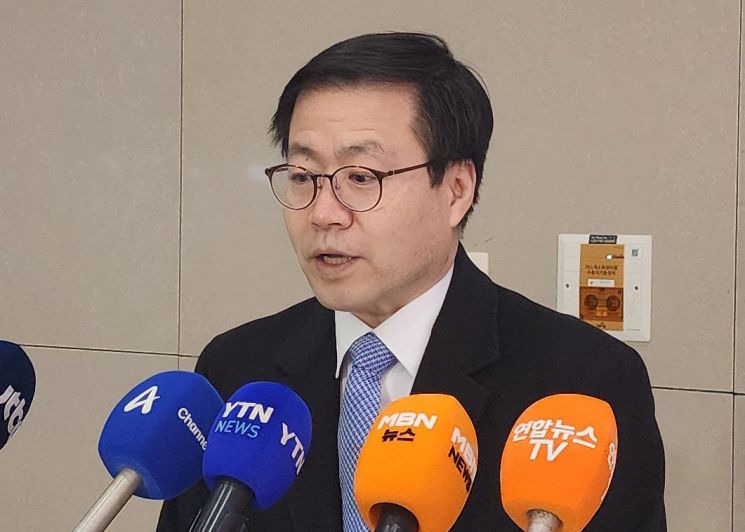
After completing his visit to the United States and returning to Korea, Trade Minister Yeo Han-koo of the Ministry of Trade, Industry and Energy is being assessed as having secured only a basic message of "continued consultations." Since he failed to draw out either an official change in the U.S. position or a clear signal of a postponement of the tariff hike, there are interpretations that he has effectively returned "empty-handed."
Speaking to reporters at Incheon International Airport immediately after his return on the morning of the 5th, Yeo said, "I emphasized to the administration, Congress, industry, and think tanks in the United States that Korea intends to faithfully and swiftly implement the tariff agreement," adding, "I tried to persuade them that, given Korea is making a good-faith effort, it would not be desirable for this to lead directly to a tariff hike." However, when asked whether the U.S. side had withdrawn its plan to reimpose higher tariffs or indicated any intention to adjust the pace, he drew a line, saying, "I cannot prejudge the U.S. position."
The fact that a direct meeting with Jamieson Greer, the head of the Office of the United States Trade Representative (USTR) and regarded as a key counterpart for this trip, did not materialize is also being pointed out as a problem. Yeo explained, "We held three in-depth rounds of consultations with the deputy and director-level officials at various levels, and I have also been in contact with the representative several times over the past three weeks." Nonetheless, the failure to meet with the heads of the USTR and the Department of Commerce, who wield significant influence over tariff decisions, is being cited as a limitation in terms of both symbolism and effectiveness.
The issue of publication in the U.S. Federal Register also remains unresolved. Yeo said, "Publication in the Federal Register is an internal administrative procedure," and explained, "Even after publication, the situation can change depending on whether the increase takes effect immediately or there is a grace period." However, it remains uncertain whether the United States will accept the Korean government's position that "publication itself is unnecessary." In effect, this means it is still unclear whether the message first floated by the U.S. side via social media will actually be followed by administrative action.
Some analysts say tariff uncertainty will persist even after the passage of the Special Act on Investment in the United States. Yeo assessed, "The fact that the National Assembly intends to move quickly will certainly help," but many observers believe that even if the special act passes, it is hard to be sure that the United States will completely withdraw the option of reimposing higher tariffs. This is because the United States may present additional demands beyond assurance on investment implementation, such as digital regulation, non-tariff barriers, and the construction of nuclear power plants.
In practice, trade experts are mentioning the issue of nuclear power plant construction in the United States as a potential bargaining chip for the U.S. side. Earlier, Minister of Trade, Industry and Energy Kim Jung-gwan was also reported to have discussed cooperation in areas such as energy and resources during his visit to the United States with Secretary of Energy Chris Wright. Minister Kim said, "It is not something I can speak about in detail," but added, "There were various discussions on nuclear-related cooperation between Korea and the United States." Regarding such "additional cards" from the U.S. side, Yeo again drew a line, saying, "We did not discuss those matters with the USTR."
Overall, there is growing assessment that Yeo's latest U.S. visit was largely aimed at "buying time" to put out the immediate fire of a tariff hike. The strategy is to maintain consultation channels until the U.S. administration makes its final decision, while simultaneously pursuing legislation in the National Assembly and diplomatic persuasion. However, critics point out that the limitations are clear, given that the decision on whether to reimpose higher tariffs still rests in U.S. hands. As the likelihood grows that uncertainty in the trade environment will be prolonged, analysts say that the government's follow-up response and the speed of legislative action in the National Assembly have become even more important tests.
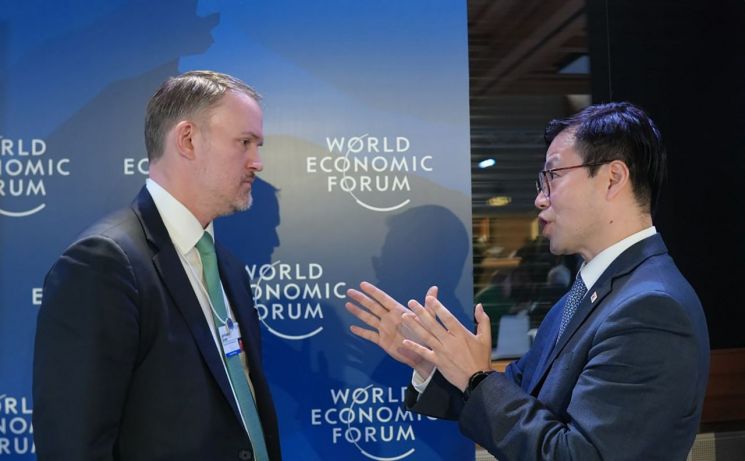
The following is a Q&A with Minister Yeo.
-What were the outcomes of your visit to the United States?
▲We met with a wide range of counterparts in the U.S. administration, Congress, industry, and think tanks, and emphasized that Korea is determined to faithfully and swiftly implement the tariff agreement. We focused on persuading them that, in a situation where Korea is making a good-faith effort, it would not be desirable for this to lead directly to a tariff hike.
-You were not able to meet USTR Representative Jamieson Greer.
▲We consulted sufficiently with the USTR. We held three in-depth rounds of consultations at various levels, including the deputy and director-level officials, and I have also been in contact with the representative several times over the past three weeks. We plan to continue consultations next week.
-The National Assembly says it will pass the Special Act on Investment in the United States within a month. Do you think that will be effective?
▲We cannot prejudge the U.S. position. However, given that the United States had previously raised concerns about delays in the special investment act, I believe the National Assembly’s intention to move quickly will certainly help. It is also important to consult closely on the remaining implementation tasks to prevent any misunderstandings.
-Is there still a possibility that tariffs will be raised again even if the special act passes?
▲At this stage it is difficult to say definitively. What we can do is faithfully implement what has been agreed and continue consultations with the U.S. side.
-What about President Trump’s social media comments and the issue of publication in the Federal Register?
▲Content posted on social media does not immediately become an administrative measure. It only takes effect after going through internal administrative procedures, such as publication in the Federal Register. Even if it is published, the situation can change depending on whether the tariff hike takes effect immediately or there is a certain grace period. The government’s position is that publication in the Federal Register is not necessary in the first place.
-Were the Coupang situation or issues related to digital regulation also discussed?
▲It is difficult to disclose the specific details of the consultations. However, we are focusing on managing the investment and non-tariff-related matters agreed between the two countries last year so that they do not escalate into friction.
-Were there any proposals regarding energy projects or cooperation on nuclear power plants?
▲We did not discuss such matters with the USTR.
-What negotiation cards did our side put forward?
▲It is hard to go into specifics, but at this stage I believe the most important thing is to pass the Special Act on Investment in the United States as quickly as possible. We will continue consultations on the remaining issues.
© The Asia Business Daily(www.asiae.co.kr). All rights reserved.