Fire on Bread Loaf Production Line Shuts Down Plant
Timing of Supply Normalization Unclear as Alternative Production Is Reviewed
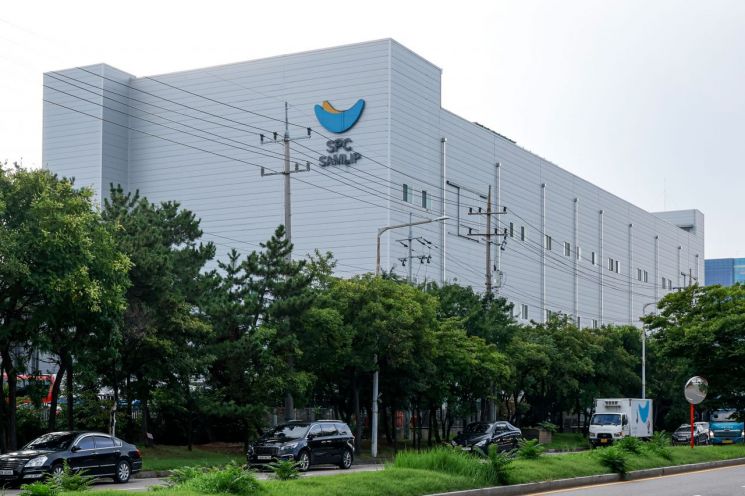
As a fire broke out at SPC Samlip's Siwha plant, the largest hamburger bun manufacturer in Korea, concerns are growing across the retail and food service industries over instability in the supply of raw materials. The Siwha plant is a key facility that produces major products such as hamburger buns, bread loaves, and frozen foods, and operations have been fully suspended due to this incident.
According to related industries on February 4, convenience store CU, operated by BGF Retail, and GS25, operated by GS Retail, have halted orders for SPC Samlip products. CU has stopped ordering 20 types of ambient bread and 3 types of refrigerated noodles, while GS25 has suspended orders for 22 types of ambient bread and 6 types of refrigerated noodles. The head offices of the convenience store chains have informed store owners that supply of these products may be unstable for the time being and have asked them to place alternative orders for other products.
Food service companies are also closely monitoring the situation. Outback Steakhouse, which receives Bushman Bread, as well as Burger King and Lotteria, are checking the status of bread deliveries. A representative of a food service company said, "The fire broke out on the bread loaf production line, but the entire Siwha plant is currently shut down," adding, "Whether operations will resume will be decided after a government inspection, so we are watching the situation and preparing to use alternative bread."
However, food service franchises have partially diversified their supply chains since a fatal industrial accident occurred at the same plant last year. Industry watchers say that this experience is likely to help reduce short-term menu suspensions and disruptions to business operations.
Bread loaves, which have a much broader customer base than hamburger buns, are expected to pose a bigger problem. Bread loaves are supplied to various distribution channels, including coffee franchises, convenience stores, and sandwich specialty shops. If alternative production is delayed, some outlets may inevitably have to adjust volumes or change delivery schedules.
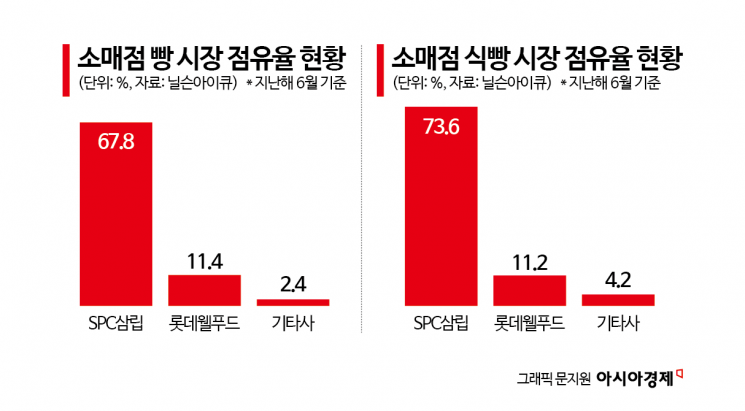
According to market research firm NielsenIQ, SPC Samlip ranked first with a 67% market share in retail bread sales in June last year. The gap with second-place Lotte Wellfood, which had an 11% share, was about sixfold. In particular, SPC Samlip's share in the bread loaf segment reached 73%, effectively dominating the market.
SPC Samlip is also reviewing internal plans for alternative production. The company plans to utilize major hub production facilities in Seongnam and Daegu, as well as external partner companies, to enable alternative production and supply of key products such as bread loaves and hamburger buns. Through this, the company intends to minimize the impact on deliveries to clients such as hamburger chains. However, it is expected to be difficult to quickly fill the gap left by the Siwha plant in the short term, as relocating equipment and restoring operations will inevitably take time.
An SPC Samlip official said, "We are cooperating with on-site recovery efforts and safety inspections by the relevant authorities, and once these are completed, we will do our best to fully normalize production and supply as quickly as possible."
The police and fire authorities are currently conducting an on-site investigation at SPC Samlip's Siwha plant in Jeongwang-dong, Siheung-si, Gyeonggi Province. The investigation is focused on the third-floor bread loaf production line in Building R, where the fire occurred, with efforts concentrated on identifying the initial ignition point and determining the cause of the fire. The fire broke out at around 2:59 p.m. on February 3 and was extinguished at around 10:49 p.m. the same day. The Siwha plant consists of seven buildings, and 544 employees were at work at the time of the incident. Three people - a woman in her 40s, a man in his 20s, and a man in his 50s - inhaled smoke and were transported to the hospital.
The Siwha plant where this fire occurred is also the site of a fatal serious industrial accident that took place in May last year. There are voices warning that consecutive accidents could increase SPC Samlip's financial burden. According to SPC Samlip, the Siwha plant is covered by a comprehensive property insurance policy, with coverage of about 412.2 billion won. However, the actual amount of insurance payout is expected to vary depending on the insurer's loss assessment. It is still unclear to what extent business losses from the production halt and the cost of restoring facilities will be compensated.
The securities industry believes that this fire could weigh on SPC Samlip's short-term earnings. If production disruptions are prolonged, a reduction in delivery volumes to food service companies and the occurrence of additional costs will be unavoidable. According to financial information provider FnGuide, SPC Samlip's consensus figures for last year's revenue and operating profit are 3.3478 trillion won and 77.8 billion won, respectively, representing declines of 2.3% and 18.1% from the previous year. A distribution industry representative said, "As it is unclear when supply will return to normal, there is no other choice but to continue operating with a focus on alternative products for the time being."
© The Asia Business Daily(www.asiae.co.kr). All rights reserved.