National Institute of Health Study Finds
Overall Mortality Risk Rises by Over 20%
Income Level Accounts for More Than 40% of the Effect
A study has found that single-person households face a significantly higher risk of both overall mortality and "premature death" compared to multi-person households.
According to the National Institute of Health under the Korea Disease Control and Prevention Agency on February 1, a joint research team consisting of Jae Seung Yoon, Jun Yeop Lee, Seung Hwan Lee, and Kyung Do Han published these findings in the international journal Mayo Clinic Proceedings. The study analyzed health risks for single-person households in both Eastern and Western contexts by utilizing large-scale cohort data from the National Health Insurance Service of Korea (approximately 2.44 million people) and the UK Biobank (approximately 500,000 people) from 2006 to 2021.
The results showed that, compared to multi-person households living with family, the "overall mortality risk" for single-person households increased by 25% among Koreans and by 23% among Britons. Notably, the risk of "premature death," defined as death before the age of 65, was even more pronounced, rising by 35% among Korean single-person households and by 43% among their British counterparts. The risk of death tended to increase further for those who lived alone for more than five years.
The increase in mortality risk was found to be due to a combination of factors: economic factors (such as low income), psychological factors (such as loneliness and depression), and lifestyle habits (such as smoking and obesity). In particular, income level was shown to account for approximately 42.3% of the increased mortality risk.
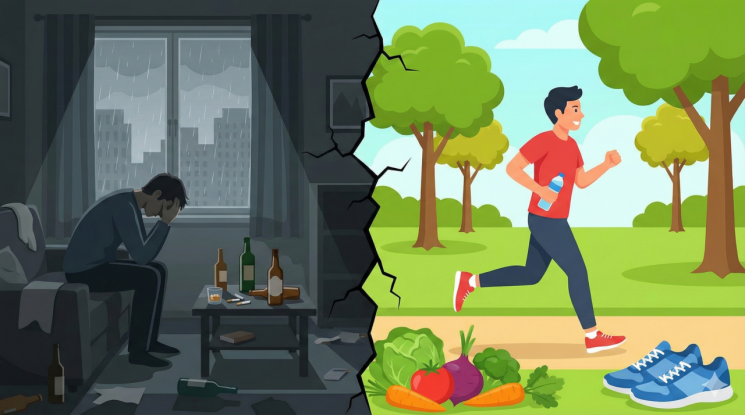
Correcting lifestyle habits had a significant effect in reducing mortality risk among single-person households. The research team reported that single-person households who practiced all healthy lifestyle habits-such as not smoking, drinking in moderation, and exercising regularly-experienced a 57% reduction in overall mortality risk and a 44% reduction in premature mortality risk compared to those who did not manage their lifestyle habits.
Nam Jae Hwan, Director of the National Institute of Health, stated, "The increase in single-person households is a global demographic and sociological trend, and this study is significant in that it scientifically demonstrates that isolation and deterioration of lifestyle habits due to living alone are key variables affecting health. It also proves that simply practicing healthy lifestyle habits can largely overcome the health vulnerabilities associated with living alone."
© The Asia Business Daily(www.asiae.co.kr). All rights reserved.

















