Changes in 43 Policies Including Welfare and Jobs
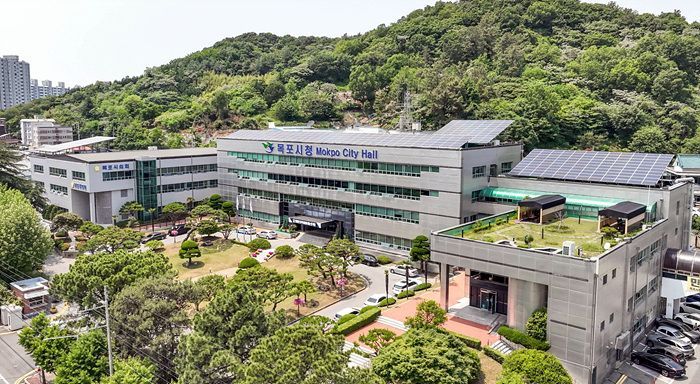
Mokpo City in South Jeolla Province has compiled and released a summary of the key changes in major systems and policies closely related to citizens’ daily lives for the new year.
According to the city, a total of 43 policies have been included, consisting of 11 newly launched projects starting next year and 32 cases where the selection criteria for existing systems have been eased or the amount of support increased. These cover a wide range of areas directly affecting citizens’ daily lives, including health, welfare, women, jobs, the economy, population, culture, transportation, maritime affairs, fisheries, and the environment.
In the health, welfare, and women’s sectors, the city will newly implement “Mokpo Care 365,” an integrated care program tailored for Mokpo. The core of this initiative is to connect medical, nursing, and care services so that citizens in need of complex care, such as seniors aged 65 and older and people with disabilities, can receive stable services year-round while continuing to live in their current residences.
Additionally, the city will promote practical health support projects, such as providing vaccines for pertussis (whooping cough) to pregnant women and up to 500,000 won in subsidies for cancer patients to purchase wigs. Major welfare programs will also be expanded overall. The basic pension and disability pension will each increase by 2%, and the livelihood benefit will rise by 6.51%. The means test for medical benefits will be abolished, the eligible age for the child allowance will be raised from 8 to 9 years old, and the payment amount will be increased by 5%.
In the fields of jobs, economy, and population, support and spaces for young people and workers will be strengthened. The Mokpo Youth Center “Nuri” is scheduled to open in March 2026 and will serve as a hub for youth activities, combining support for employment and entrepreneurship, education, culture, and communication.
In addition, the Industrial Complex Multipurpose Culture Center, established in the Sapjin Industrial Complex, will begin full operations in July 2026, providing worker amenities such as a workwear laundry, fitness room, and meeting rooms.
In the areas of culture and transportation, the city will expand policies to increase citizens’ access to cultural experiences and reduce transportation burdens. The Integrated Culture Voucher (Culture Nuri Card) will see an increase in support funds, and the Youth Culture and Arts Pass will be improved by expanding the eligible age and raising the support amount by 50,000 won, as well as allowing its use for movie tickets.
The public transportation fare reimbursement program (K-Pass) will expand its existing flat-rate benefits, and a new reimbursement type will be introduced for seniors aged 65 and older, which is expected to help ease transportation costs.
In the maritime, fisheries, and environment sectors, the city will operate the “Eobok Bus,” a telemedicine system, to improve healthcare access for residents of island areas. In addition, support for transitioning to electric vehicles will be expanded, including additional subsidies for those who scrap or dispose of internal combustion engine vehicles and purchase electric vehicles, to encourage the shift to eco-friendly transportation systems.
The city plans to post these changes in systems and policies on its official website so that citizens can easily access the information.
A city official stated, “The systems and policies to be implemented from 2026 are designed to provide practical benefits to citizens’ daily lives,” adding, “We will pay close attention to ensure that changes in welfare, jobs, culture, and transportation lead to improved quality of life for citizens.”
© The Asia Business Daily(www.asiae.co.kr). All rights reserved.

















