Reinterpreting the Karen People Not as Political Refugees, but as "Border Citizens"
The National Folk Museum of Korea announced on January 22 that it has published an academic series titled "We Are Karen: Karen Nationalism and Becoming Border Citizens," which sheds light on the lives of the Karen people living along the Thailand-Myanmar border.
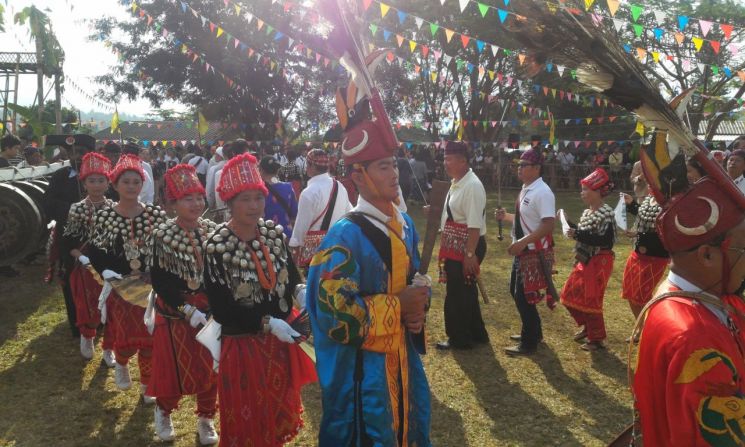
This book is the result of research selected through the museum's "Academic Series Competition" project and is notable for expanding the perspective of diaspora studies from a Korea-centric view to a global one.
The author, Han Yooseok, a professor at National Pukyong University, has conducted over a decade of field research centered on the Mae Sot region in Thailand since 2011. He reinterprets the Karen people, who crossed the border to escape political persecution in Myanmar, not as passive refugees but as "border citizens" who actively shape their own lives. The book details the history and culture of communities formed across borders, the process of maintaining ethnic identity through refugee schools and churches, and the survival strategies employed to respond to discrimination.
The National Folk Museum of Korea expects that this series will serve as an opportunity for Korean society, which has entered an intercultural era, to reflect on the value of coexistence. The book is available for free download on the museum's website.
© The Asia Business Daily(www.asiae.co.kr). All rights reserved.

















