Concerns Over Changes in Working Conditions After Integration
Worries Raised About Lack of Public Discussion and Potential Resident Conflict
Over 80% of Gwangju City Civil Servants Hold Negative Views
Skepticism Spreads Throughout the Local Public Sector
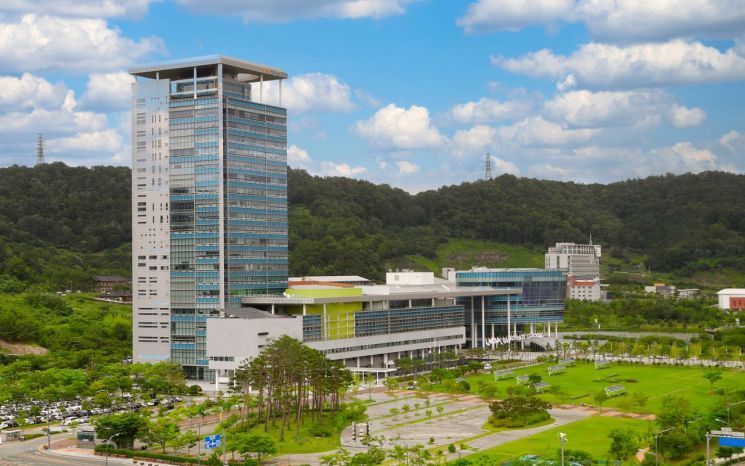
More than half of the civil servants at the Jeonnam Provincial Government believe that the push for administrative integration between Gwangju and Jeonnam is being carried out hastily. As negative sentiment toward the integration was already overwhelmingly dominant among civil servants in Gwangju Metropolitan City, this is seen as evidence that skepticism is spreading throughout the public sector.
According to the results of a survey conducted by the Jeonnam Provincial Government Employees’ Union on January 21, 56.8% of respondents said that the current administrative integration process is “being rushed and handled carelessly.”
When including those who answered “difficult to judge” (26.5%), it can be interpreted that over 80% of respondents do not trust the current approach.
When asked about their position on integration, 40.6% were in favor, 36.8% were undecided, and 22.6% were opposed. While support was the largest single group, the combined proportion of those who were cautious or opposed exceeded half.
Among those who supported integration (multiple responses allowed), the most common reason was “strengthening local autonomy and increasing financial resources” at 71.1%, followed by “advantageous for attracting large-scale national projects and companies” at 38.9%.
On the other hand, among those opposed (multiple responses allowed), the top reason was “concerns about resident conflict due to lack of public discussion and hasty implementation” at 72.7%, followed by “entrenchment of a Gwangju-centered decision-making structure” at 59%.
Regarding the timing for pursuing integration, 52.6% answered that it should proceed only after sufficient discussion, exceeding the majority.
Only 28.4% supported pushing ahead before July, while 11.2% preferred after July, reflecting the perception that the current schedule, which assumes completion before the local elections, needs to be reconsidered.
Regarding the integration process, 71.8% said that a resident vote is necessary, indicating considerable opposition to the current approach of proceeding solely with metropolitan council approval.
As for gathering opinions and providing explanations to civil servants, 75.8% responded that these efforts were “insufficient” or “nonexistent.” Regarding the impact of integration on working conditions, 53.0% said it would be “negative,” with the main concerns being promotion bottlenecks (74.7%) and increased work inefficiency (54.1%).
Previously, in a survey conducted by the Gwangju City Government Employees’ Union, 58.7% responded “very negative” and 21.9% “somewhat negative,” with negative perceptions reaching 80%.
This survey was conducted from January 16 to 19 among 2,187 civil servants at the Jeonnam Provincial Government, with 1,252 responding, representing a response rate of 57.2%.
© The Asia Business Daily(www.asiae.co.kr). All rights reserved.

















