Jefferies Investment Bank Releases Analysis Report
A 10% Drop in Passenger Weight Could Cut Fuel Costs by 1.5%
Fuel Savings Could Reach Up to $580 Million This Year
With the surge in popularity of obesity treatment drugs such as Wegovy and Mounjaro, the average weight of airline passengers in the United States is decreasing, and it is projected that U.S. airlines could save fuel costs amounting to hundreds of millions of dollars this year.
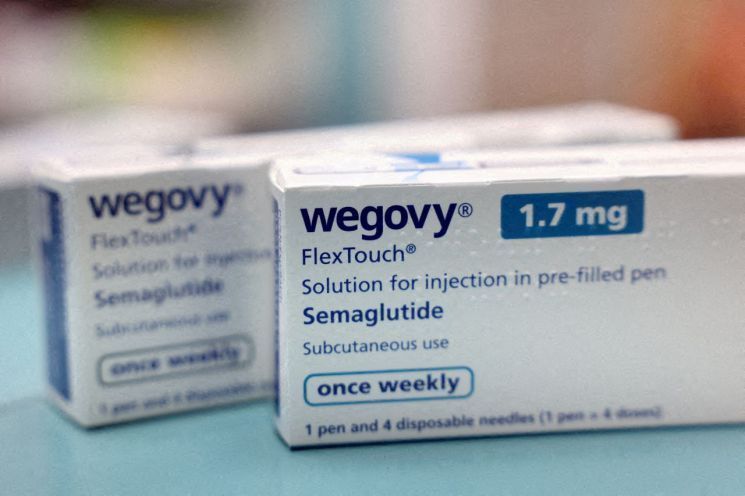
According to Bloomberg, CNBC, and others on January 17 (local time), the aviation and transportation analyst team led by Sheila Kahyaoglu at investment bank Jefferies stated in a recent industry research report that "the spread of obesity treatment drugs could allow U.S. airlines to save up to $580 million (approximately 850 billion won) in fuel costs this year."
The report estimated that if the average passenger weight decreases by 10%, the takeoff weight of each aircraft would drop by about 2% (1,450 kg). As a result, fuel efficiency would improve, leading to a reduction in fuel costs by up to 1.5%, and airlines' earnings per share could increase by as much as 4%. This analysis was based on the Boeing 737 MAX 8 model.
Jefferies assessed that the spread of obesity treatment drugs could have a tangible impact on fuel cost savings for major U.S. airlines such as American Airlines, Delta Air Lines, United Airlines, and Southwest Airlines. These four airlines are expected to consume about 16 billion gallons of fuel this year, and assuming an average price of $2.41 per gallon, the total fuel cost would reach approximately $39 billion (about 58 trillion won). This accounts for about 19% of their total operating expenses.
In the airline industry, weight directly translates to cost. As weight decreases, fuel efficiency improves, so airlines have long made efforts to reduce weight in various ways. Strategies have included changing in-flight meals to lighter options and introducing ultra-slim seats, among others.
In fact, United Airlines switched its in-flight magazine "Hemisphere" to lighter paper in 2018, reducing the weight of each copy by one ounce. This measure alone was estimated to save about 170,000 gallons of fuel annually, which at the time translated to approximately $290,000 in fuel cost savings.
The report noted that "the adult obesity rate in the U.S. has declined for three consecutive years, and the number of obesity treatment drug users has doubled," projecting that these changes will have a positive impact on airline profitability. However, it also pointed out that the estimates for fuel cost savings did not take into account the potential decrease in ancillary revenue from in-flight snack sales, as passengers' appetites may decrease due to the use of obesity treatment drugs.
© The Asia Business Daily(www.asiae.co.kr). All rights reserved.
![Clutching a Stolen Dior Bag, Saying "I Hate Being Poor but Real"... The Grotesque Con of a "Human Knockoff" [Slate]](https://cwcontent.asiae.co.kr/asiaresize/183/2026021902243444107_1771435474.jpg)
















