Expanding into Processed Products with Balsamic Vinegar
Sangju City Launches Specialist Training for Commercialization
Sangju City in North Gyeongsang Province has begun recruiting trainees for a “Domestic Grape Balsamic Vinegar Commercialization Specialist Training” program to increase the added value of grapes, the region’s representative fruit, and boost farmers’ incomes. The initiative aims to accelerate the diversification of revenue streams by moving beyond simple raw fruit sales to include processing and branding.
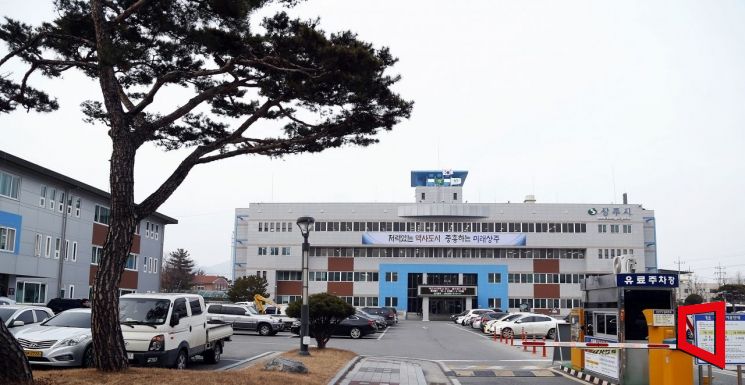
The city announced plans to systematically nurture professionals with expertise in the overall process of balsamic vinegar production and commercialization, targeting local grape producers, young farmers, and aspiring entrepreneurs in food processing. Through this program, Sangju aims to expand the utilization of local grapes and establish a foundation for developing Sangju-style processed products.
The training will be held from February 20 to May 1, 2026, every Friday from 1:00 p.m. to 5:00 p.m., for a total of 11 sessions (48 hours). Both theoretical and practical classes will take place at the Traditional Food Culture Experience Center of the Sangju Agricultural Technology Center. The curriculum also includes on-site visits to domestic balsamic vinegar commercialization case studies and distribution sites, enhancing practical skills.
The main content covers basic theories such as the fundamental principles of fermented vinegar, seed vinegar cultivation, and understanding the acetic acid fermentation process. Practical sessions include making Shine Muscat vinegar and fermented vinegar, producing grain vinegar and nuruk (fermentation starter), as well as vinegar quality inspections and evaluation sessions. A key feature of the program is its design to connect manufacturing technology with quality control and market entry.
Approximately 25 trainees will be selected. If applications exceed the quota, priority will be given in the following order: local grape producers, young farmers, and food processing businesses. To complete the course, participants must attend at least 80% of the sessions, and attendance on the first day is mandatory.
Applications are open from January 19 to February 6, 6:00 p.m. Applicants can apply through the “Farmer Education” section of the Sangju Agricultural Technology Center website. Required documents, such as the agricultural business registration certificate, resident registration certificate, and business registration certificate (if applicable), must be submitted in person to the Future Agriculture Department or by email during the application period.
Seo Junghyun, Head of the Future Agriculture Department at the Sangju Agricultural Technology Center, stated, “Through this training, we hope to systematically nurture local talent specializing in agricultural product processing and enhance the competitiveness of the grape processing industry, thereby providing tangible benefits to farmers’ incomes.”
For more information, please contact the Future Agriculture Team at the Future Agriculture Department of the Sangju Agricultural Technology Center.
© The Asia Business Daily(www.asiae.co.kr). All rights reserved.

















