Used a Rusty Thermos Flask
Died from Complications of Lead Poisoning
A Taiwanese man who had been drinking hot coffee from a rusty thermos flask eventually died from complications caused by lead poisoning. Experts have warned that using old and damaged thermos flasks can lead to heavy metal poisoning and urged caution.
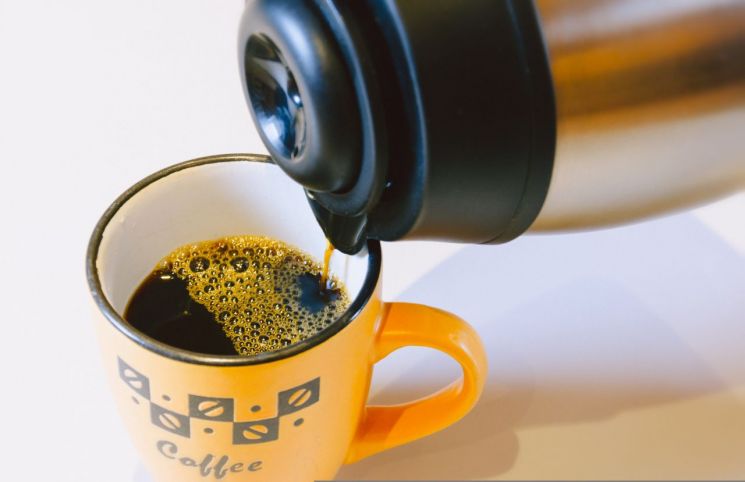
On January 19 (local time), Taiwanese broadcaster TVBS reported, "A man in his 50s in Taiwan was diagnosed with lead poisoning after drinking hot coffee from the same old thermos flask for decades. His health deteriorated rapidly, and he died within a year."
Severe Fatigue, Changes in Taste... Test Results Confirm 'Lead Poisoning'
According to the report, the man, a veteran driver with over 30 years of experience, suddenly became mentally disoriented on his way to work early one morning and crashed into a restaurant without being able to brake. Although he did not suffer major physical injuries, hospital tests revealed severe anemia, cerebral cortex atrophy, and impaired kidney function.
During the examination, the man complained, "I have recently been feeling extreme fatigue and have noticed changes in my sense of taste, with food tasting bland." The medical team suspected heavy metal poisoning based on his symptoms, and blood tests confirmed lead poisoning.
Use of Rusty Thermos Flask... "Can Damage Nervous System and Kidneys"
Further questioning about his lifestyle revealed that the man had been filling the same thermos flask with coffee almost every day and drinking from it throughout the day at work. He had reportedly used the same thermos for over 10 years, and the flask was found to be rusted, damaged, and even cracked on the inside.
Nephrologist Hong Yongxiang explained that storing hot coffee for extended periods in low-quality or old thermos flasks can cause metal components to leach into the beverage, which can result in serious damage to the nervous system and kidneys.
The man later developed symptoms similar to dementia, such as cognitive decline, and his cerebral cortex degeneration continued to worsen until he eventually passed away. Less than a year elapsed from the incident to his death.
"Do Not Store Soy Milk, Milk, Fruit Juice, etc. in Thermos Flasks for Long Periods"
Experts have identified six types of beverages that should not be stored in thermos flasks for extended periods: soy milk, milk, fruit juice, coffee, tea, and herbal medicine. High-protein beverages such as soy milk and milk pose a high risk of bacterial growth if not consumed within two hours, while acidic or alkaline beverages such as lemon water, carbonated drinks, herbal medicine, and certain teas can increase the risk of heavy metal leaching from old or damaged thermos flasks.
They also emphasized that if the inside of the thermos flask is discolored or rusted, shows scratches or cracks, or still smells after cleaning, it should be discontinued immediately. Thermos flasks are not meant to be used permanently, and regular replacement helps reduce the risk of heavy metal poisoning and kidney damage.
© The Asia Business Daily(www.asiae.co.kr). All rights reserved.

















