Alleviating the Burden from the Suspension of Obamacare Subsidies
On January 15 (local time), President Donald Trump of the United States announced the "Great Healthcare Plan," a healthcare reform proposal that includes providing health insurance subsidies directly to individuals and lowering the prices of prescription drugs. With high inflation emerging as the most pressing issue ahead of the midterm elections in November, this move appears to be aimed at alleviating the burden caused by the suspension of subsidies under Obamacare (the Affordable Care Act, ACA).
On this day, President Trump unveiled the plan through the White House YouTube channel, stating, "The government will stop paying subsidies to insurance companies and instead send that money directly to the people to lower their insurance premiums, thereby reducing your insurance costs."
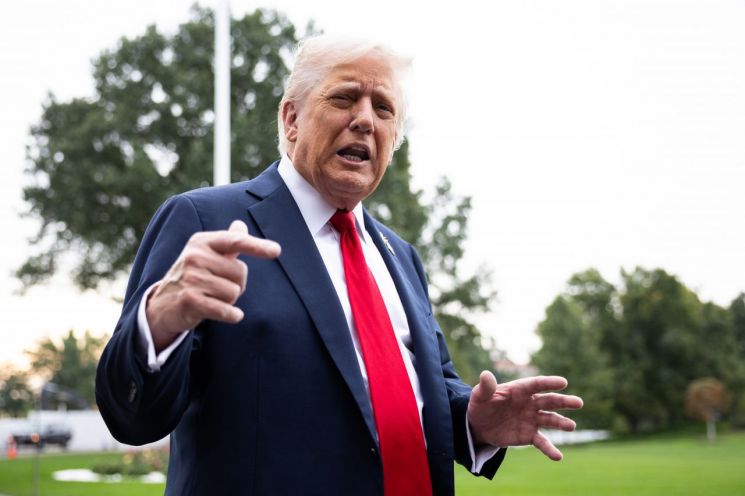
Regarding the existing "Obamacare," he criticized, "It was designed to make insurance companies rich," adding, "Billions of dollars in tax subsidies caused insurance company stock prices to soar by more than 1,700 percent, while in the meantime, the people had to pay higher premiums every year." He continued, "I intend to end this blatant fraud and deposit money directly into health savings accounts in your name."
As the expansion of Obamacare tax credits has expired and Congress has failed to reach an agreement, millions of Americans are now facing a sharp increase in insurance premiums. While Democrats have criticized Republicans for not extending the tax credits, President Trump has responded by presenting measures to alleviate the burden of high healthcare costs.
This healthcare reform plan envisions allowing Americans to choose their own health insurance, enabling them to receive better healthcare services at a lower cost. In addition, it calls for greater price transparency from insurance companies and healthcare providers, aiming to prevent special interest groups from profiting at the expense of the public.
President Trump stated, "I will order all insurance companies to disclose insurance premiums and coverage details in very clear and simple English," adding, "Insurance companies must also publicly release detailed information on how much of your money goes toward payouts and how much is kept as profit."
He also announced that the prices of many prescription drugs would drop by 80 to 90 percent. Previously, President Trump pressured global pharmaceutical companies with tariff measures, leading to a reduction in the prices of prescription drugs sold in the United States.
President Trump called on both the House and Senate, urging, "Pass this plan into law without delay," and emphasized, "It must be addressed right now to provide immediate support to the American people."
However, U.S. media outlets pointed out that, given the deep partisan divide, the likelihood of such measures passing quickly is low.
Experts note that, since details such as eligibility, payment amounts, and usage have not yet been released, it is difficult to assess the specific impact. However, there are concerns that if subsidies are provided directly rather than as vouchers, low-income individuals may prioritize other expenses over medical costs and may switch to insurance products with narrower coverage than before.
Gerard Anderson, Professor of Health Policy and Management at the Bloomberg School of Public Health at Johns Hopkins University, commented, "I don't think that's a good idea," pointing out that if the coverage amount is insufficient, young and healthy people will drop their insurance, leaving only older and sicker subscribers, which will lead to higher premiums.
© The Asia Business Daily(www.asiae.co.kr). All rights reserved.

















