"Combination of Simple Sugar and Saturated Fat May Cause Chronic Inflammation"
"Strict Portion Control Essential... Divide or Reduce Intake"
The "Dubai Chewy Cookie" (Dujjonku), which has become such a massive trend that it is frequently sold out, has raised concerns as it may lead to overeating and increase the risk of cardiovascular diseases, prompting calls for caution in its consumption.
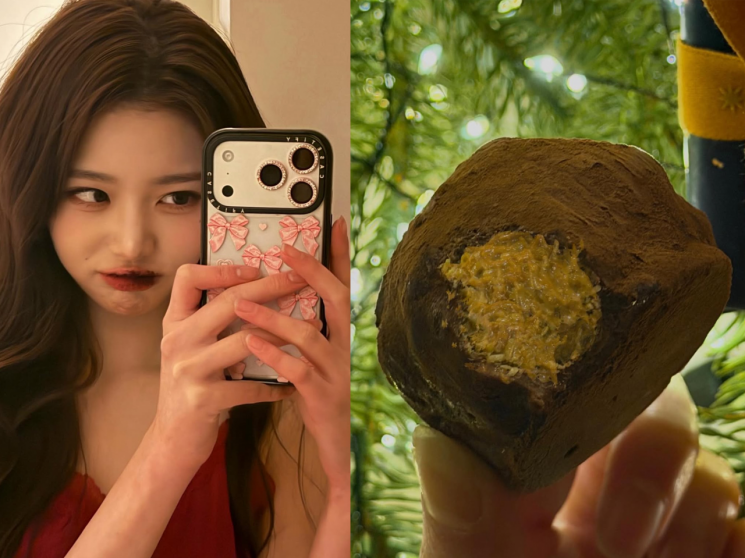 Recently, the 'Dubai Chewy Cookie,' which has rapidly spread and become a major trend mainly on social media, has attracted attention for its unique texture and appearance. Jang Wonyoung from the group IVE also endorsed this dessert. Jang Wonyoung SNS.
According to Yonhap News on January 15, Lee Yujeong, a professor in the Department of Family Medicine at Korea University Guro Hospital, explained, "The combination of sugar and fat stimulates the brain's reward center more strongly than the intake of a single nutrient, blocking the signal of leptin, the hormone responsible for satiety, and thereby inducing overeating."
Dujjonku is a food in which simple sugars and saturated fats are highly concentrated at the same time. Its key ingredients are kataifi, a thin Middle Eastern pastry, pistachio spread, and marshmallow. From a nutritional perspective, kataifi is a combination of refined carbohydrates and fat, as it is made from flour fried in oil, and it is combined with marshmallows and chocolate, both of which are primarily composed of sugar.
The physiological response to consuming this cookie is immediate. Refined sugar and marshmallow are absorbed very quickly, causing a rapid spike in blood glucose levels immediately after consumption. At the same time, the large amounts of dairy fat and frying oil present slow down the digestive process, prolonging the state of high blood sugar.
Professor Lee emphasized, "These characteristics not only force the pancreas, which produces insulin, to work excessively without rest, but also make the blood more viscous, thereby hindering circulation. This state causes chronic inflammation of the blood vessel walls and, as a result, directly increases the risk of cardiovascular diseases by narrowing or hardening the blood vessels."
The calorie content of a single Dujjonku ranges from 400 to 600 kcal depending on its size, which is 1.5 to 2 times the calories of a bowl of rice (about 300 kcal). Consuming just one provides approximately 25% of the recommended daily caloric intake for an adult woman.
Professor Lee stated, "Immediately after a meal, insulin levels are already elevated due to carbohydrate intake. If additional high-calorie sugar and fat are consumed at this time, they are first stored in the liver and abdominal organs as triglycerides. If this eating pattern is repeated, the risk of fatty liver increases as fat accumulates in liver cells, and the likelihood of developing metabolic syndrome also rises due to the accumulation of visceral fat."
She added, "The most recommended way to consume Dujjonku is to strictly control the portion size by dividing one cookie into four or more pieces to reduce the amount consumed at one time. Beverage choice is also important; instead of drinks containing liquid fructose or milk-based lattes, it is better to pair it with water, unsweetened tea, or an Americano."
© The Asia Business Daily(www.asiae.co.kr). All rights reserved.

















