Choi Yongseok, a 32-year-old office worker, has recently been frequenting specialty online stores that sell products nearing their expiration dates at discounted prices. Choi said, "There were products I always wanted to try, but the high prices made me hesitate. Here, I can buy them without any burden," adding, "I was initially worried about the short shelf life, but when I received the products, I found the expiration dates were more generous than I expected, so there was no inconvenience in using them."
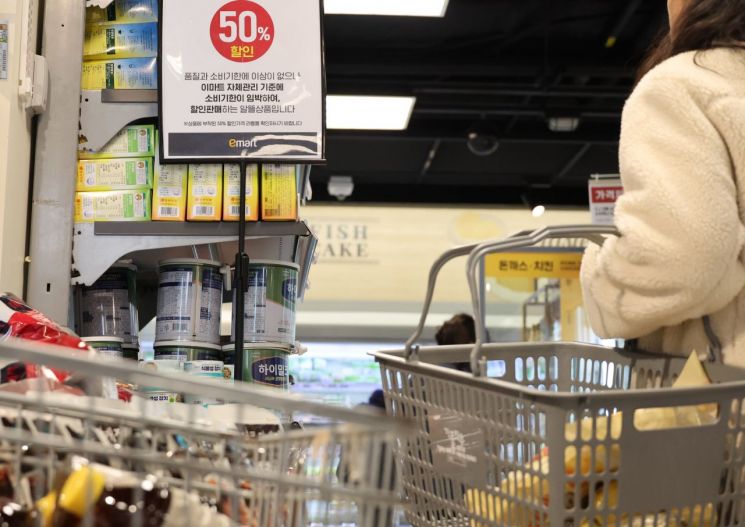
As the dual pressures of high inflation and a strong dollar have persisted for an extended period, consumers feeling the pinch of soaring grocery prices are turning their attention to so-called "imperfect products," such as items nearing their expiration dates or non-standard agricultural products.
According to Tteorimall, a specialty online store for overstock inventory, sales reached approximately 68 billion won (estimated) last year, up from 25.2 billion won in 2020. This represents more than a 2.5-fold increase over five years. As the shadow of economic downturn grows, more people are seeking cheaper products, fueling the consumption of overstock goods. Items returned due to simple change of mind, excess inventory, and unattractive produce are increasingly being recognized as value-for-money (cost-effective) options.
The fact that consumers are feeling the effects of relentlessly rising prices has contributed to the growing number of people seeking cheaper alternatives. Last year, the consumer price inflation rate was recorded at 2.1%, close to the Bank of Korea's inflation target of 2%. However, prices for food items such as livestock products (4.8%), seafood (5.9%), processed foods (3.6%), and dining out (3.1%) rose 1.5 to 2.8 times faster than the overall inflation rate.
Meanwhile, the average monthly real retail sales (excluding passenger cars) from January to November last year declined by 0.7% compared to the same period the previous year. Real indicators exclude the apparent increase caused by inflation, focusing only on actual consumption. Real retail sales have been declining for four consecutive years since 2022, marking the longest period of decline since related statistics began to be compiled. In this context, overstock products have actually gained popularity.
Lee Eunhee, a professor of consumer studies at Inha University, said, "As prices rise while wages remain stagnant, the demand for affordable alternative products will continue to increase." She added, "However, companies should not simply lower prices, but must also earn consumer trust through thorough quality control, as this is key to establishing themselves in the market."
© The Asia Business Daily(www.asiae.co.kr). All rights reserved.

















