New Compounds Discovered in Roasted Arabica Coffee
Similar Enzyme Inhibition as Diabetes Medication Confirmed

A recent study has found that drinking a cup of black coffee every day may be as effective as diabetes medication in controlling blood sugar levels. With the discovery that certain compounds in coffee act similarly to diabetes drugs, there is growing interest in coffee's effects on metabolic regulation.
Coffee Components Confirmed to Suppress Blood Sugar Spikes
On January 12 (local time), the UK’s Daily Mail reported, citing an international journal ‘Beverage Plant Research,’ that coffee has been found to help manage blood sugar in patients with type 2 diabetes.
The researchers conducted experiments comparing the effects of compounds extracted from roasted Arabica coffee with those of the existing diabetes medication acarbose. Acarbose is a widely prescribed drug worldwide that slows the breakdown of carbohydrates after meals, thereby preventing sharp increases in blood sugar.
The analysis revealed that certain compounds in coffee, like acarbose, inhibit the activity of enzymes involved in carbohydrate digestion. The researchers identified three new compounds that block alpha-glucosidase through a three-step purification process, naming them ‘Cafaldehyde A, B, and C.’ Alpha-glucosidase is a key enzyme that breaks down carbohydrates into glucose, and inhibiting its activity slows the rise in blood sugar after meals. This mechanism is identical to the main action of diabetes medications.
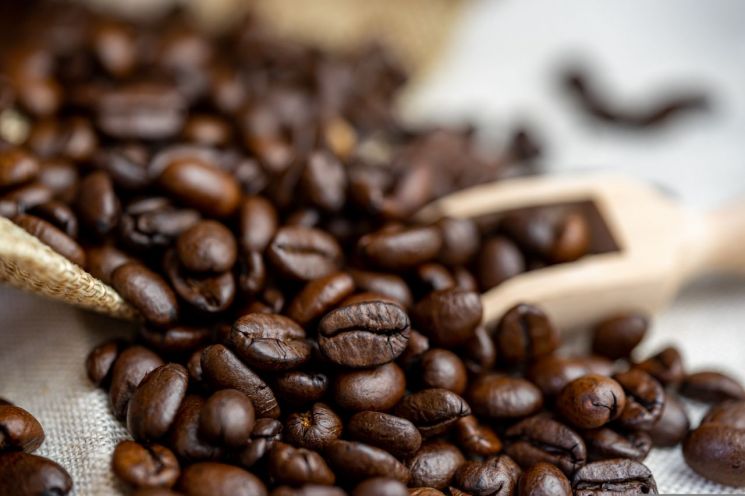
"Explaining the Link Between Coffee and Reduced Diabetes Risk"
The researchers evaluated that this discovery could provide a biochemical clue explaining the association between coffee and a reduced risk of diabetes. In fact, multiple large-scale epidemiological studies have repeatedly reported that higher coffee consumption is associated with a lower risk of developing type 2 diabetes.
Some studies have found that the risk decreases with each additional cup of coffee consumed per day, with the most pronounced effect observed at three to five cups a day. However, the researchers clarified that these results are based on black coffee without added sugar, syrup, or cream.
Experts emphasized, “This study shows that the bioactive components in coffee may play an important role in blood sugar regulation, but further clinical research is needed before it can replace diabetes medications,” adding, “Medication and lifestyle management should remain the foundation of diabetes care.”
© The Asia Business Daily(www.asiae.co.kr). All rights reserved.


















