Different Uric Acid Responses to the Same Amount of Alcohol by Gender
Mixing Multiple Types of Alcohol Raises Uric Acid Levels Even More
A study has found that even when consuming the same amount of alcohol, the impact on serum uric acid levels varies depending on gender, type of alcohol, and drinking patterns. In particular, soju consumption in men and beer consumption in women were more closely associated with increased uric acid levels. Additionally, mixing different types of alcohol tended to raise uric acid levels in both men and women.
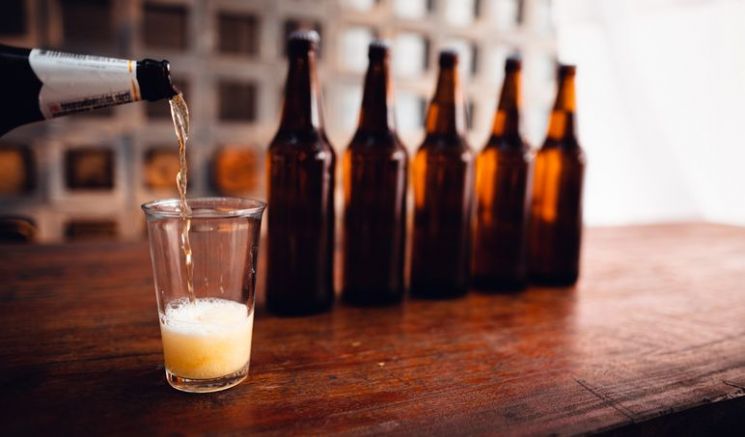 A study has found that even when consuming the same amount of alcohol, the impact on serum uric acid levels varies depending on gender, type of alcohol, and drinking patterns. Photo by Getty Images
According to Samsung Seoul Hospital on January 14, a joint research team consisting of Professor Kang Mira from the Health and Medical Center, Professor Kim Kyunga and Dr. Hong Sungjun from the Medical Statistics Center, and Professor Ahn Jungkyung from the Department of Rheumatology at Kangbuk Samsung Hospital, published these findings in a recent issue of the Journal of Korean Medical Science.
Analysis of Uric Acid Impact Using 'Korean-Style Drinking Patterns' Including Soju
This study was conducted on 17,011 adults aged 18 or older who underwent health checkups at Samsung Seoul Hospital between January 2011 and June 2016. Serum uric acid levels are a key factor in the development of gout, and alcohol consumption is known to affect both the production and excretion of uric acid, thereby increasing the risk of gout.
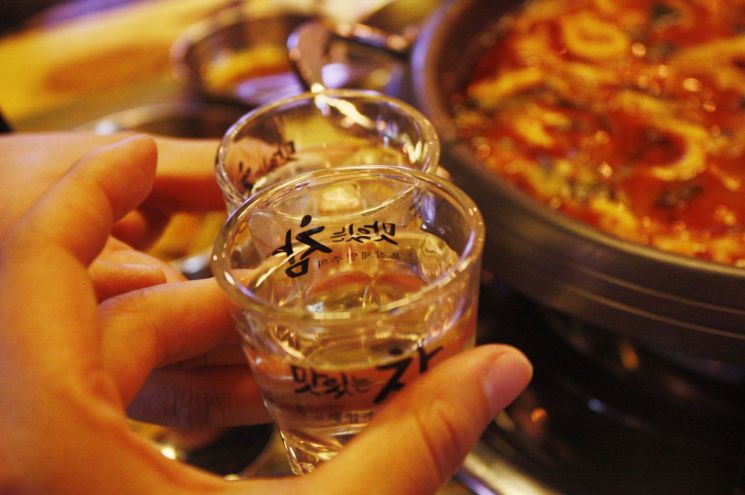
The research team noted that previous studies, which were mostly Western-centric, did not adequately reflect Korean drinking and dietary culture. Therefore, they incorporated 'Korean-style drinking patterns'-including soju-into their analysis. Alcohol intake was standardized to one standard drink, defined as 8 grams of ethanol, and divided into six categories from abstinence to heavy and binge drinking to analyze the association with uric acid levels. One standard drink was defined as 220 mL of beer (4.5% ABV), 50 mL of soju (20% ABV), or 85 mL of wine (12% ABV).
Soju for Men, Beer for Women... Gender Differences in Uric Acid Increase
The analysis showed that for soju, beer, and wine, serum uric acid levels tended to rise as alcohol consumption increased. However, the type of alcohol most strongly associated with increased uric acid differed by gender. In men, soju consumption had the greatest impact on uric acid increase, and even low consumption-just 0.5 standard drinks of soju per day-showed a tendency to raise uric acid levels. In contrast, in women, beer consumption was most closely linked to increased uric acid levels.
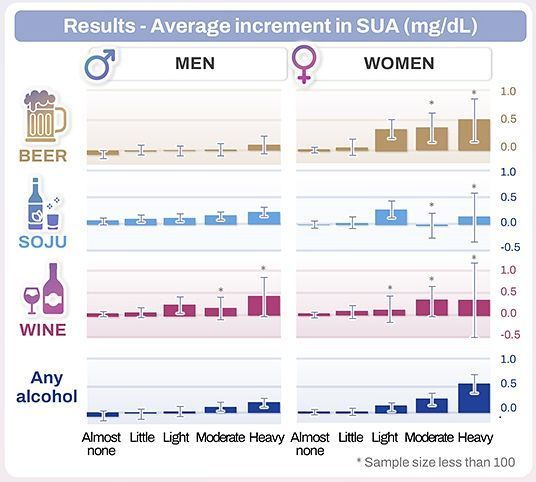
When mixing different types of alcohol, both men and women showed a tendency for higher uric acid levels. Professor Kim Kyunga explained, "Since Koreans often mix various types of alcohol, such as in 'bomb drinks,' we paid special attention to separating the effects of total alcohol consumption and the type of alcohol consumed in our analysis."
The research team also found differences in the types of foods consumed with different types of alcohol. Men tended to prefer high-protein foods when drinking soju or mixing several types of alcohol, while women who mainly drank beer also consumed more high-protein foods.
Additionally, the effect of improving drinking habits on uric acid control varied depending on obesity status. Among those who were not obese (BMI less than 25 kg/m²), the benefits of moderating alcohol consumption were relatively clear. However, among obese individuals (BMI 25 kg/m² or higher), the effect of obesity itself on increasing uric acid was so significant that the impact of alcohol consumption could be relatively masked.
Professor Kang Mira stated, "This study is meaningful in that it provided data on how unique Korean combinations of alcohol and food affect uric acid levels, rather than just focusing on the amount of alcohol consumed. For obese patients with hyperuricemia, it is important to address both weight control and drinking habits at the same time."
© The Asia Business Daily(www.asiae.co.kr). All rights reserved.



















