Publication of the Fourth Volume in the National Folk Museum of Korea Diary Collection Series
The National Folk Museum of Korea announced on January 14 that it has published the fourth volume of its diary collection series, titled 'Funeral Rites and Ancestral Rites Diary,' which documents the entire process of funeral rites during the late Joseon Dynasty.
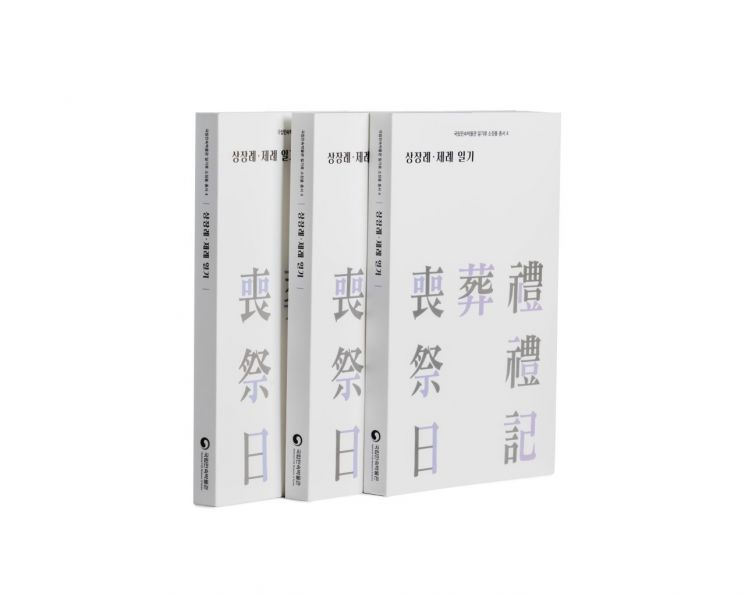
This volume is a compilation of eight selected diaries related to funeral and ancestral rites, written by members of the yangban class in the 18th and 19th centuries as they bid farewell to their parents and ancestors. The diaries have been transcribed and translated, and high-resolution facsimile images are included. Notably, this is the first time since the project began in 2022 that the diary collection series has been organized around a specific theme, making it particularly meaningful as a 'thematic diary' volume.
The 'Funeral Rites and Ancestral Rites Diary' provides detailed records of various practices honoring ancestors, including the entire funeral process from the initial summoning of the spirit to the end of mourning, the management of ancestral rites, and the reopening of graves. It also includes information on the expenses, supplies, mobilization of personnel, and lists of condolence visitors, illustrating that funeral rites were not merely personal affairs but social processes carried out by families, clans, and local communities together.
The representative document, 'Manggeukrok,' is a record left by a son who observed a three-year mourning period for his mother. It candidly details the difficulties faced in adhering to ritual protocols and the economic burdens involved. Additionally, the funeral diary from the Papyeong Yun clan of Geumsan, Chungcheongnam-do, documents the process of transporting a deceased family member from Seoul to their hometown for burial, providing insight into the funeral culture and human networks of yangban families in the mid-19th century.
The National Folk Museum of Korea expects that this volume will prompt reflection on filial piety, remembrance, and the meaning of community amid changing funeral customs. The museum also emphasized its academic value as a foundational resource for various fields, including folklore, history, and social history research.
The 'Funeral Rites and Ancestral Rites Diary' is available for free download to everyone through the National Folk Museum of Korea website.
© The Asia Business Daily(www.asiae.co.kr). All rights reserved.

















