Space Isu Special Exhibition Runs Until March 20
Questioning Sensation Beyond the Visual
Intervening in Space with Sound, Vibration, and Image
"We designed this exhibition to break away from the typical aspects of traditional art, so that even those unfamiliar with art can experience it physically and sensorially."
At the press conference for the special exhibition "VHS (Very High Signals)" held on January 13 at Space Isu, the cultural and artistic venue of Isu Group located in Seocho-gu, Seoul, curator Jeon Hyokyung introduced the exhibition with these words. The gallery is situated on the first floor of the Isu Group headquarters. Since 2020, the venue has hosted a variety of exhibitions to foster open-mindedness among employees, many of whom have backgrounds in science and engineering. Rather than imposing art, the intention is to expose employees to it subtly, allowing it to permeate gradually. The title of the exhibition, "VHS (Very High Signals)," reflects this concept. Like faint high-frequency signals, the exhibition aims to act as a kind of signal within the space. Curator Jeon explained, "While the works do not stand out excessively, I wanted them to be perceived differently nonetheless."
The exhibition prompts us to reconsider the issue of visuality in a world filled with countless "things to see." Rather than clearly indicating what to look at, it erases focal points, leading visitors into moments of "nowhere to gaze."
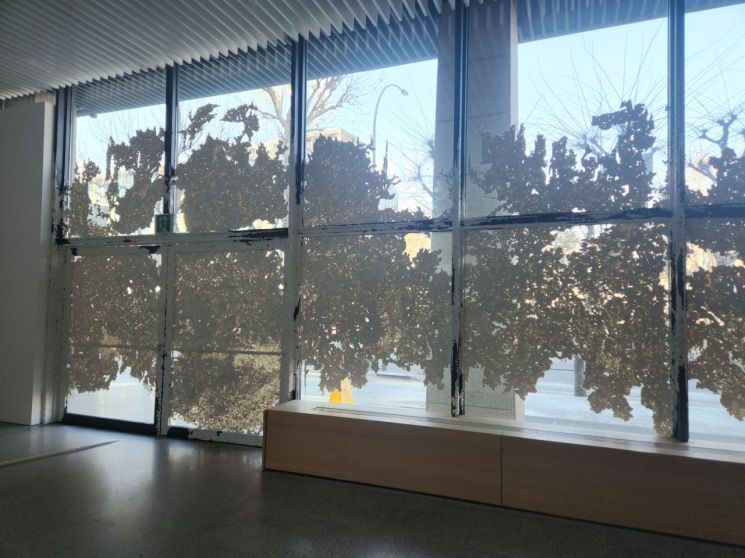
"Jinjiba" (2026) by Choi Sunah (age 27) is installed on a 14-meter-long glass wall in the lobby, featuring clay (Sculpey) hand-pressed onto the surface. Making use of the clay's natural stickiness, the artist completed the work over three weeks, pressing each piece by hand. Instead of foregrounding special symbols or explicit meanings, the work draws attention with the unique beauty created by the changing surfaces under sunlight at different times of day.
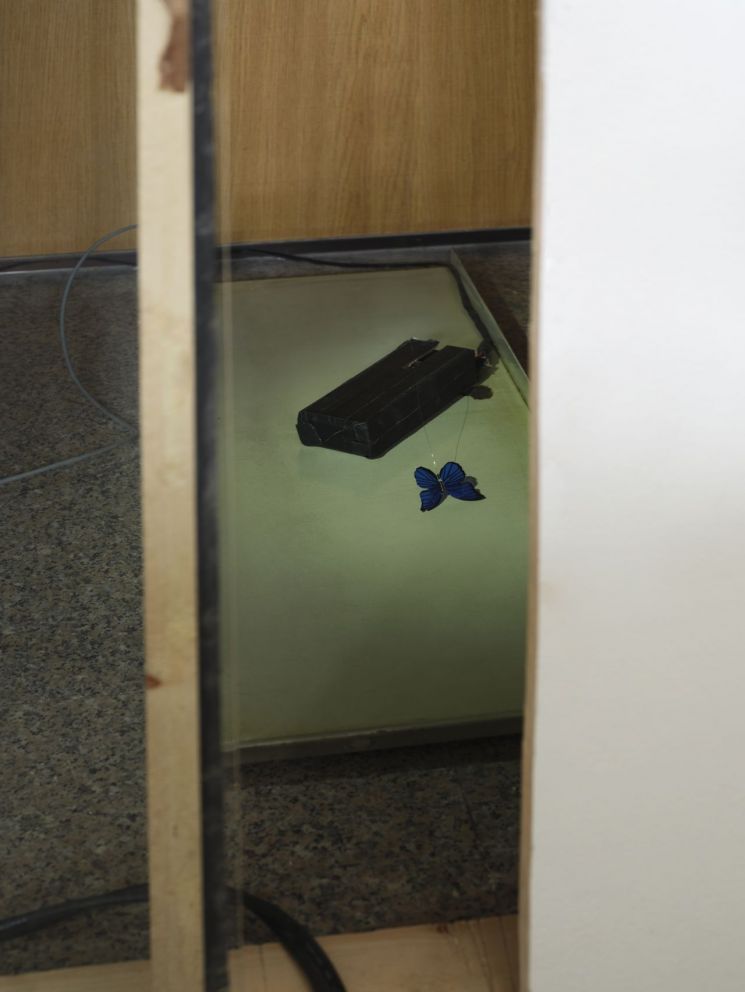
"Music Siren" (2026) by Hong Aerin (age 34) was inspired by a product name from Yamaha in the 1950s. It is a device that creates harmony by driving multiple siren units with a single motor. At the time, the president of Yamaha conceived the idea to transform the intense sound of warning sirens into a melody, producing sounds that villagers could appreciate. After the atomic bombings of Hiroshima and Nagasaki in 1945, the sound of sirens in Japanese society became a reminder of fear and terror. "Music Siren" attempts to reinterpret these memories of war through a different sensory experience, delivering the realization that, although the amplified sound seems to become something grand, it ultimately reveals itself to be nothing at all.
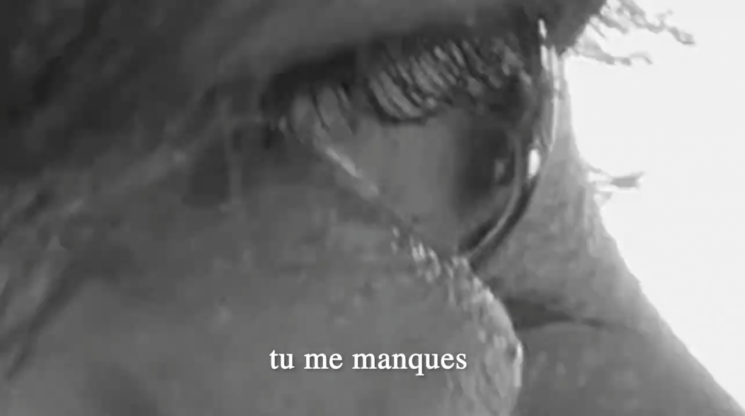
"Papillon" (2025-2026) by Ko Daeyoung (age 33) uses artificial intelligence (AI) technology to magnify videos of people around the artist, shot in the past, by 80 to 100 times. AI compensates for the loss of image quality that typically occurs during enlargement, creating an unfamiliar visual texture. The artist expands the project by sending these silent videos to friends and asking them to respond with sound. This exchange continues as a performance throughout the exhibition period. The sound contributions by Lee Minhwi and Choi Taehyun will be performed live for the first time on January 17, and the recorded audio will subsequently be played in the exhibition space alongside the video. This approach is reminiscent of silent film screenings, where live music was performed in front of the screen.
The exhibition runs until March 20.
© The Asia Business Daily(www.asiae.co.kr). All rights reserved.



















