Rial Plunge Deepens Inflation
Oil Price Drop Triggered by Russia
Iran's Oil Export Losses Grow
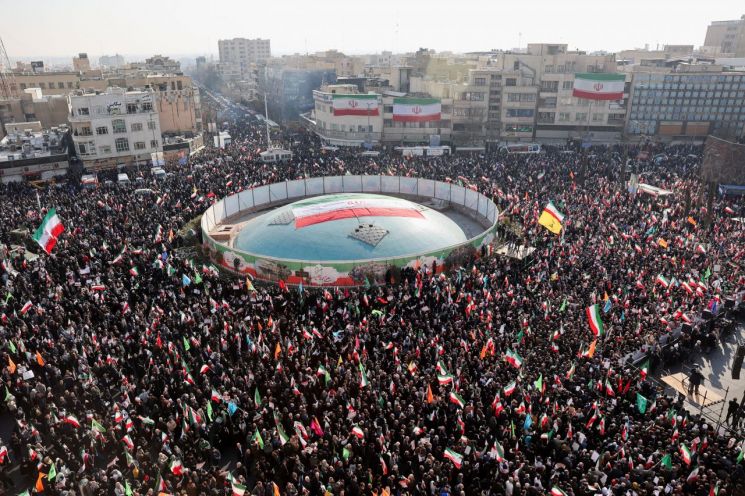
The sharp decline in the exchange rate is being cited as a key cause of the large-scale anti-government protests that have erupted in Iran. The value of Iran's official currency, the rial, has plummeted to one-fifth of its value over the past three years, causing import prices to soar. As a result, citizens who can no longer endure the rising cost of living have taken to the streets. Some analysts also point to the worsening Iranian economy, which has been hit hard by continued U.S. economic sanctions and mounting oil export losses following a steep drop in oil prices. With the possibility of U.S. intervention now being raised, it is expected that Iran's economic crisis and political instability will reach their peak.
Exchange Rate Plunge Deepens Inflation...Food Prices Soar by 72%
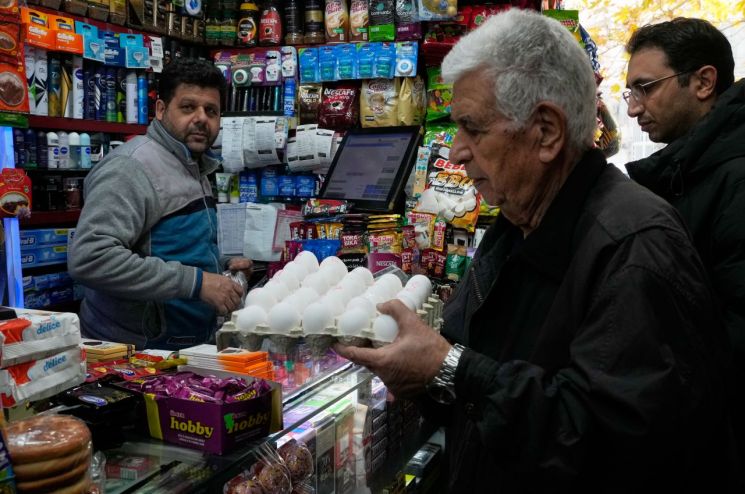 On the 6th (local time), an Iranian citizen is seen buying eggs at a grocery store in Tehran. Photo by AP Yonhap News
According to Bloomberg News, the Iranian rial's exchange rate soared to 1.47 million rials per dollar earlier this month, marking an all-time low for the currency's value. The Iranian government had fixed the exchange rate at 42,000 rials per dollar since 2018, but after abolishing the fixed exchange rate system in 2022, the rate jumped to 285,000 rials per dollar. In just three years since then, the rial's value has collapsed to one-fifth of its previous level.
The rapid depreciation of the rial has driven up import prices, causing the cost of daily necessities to surge across the board. Last month, Iran's consumer price index rose by 42.2% year-on-year, with food prices-including dairy, beverages, and bread-skyrocketing by 72% compared to the previous year. As soaring prices sharply curtailed consumption, merchants in Tehran began closing their shops and launched large-scale anti-government protests starting on the 28th of last month.
The Iranian government announced a conciliatory measure to provide a $7 monthly living allowance to help citizens purchase daily necessities, but the protests have continued to spread nationwide. The government's announcement that it would raise taxes starting in March, citing reasons such as a lack of tax revenue, worsening fiscal conditions, and the need to fund the living allowance, has only fueled public anger.
Oil Price Drop Triggered by Russia...Iran Lost 7 Trillion Won in Oil Exports Last Year
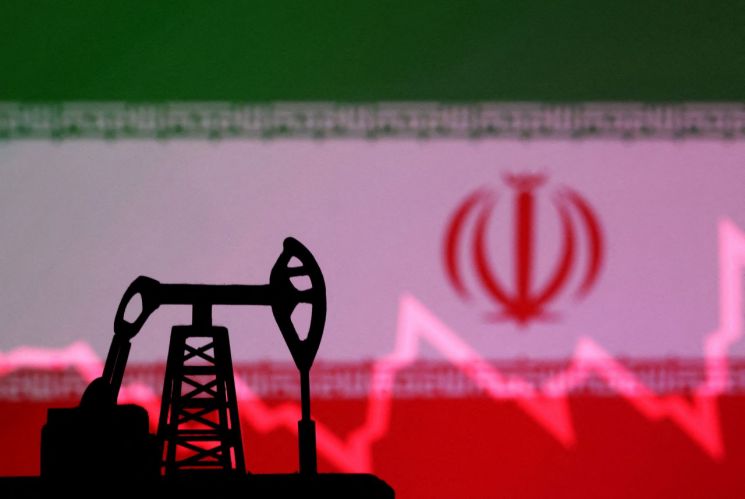
Another factor exacerbating Iran's economic crisis is the decline in the price of oil, its main export. International oil prices, which hovered in the $90 range in 2023, fell to the $50 range at the end of last year. In addition, Russia began selling oil at prices far below market rates after the outbreak of the war in Ukraine, significantly increasing Iran's oil export losses.
According to the French media outlet Euronews, "Iran's oil export earnings last year were estimated at $23.2 billion (about 34 trillion won), with most of the exports going to China to evade U.S. sanctions. However, after the war in Ukraine, Russia began offering oil at prices more than 30% below market rates, sparking a price war. As a result, Iran was forced to sell oil at lower prices, ultimately incurring losses of about $5 billion (approximately 7.365 trillion won)."
Despite continued oil exports, Iran's economy continues to deteriorate. According to energy analytics firm Kpler, Iran's average daily crude oil shipments in 2025 reached 2.13 million barrels, the highest level in seven years since 2018. In contrast, per capita gross domestic product (GDP) continues to decline. World Bank data shows that Iran's per capita GDP was $5,778 last year, having decreased by an average of 0.6% per year since 2015. The proportion of Iranians living in poverty has also risen from 20% in 2015 to 28% last year.
Trump Pressures: "25% Tariff on Transactions with Iran"...Possible Military Intervention Expected
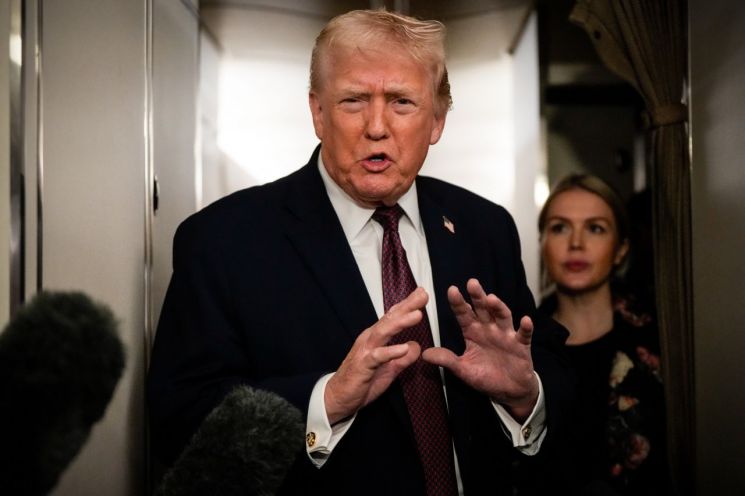
Amid these developments, the U.S. government has also signaled its intention to intervene, raising expectations that Iran's economic crisis and political instability will become even more severe. The U.S. government is applying additional economic sanctions and diplomatic pressure on the Iranian government, while making it clear that military intervention remains an option if necessary.
On the 12th, U.S. President Donald Trump stated on his social networking service Truth Social, "Any country that does business with Iran will be subject to a 25% tariff on all transactions with the United States," adding, "This takes effect immediately. This order is final and definitive." In other words, countries engaged in oil transactions with Iran will face secondary sanctions (a secondary boycott).
The U.S. government has also indicated that it is leaving the door open to military intervention should the protests in Iran intensify and result in a significant increase in casualties. White House spokesperson Caroline Leavitt stated at a press briefing on the 12th, "President Trump always prioritizes diplomacy as the first option," but added, "Airstrikes are among the many options President Trump, as commander-in-chief, can use in negotiations with Iran."
© The Asia Business Daily(www.asiae.co.kr). All rights reserved.

![User Who Sold Erroneously Deposited Bitcoins to Repay Debt and Fund Entertainment... What Did the Supreme Court Decide in 2021? [Legal Issue Check]](https://cwcontent.asiae.co.kr/asiaresize/183/2026020910431234020_1770601391.png)
















