Professor Lee Uk’s “A Study on Jongmyo during the Japanese Colonial Period”
“Serial Numbers Assigned to Ritual Vessels, Japanese Names Imposed”
The Chilling Underside of Modern Administration
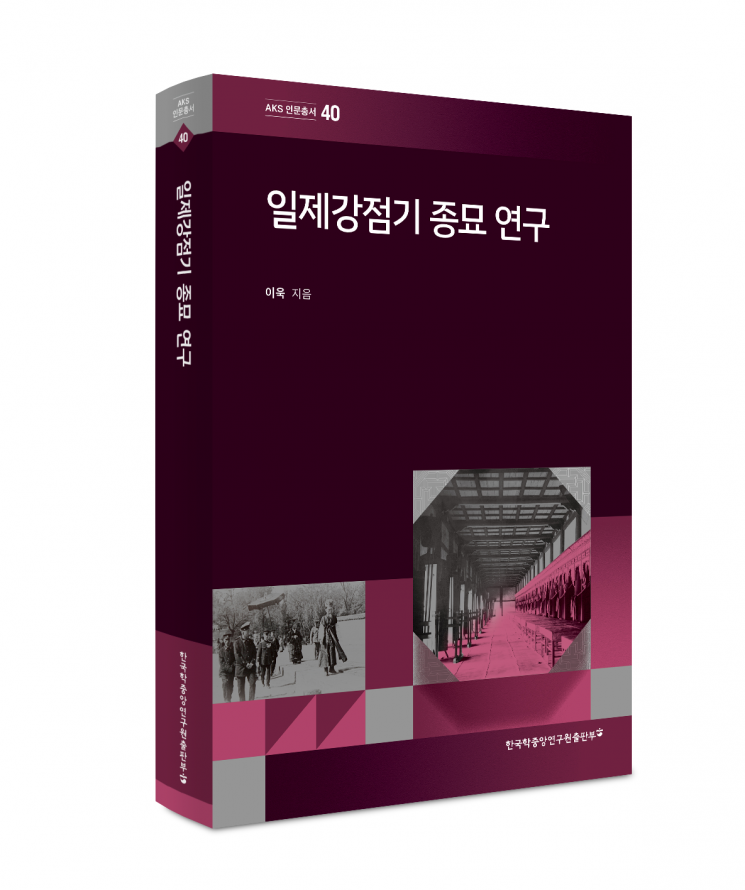
The nation collapsed and the dynasty disappeared, but the royal ancestral shrine, Jongmyo, survived. What form did the heart of Joseon take under the harsh colonial regime?
"A Study of Jongmyo during the Japanese Colonial Period," written by Lee Uk, a research professor at the Kyujanggak Institute for Korean Studies at Seoul National University, delves into this fundamental question. By analyzing a vast trove of records from the Yi Royal Household Office-the agency responsible for royal affairs during the colonial era-over three years, the author reconstructs the true face of Jongmyo, hidden behind the simplistic terms of rupture and destruction.
The most essential change observed by the author is the decline in status. As the imperial family of the Korean Empire was demoted to the House of Yi, the grand state rites, once held to pray for the nation's well-being, were reduced to private ancestral rituals for a single family. Through the 1908 revision of the sacrificial rites and the forced annexation in 1910, Joseon's strict Confucian ceremonial protocols were incorporated into the administrative regulations of the Yi Royal Household Office, a subordinate institution under the Japanese emperor. Sacred rituals honoring the spirits were thus degraded into mere administrative work.
The process by which a modern management system encroached upon this sacred domain is vividly revealed in historical records. The inventory ledgers analyzed by the author are striking. The ritual vessels and objects of Jongmyo were listed in the ledgers using Japanese katakana pronunciations. Instead of their original names, generic terms such as "baketsu" (bucket), "matchi" (matches), and "inki" (ink) were used, and serial numbers were assigned for efficient control. This chilling evidence demonstrates how colonial modernity, prioritizing standardization and efficiency, dismantled and reorganized the sanctity of Jongmyo.
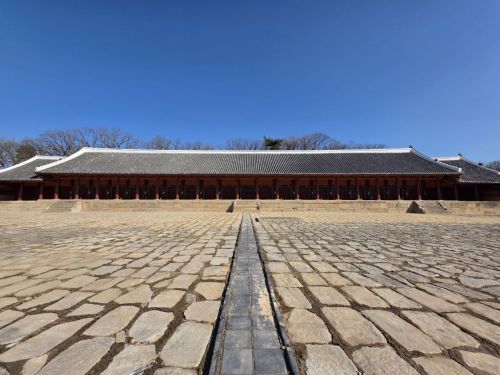
The author does not portray Jongmyo merely as a trampled space. Within its walls were people who filled the gaps in the system and continued their lives. For lower-level staff such as the jeonsa (ritual officials) and subok (attendants) who remained after the departure of the main ritual officiants, Jongmyo was still a sacred space and a place of livelihood. An intriguing detail is the coexistence of the "Shrine of King Gongmin of Goryeo" within the Confucian hierarchy of the shrine's grounds. These lower-level employees managed this heterogenous space, infused with elements of folk belief, separately from the official Yi Royal Household Office system. Even under the watchful eye of colonial authorities, the dynamism of popular beliefs continued to stir.
The book also captures the bitter scenes of Japanese-style rituals infiltrating the state funerals of Emperor Gojong and Emperor Sunjong, and of security drills being conducted at Jongmyo. It highlights the peculiar "hybridity" born from the collision and compromise between Japanese modern institutions and Joseon traditions. Drawn from the dry administrative documents of the Yi Royal Household Office, this is the most honest and multi-dimensional portrait of a lost dynasty.
© The Asia Business Daily(www.asiae.co.kr). All rights reserved.


















