Proactive Thinning Completed Across 205 Hectares
Intensive Removal Efforts Continue Through Spring
Breaking the Cycle of Recurrence with Tree Species Conversion
Andong City has shifted its paradigm in controlling the rapidly spreading pine wilt disease.
Moving beyond the previous approach of merely removing individual dead trees, the city has launched a multi-dimensional strategy that directly adjusts forest structure. This comprehensive blockade aims to achieve both short-term containment and medium- to long-term prevention simultaneously.
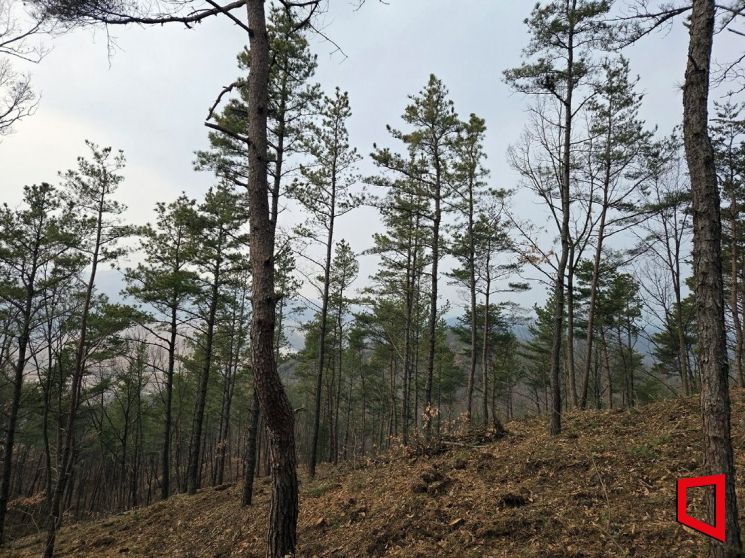
The city has proactively completed a thinning-style control project across 205 hectares, focusing on areas at high risk of infection. By preemptively removing pine trees highly susceptible to infection, the city structurally blocks the habitat and movement routes of the vector insects, effectively cutting off the "pathways" for the disease to spread.
Additionally, until April, the city will simultaneously remove dead trees and administer preventive tree injections. These measures are intended to reduce the risk of infection among remaining pine trees and minimize the possibility of re-spread. The city plans to subdivide the targets and timing of control efforts to reduce operational gaps and strengthen on-site inspections.
Medium- and long-term measures will also be implemented. The city will continuously review areas targeted for tree species conversion throughout the year and will gradually replace tree species, especially in zones with repeated outbreaks or low management efficiency. The strategy is to enhance forest resilience by introducing disease-resistant species, thereby breaking the structural cycle of pine wilt disease recurrence.
A city official stated, "Pine wilt disease is both a race against time and a structural battle. We will organically combine proactive thinning, prevention, and species conversion to minimize damage and focus our administrative capacity on restoring a healthy forest ecosystem."
Responding to pine wilt disease is no longer just about cutting down more trees. Andong City's latest control efforts mark a shift from simply treating infected trees to restructuring the forest itself. To ensure results go beyond short-term achievements, the key will be maintaining rigorous on-site inspections and sustaining the pace of species conversion through to completion.
© The Asia Business Daily(www.asiae.co.kr). All rights reserved.
![Clutching a Stolen Dior Bag, Saying "I Hate Being Poor but Real"... The Grotesque Con of a "Human Knockoff" [Slate]](https://cwcontent.asiae.co.kr/asiaresize/183/2026021902243444107_1771435474.jpg)
















