U.S. Withdraws from 66 International Organizations, Considers Incorporating Greenland
France and Germany Strongly Criticize the Trump Administration
There has been mounting criticism from the international community, including Europe, regarding the recent diplomatic actions of U.S. President Donald Trump and the White House. Concerns are growing that the United States is departing from the multilateral order it has led since World War II, as evidenced by military operations in Venezuela, large-scale withdrawals from international organizations, and proposals to incorporate Greenland, a Danish territory, into the United States.
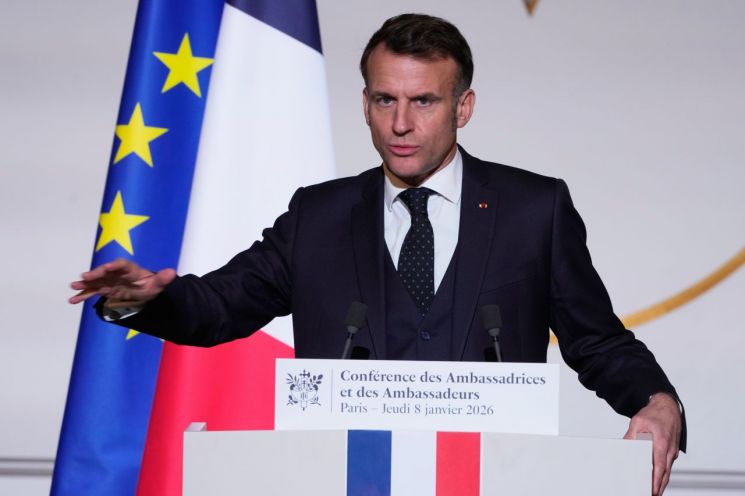
On January 8, Yonhap News, citing foreign media such as the Associated Press, reported that French President Emmanuel Macron, in his New Year’s address to French ambassadors stationed abroad, criticized the United States for “turning its back on some allies and abandoning the international norms it once led.” Commenting on the current state of international affairs, he warned, “Neo-colonial aggression and the law of the strong are reemerging,” and added, “The international organizations that have supported multilateralism are increasingly losing their function.”
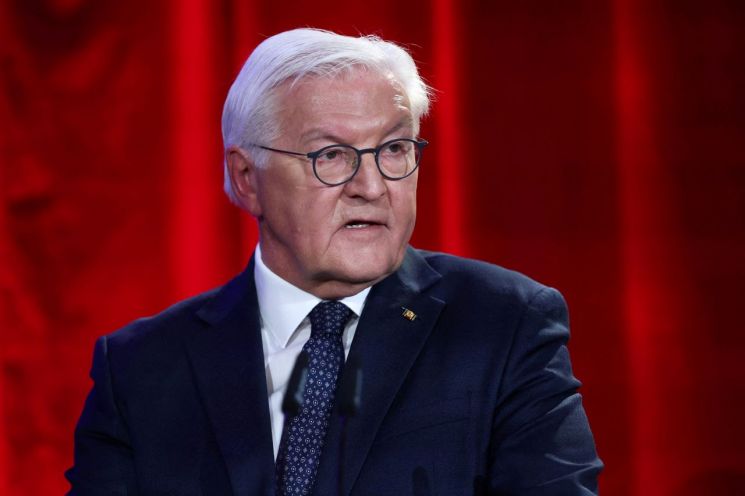
German President Frank-Walter Steinmeier also directly targeted the Trump administration’s foreign policy in a symposium speech the previous day. He stated, “We have already passed the point where international law is respected and the international order is collapsing,” and emphasized, “We must prevent the world from turning into a den of thieves, treated as the property of a handful of powerful countries.” He specifically cited “the collapse of values by our most important partner, the United States,” along with Russia’s invasion of Ukraine, as causes of these changes. Although the German presidency is largely symbolic and holds little real power, the president’s remarks still carry weight in political circles.
The U.S. Withdraws from the Post-WWII System It Once Led...Further Withdrawals Suggested
Such criticism is closely linked to a series of recent decisions by the Trump administration. On January 7, President Trump signed a memorandum to withdraw from a total of 66 international organizations, including United Nations agencies such as the United Nations Framework Convention on Climate Change (UNFCCC) and the United Nations Conference on Trade and Development (UNCTAD), as well as non-UN international organizations. The White House stated that it would “focus on the 'America First' agenda by leaving organizations that undermine U.S. independence and waste taxpayers’ money.” The international community criticized this move as a fundamental blow to the multilateral system. There are also concerns that if the U.S. vacates its role in providing global public goods-such as climate change response, immigration, and support for developing countries-international instability could actually increase.
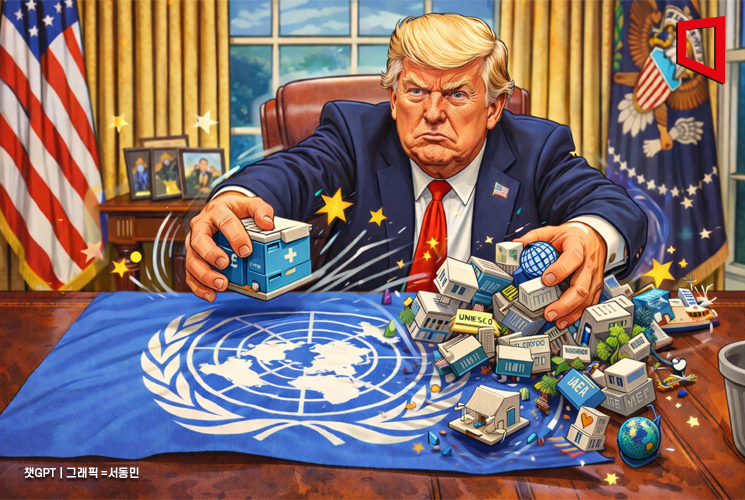 Since its launch in January last year, the Trump administration has been breaking down existing frameworks not only in the fields of international trade and security but also in international cooperation. In particular, the decision to sign a memorandum to withdraw from a total of 66 international organizations is analyzed as a reflection of Trump's expansionist policy. The Asia Business Daily
Furthermore, controversy has intensified after it was revealed that the Trump administration even considered directly paying cash to residents to incorporate Greenland, a Danish territory, into the United States. The U.S. has emphasized Greenland’s strategic value and the need to secure its resources, but both Denmark and Greenland’s autonomous government have strongly objected, stating, “Greenland is not for sale.”
In response, the seven major European countries-France, Germany, the United Kingdom, Italy, Poland, Spain, and Denmark-issued a joint statement dismissing the possibility of U.S. intervention, declaring, “The status and future of Greenland are matters to be decided solely by Greenland and Denmark.” They also pointed out that even discussing the territorial sovereignty of a NATO ally is inappropriate. Furthermore, European leaders have repeatedly stressed the need for a joint response, emphasizing, “In such a world, Europe may become the last bastion for upholding multilateralism and international law.”
© The Asia Business Daily(www.asiae.co.kr). All rights reserved.



















