A Half-Century Journey Through Lee Jongsu’s Ceramic World Mediated by Clay and Fire
Reinterpreting Lee Jongsu’s Artistic Philosophy Through the Keywords of Non-Intentionality, Staying, and Variation
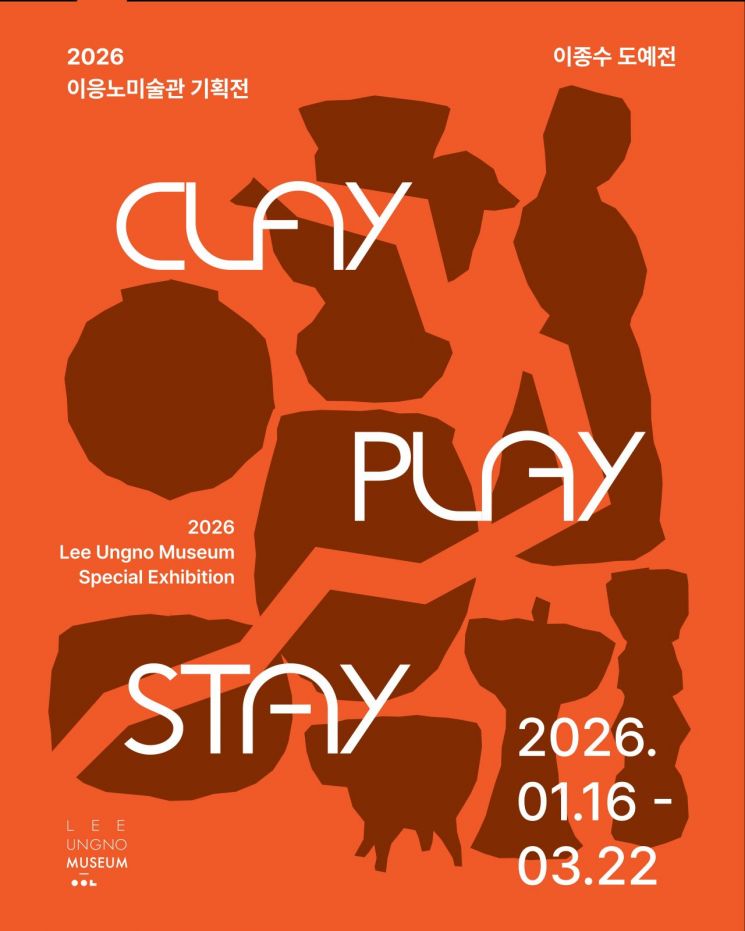
The Lee Ungno Museum, operated by the Daejeon Goam Art and Culture Foundation (Director: Lee Gapjae), will open its 2026 special exhibition, "Lee Jongsu - Clay, Play, Stay," on January 16.
This retrospective exhibition highlights the world of ceramic artist Lee Jongsu (1935-2008), who played a pivotal role in shaping and advancing contemporary Korean ceramics. It is organized around the core themes of clay and fire, time and patience.
Throughout his life, Lee Jongsu was deeply committed to the fundamental materials of clay and fire. Through the soil and climate of his region, as well as his repeated production processes, he developed his own unique sculptural language.
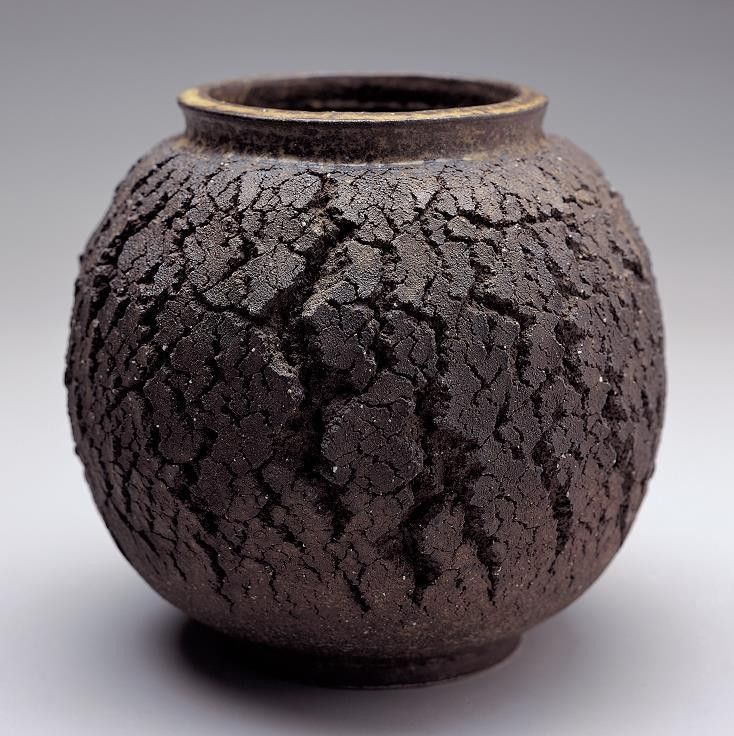
His ceramics are not so much about technical achievement aimed at perfect forms, but rather about an attitude of observing the states and changes that emerge from the interplay of material and process. The flow of glaze, transformations during firing, and the cracks and blurring on the surface are not uncontrolled accidents, but rather essential elements that define the nature of his works.
The exhibition is divided into three galleries. The second gallery focuses on "the action of fire and the aesthetics of non-intentionality," exploring Lee Jongsu’s commitment to the use of climbing kilns and wood firing.
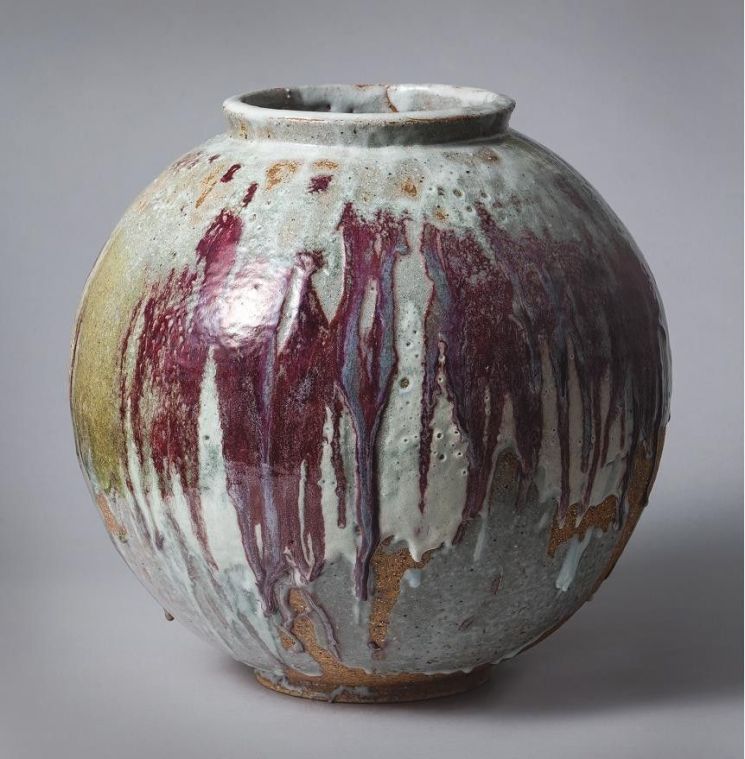
In particular, the results of each firing-occurring as a unique event inside the kiln-reveal that his ceramics are records of time, holding memories of the process.
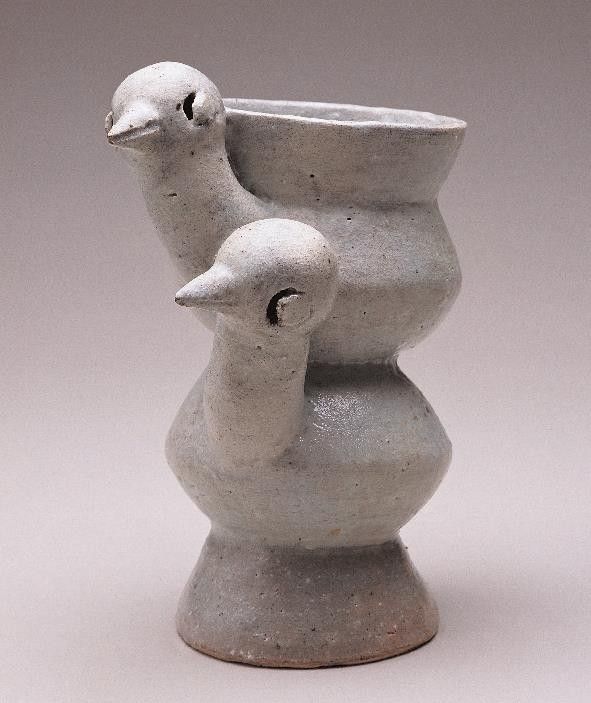
The third gallery highlights the aesthetics of humor and variation. Subtle deviations from perfect symmetry or normative proportions, as well as the differences that arise through repetition, demonstrate the flexibility and human warmth inherent in his ceramics. This expands into an artistic attitude that affirms the imperfection of life, going beyond solemn sculptural language.
The final gallery addresses the point of resonance between the artistic worlds of Lee Ungno and Lee Jongsu, transcending their respective mediums. Despite working with different materials-ink and paper, clay and fire-both artists viewed nature not as something to be controlled, but as a field where energy and rhythm flow. Their works share a profound similarity in that form is not the result of a predetermined plan, but rather the accumulated outcome of material and action over time.
The exhibition title, "Clay, Play, Stay," succinctly encapsulates Lee Jongsu’s artistic world. "Clay" refers to the earth that is the foundation of his art; "Play" signifies the ongoing process of exploration through hands, time, and the rhythm of fire; and "Stay" represents the layers of sensation left on the surface and form by the accumulated passage of time.
This exhibition is especially meaningful as it precedes the groundbreaking of the "Lee Jongsu Ceramic Art Center" in Daejeon this year, serving as a new starting point for revisiting his sculptural language, which was shaped by the region’s soil and climate.
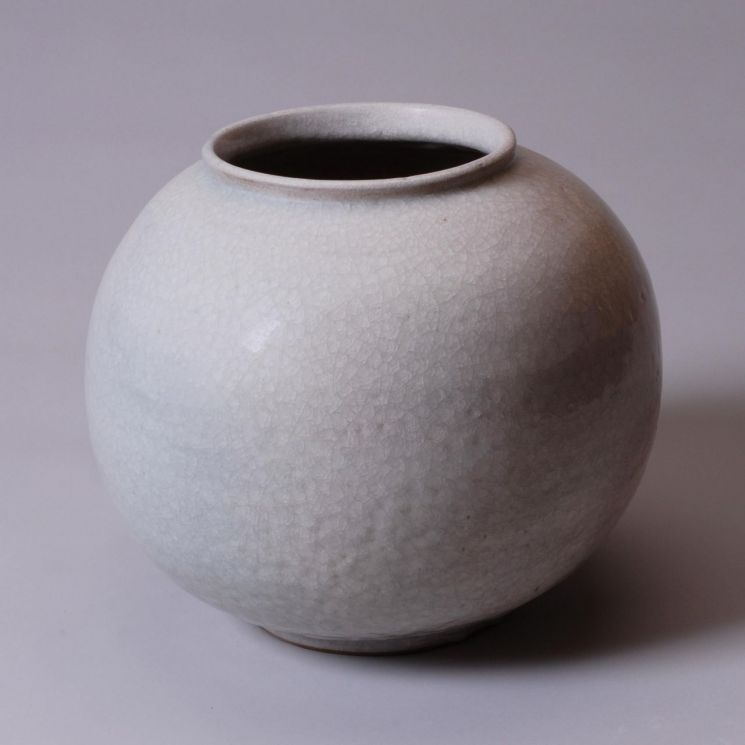
Through this exhibition, the Lee Ungno Museum reexamines the material depth and aesthetics of accumulation in Lee Jongsu’s ceramics, offering a contemporary perspective on another lineage within modern Korean ceramics.
Lee Gapjae, Director of the Lee Ungno Museum, stated, "This exhibition invites reflection on how the time of nature and humanity is accumulated into a single form through Lee Jongsu’s sculptural world, shaped by clay, fire, time, and patience. We hope this will be an opportunity to newly appreciate the depth and value of artists rooted in the local community through the Lee Ungno Museum."
© The Asia Business Daily(www.asiae.co.kr). All rights reserved.
![Clutching a Stolen Dior Bag, Saying "I Hate Being Poor but Real"... The Grotesque Con of a "Human Knockoff" [Slate]](https://cwcontent.asiae.co.kr/asiaresize/183/2026021902243444107_1771435474.jpg)


















