All 392 Seafood Samples in Gangwon Province Deemed Compliant
Tests for Harmful Heavy Metals, Veterinary Drugs, and Artificial Sweeteners Show Safe Results
The Gangwon Provincial Institute of Health and Environment announced on January 8 that it conducted tests on seafood distributed and sold within the province in 2025 for harmful heavy metals, veterinary drugs, and artificial sweeteners banned for use in dried seaweed, and found that all samples were either non-detectable or below the standard limits, thus deemed 'compliant'.
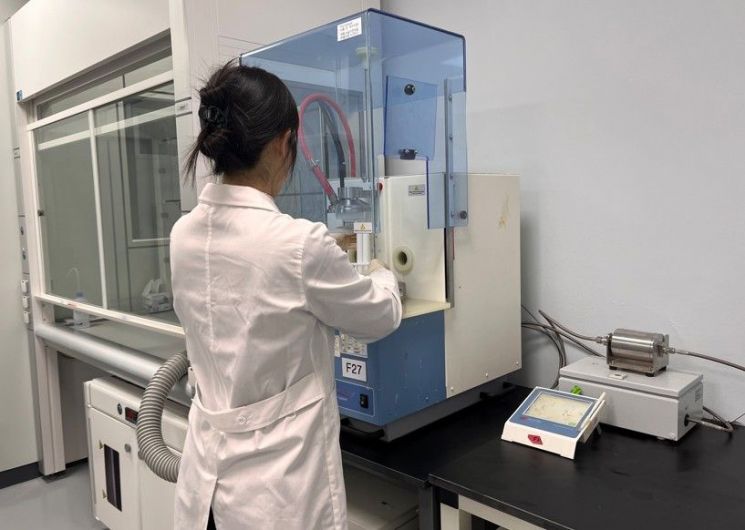 The Gangwon Provincial Institute of Health and Environment is conducting tests on seafood distributed and sold within the province in 2025 for harmful heavy metals, veterinary drugs, and artificial sweeteners banned for use in dried seaweed. Provided by Gangwon Province
This inspection covered a total of 392 cases, including fish and other seafood. The tests targeted harmful heavy metals such as lead, cadmium, and mercury, which are hazardous to health if residues exceed safety standards, as well as 153 types of veterinary drugs including antibiotics and prohibited substances, and artificial sweeteners such as sodium saccharin that could be illicitly used to add sweetness to dried seaweed.
The Institute received official recognition as an accredited testing laboratory (KS Q ISO/IEC 17025) in the field of food heavy metals (lead, cadmium) from the Korea Laboratory Accreditation Scheme (KOLAS) in 2022. It has also participated in the Food Analysis Performance Assessment Scheme (FAPAS), a globally renowned proficiency testing program organized by the UK's Food and Environment Research Agency (FERA), and has received excellent evaluations for four consecutive years, thereby ensuring the reliability of its test and inspection results.
Shin Incheol, Director of the Gangwon Provincial Institute of Health and Environment, stated, "We will continue to conduct seafood safety inspections to ensure that both residents and tourists in the province can consume safe seafood. In 2026, we plan to strengthen tests for methylmercury and shellfish toxins in response to changes in coastal fish species and the potential occurrence of marine biotoxins due to changes in the marine environment."
© The Asia Business Daily(www.asiae.co.kr). All rights reserved.

















