Profit Margins of Just 3?10%: A High-Volume, Low-Profit Reality
Without IP Sovereignty, Success Is Only Superficial

On January 6, 2016, Netflix's entry into Korea was more than just a "catfish effect"-it triggered a seismic shift that upended the entire ecosystem. Ten years later, K-content has become a mainstream phenomenon that excites audiences worldwide. However, behind these dazzling achievements, there is a deep shadow. Have we truly become a "global content powerhouse," or have we simply turned into a cost-effective "premium outsourcing hub"?
Even Earning 1 Trillion Won, Profits Are 'Zero'... Unbearable 'Production Cost Inflation'
The most painful issue is the "asymmetry of profits." Netflix covers 100% of production costs and guarantees production companies a margin of 3% to 10%. In exchange, Netflix exclusively owns all intellectual property (IP) rights to the work. Initially, this structure-where the platform bears the risk of box office failure-was welcomed. However, with global hits like "Squid Game," the situation changed. Although this title is estimated to have generated more than 1 trillion won in economic value, the Korean production company only received the production costs and a modest management fee. Even as more seasons are produced and theme parks are built, any additional profits go entirely to Netflix.
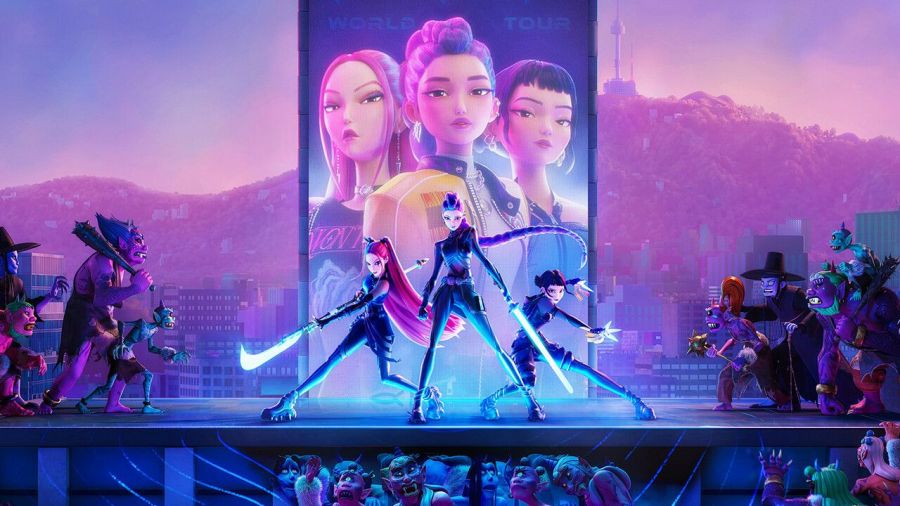
Amid this imbalance, "super-inflation" in production costs has become a boomerang threatening the local ecosystem. Of course, rising costs are not solely due to Netflix or actors. They are also an inevitable result of improvements in working conditions for on-site staff and modernization of production environments, such as the introduction of the 52-hour workweek and the adoption of standard contracts. The problem is that only large global capital, like Netflix, can afford these higher "production cost expectations." Domestic broadcasters and local online video services (OTT) with limited financial resources are forced to either give up or scale down high-quality drama production. In the end, the logic of "survival depends on being chosen by big capital" is driving small production companies and new creators to the brink, deepening polarization within the ecosystem.
'Algorithm Bias' Traps K-Content... Restoring 'IP Sovereignty' Is the Only Way Forward
The loss of cultural diversity is another issue that cannot be overlooked. Due to Netflix's algorithm, which favors simultaneous global releases and binge-watching, production has become skewed toward sensational genres such as thrillers, creature features, and dystopian stories. Korean dramas known for their delicate emotional narratives, human dramas, and experimental low-budget works are often excluded at the planning stage for not fitting the "global hit formula." In the long term, this could weaken the foundation of K-content and result in an overproduction of sensational, violent imagery.
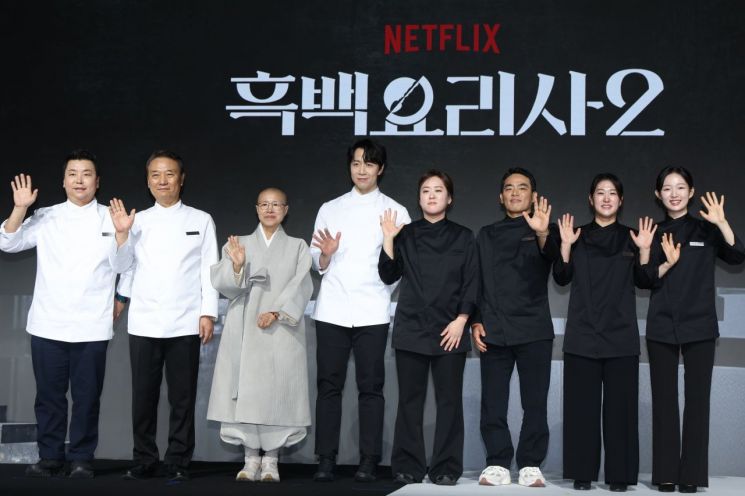
If the past ten years have proven the "potential" of K-content, the next ten years will be a battle to secure "practical benefits" and "sustainability." Industry insiders agree that contract structures must be modernized so that production companies can share IP rights or secure running royalties, moving away from simple delivery-based agreements. There are growing calls for the government to foster local platforms to counter Netflix's monopoly and to support the production of a wider variety of genres. The warning is clear: we must not become so intoxicated by racing down the superhighway built by Netflix that we end up losing control of the steering wheel.
© The Asia Business Daily(www.asiae.co.kr). All rights reserved.



















