Decline in Ulleung Tourism Amid "Overcharging Scandals"
Tourist Numbers Drop by 37,000 in One Year
Recently, Gyeongbuk Ulleung has faced a significant decline in tourist numbers, following a series of controversies such as "fatty pork belly" and "overpriced taxi fares," which have sparked public criticism. Analysts point out that the overall tourism industry in Ulleung has been hit hard by a combination of high prices, repeated overcharging scandals, and a reduction in passenger ferry operations.
Ulleung Tourism Hits Its Peak, Now on the Decline
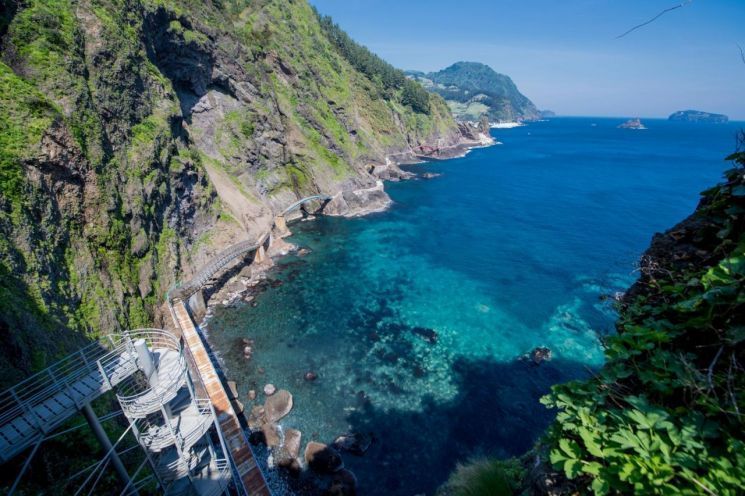
According to Ulleung County on January 7, the number of tourists visiting Ulleung last year was 347,086, a decrease of 37,513 compared to the previous year. On an annual basis, the number of Ulleung tourists peaked at 461,375 in 2022, then dropped to 408,204 in 2023, and further to 384,599 in 2024, showing a steady decline each year.
"A Trip to Ulleungdo Costs as Much as Three Overseas Trips"… Overcharging and Soaring Prices Fuel Controversy
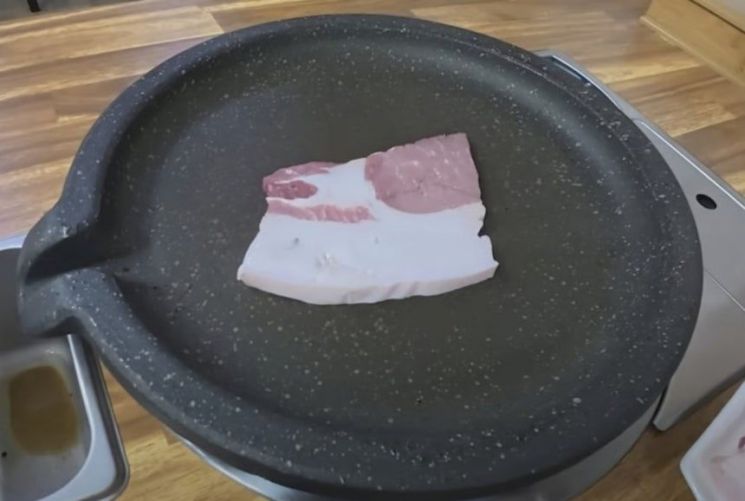 Last year, a YouTuber ordered a single serving (120g) of pork belly priced at 15,000 won at a meat restaurant in Ulleungdo. More than half of the meat was fat. Screenshot from the YouTube channel 'Kkuzun'
The repeated "overcharging scandals" have been cited as a key factor behind the drop in tourist numbers. Last year, a travel YouTuber revealed that a serving of pork belly (120g) ordered for 15,000 won at a restaurant in Ulleungdo consisted of more than 70% fat. The video quickly spread, and the restaurant was eventually suspended for seven days for violating the Food Sanitation Act.
This incident brought renewed attention to the overall price levels and service quality on Ulleungdo. Media reports highlighted that gasoline prices were more than 300 won per liter higher than on the mainland, and rental car fees were more than double. Subsequently, cases of overpriced taxi fares, accommodation rates, and other instances of overcharging were shared on online communities, solidifying a negative perception.
On the Ulleung County Office bulletin board, a post titled "Three Times the Price of a Trip to China" appeared. The author wrote, "A two-night, three-day trip to Ulleungdo cost over 1 million won per person. I didn't expect much in terms of service, but it was even worse than expected. No matter how high the prices are, are they really higher than the rent in downtown Seoul?" The author continued, "A few days ago, I traveled to Dalian, China, and including food, accommodation, expenses, and airfare, it cost 300,000 won per person. For the price of a trip to Ulleungdo, you could go to China three times and still have money left over. You could even take a Phu Quoc package tour for just a little over 1 million won per person."
As the controversy grew, the Ulleung County Governor issued a public apology. On December 24, Nam Han-kwon, Governor of Ulleung County, posted on the county website, "I express my deep sense of responsibility and sincere apology regarding the overall quality and pricing issues of tourism services that have been highlighted through online platforms. While the root causes of this controversy-such as high prices due to the island's geographic characteristics, seasonal demand spikes, and a shortage of skilled workers-make improvements realistically challenging, these factors can never justify unreasonable pricing or unfriendly service."
The County: "Suspension of High-Speed Ferries and Increase in Overseas Travel Also to Blame"
However, Ulleung County believes that, in addition to the overcharging scandals, structural factors have also contributed to the decrease in tourists. A county official stated, "The suspension of high-speed passenger ferry operations and the increase in overseas travel following the return to normalcy after COVID-19 seem to have also affected the decline in tourist numbers."
© The Asia Business Daily(www.asiae.co.kr). All rights reserved.


















