Security Facilities and Mysterious "Cattle Bones" Unearthed at Sewoon District 4
Evidence of a Planned City... Complex Calculations for National Heritage Administration and Seoul City
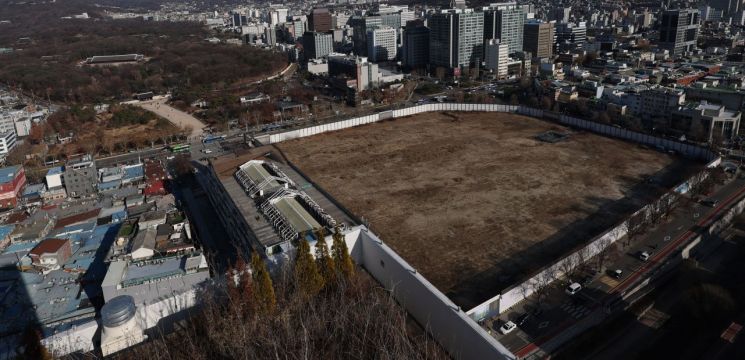 Disputes Heat Up Over High-Rise Building Redevelopment at Jongmyo and Sewoon District 4 in Seoul Yonhap News
The skeletal framework of a Joseon-era city has emerged from beneath the ground at Sewoon District 4, located across from Jongmyo in Seoul, just ahead of its redevelopment. The findings go far beyond traces of residential areas, revealing the security system of the time, an intricate road network, and even animal burial pits whose purpose remains unclear. This is expected to usher in a new phase in the ongoing debate over whether to preserve or develop the site.
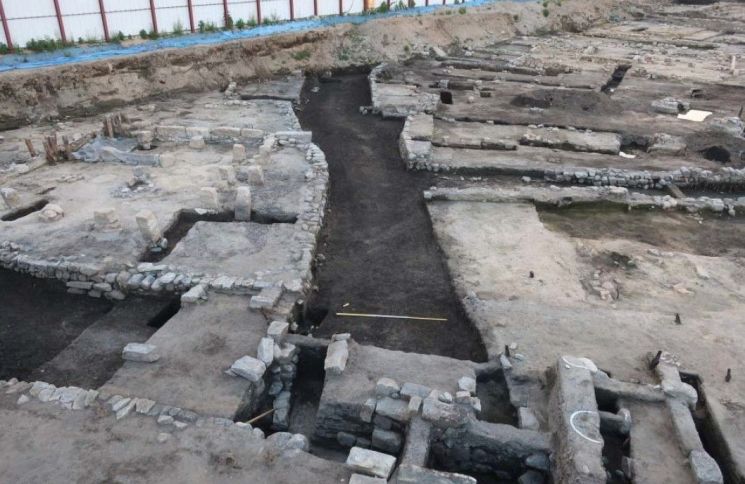
According to the National Heritage Administration and academic circles on January 6, a large portion of urban infrastructure from the early and mid-Joseon period was uncovered during a three-year excavation (from 2022) of the Sewoon District 4 urban environment improvement project site, covering approximately 31,000 square meters. The most notable discovery is the actual remains of an "Imun," a type of security gate erected at village entrances to prevent theft or intrusion. While the Annals of King Sejo (1465) record that "Imun gates were built at the alleys of Gyeongseong," physical evidence had been rare until now. This time, however, clear traces were confirmed alongside building foundations.
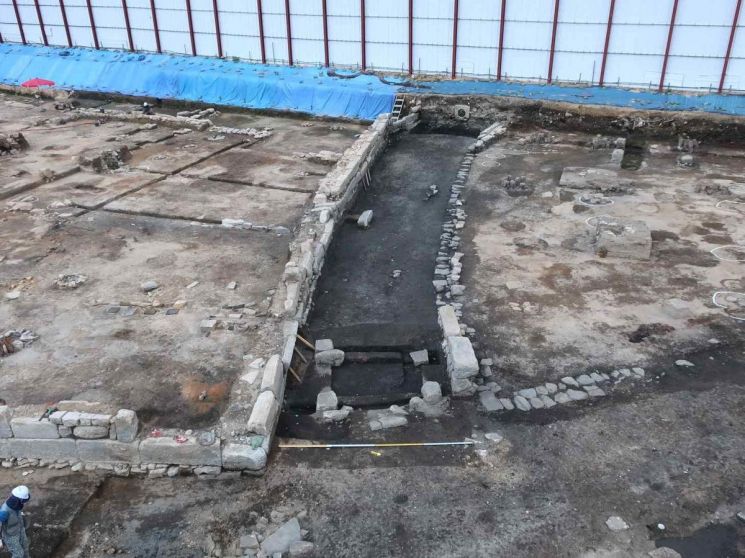
This suggests that the area was not merely a densely populated residential zone but a planned administrative district where the state's security system was in operation. Furthermore, the discovery of well-maintained drainage channels, stone embankments, and bridge remains along the roads provides decisive evidence that early Hanyang (the Joseon capital) was a meticulously designed planned city.
Scholarly interest extends beyond these structures. Across the excavation site, at least seven to eight cattle bones were found buried in pits (soohyeol). What stands out is the condition of the bones. If they had been butchered for food, they would show signs of being cut or burned, but most of these bones remain intact. Such animal burial traces are extremely rare within the Hanyang city walls. Various theories have been proposed, including ritual purposes or disposal due to infectious disease, rather than simply household waste. The National Gyeongju Research Institute of Cultural Heritage is currently conducting a detailed analysis.
Although the excavation has concluded, significant challenges remain. The discovery of relics with such high preservation value has made it inevitable to revise the development plans. While the main approach is to preserve the drainage channels in situ and relocate and preserve the Imun, the situation has become even more complex due to the issue of protecting the view of Jongmyo. As a result, calculations among the authorities have grown increasingly complicated.
The National Heritage Administration and the Seoul Metropolitan Government recently held working-level meetings, but it is reported that no clear agreement has been reached. Huh Min, head of the National Heritage Administration, maintains the basic position that "we must pursue coexistence between heritage preservation and development," while the Seoul government must also consider the project's economic feasibility. Attention is now focused on whether these traces of Joseon, unearthed from underground, will restart the halted redevelopment process or become yet another obstacle.
© The Asia Business Daily(www.asiae.co.kr). All rights reserved.



















