U.S. Intervention in Venezuela
Could Increase Downward Pressure on Global Oil Prices
Some Argue Enormous Costs and Time Will Be Required
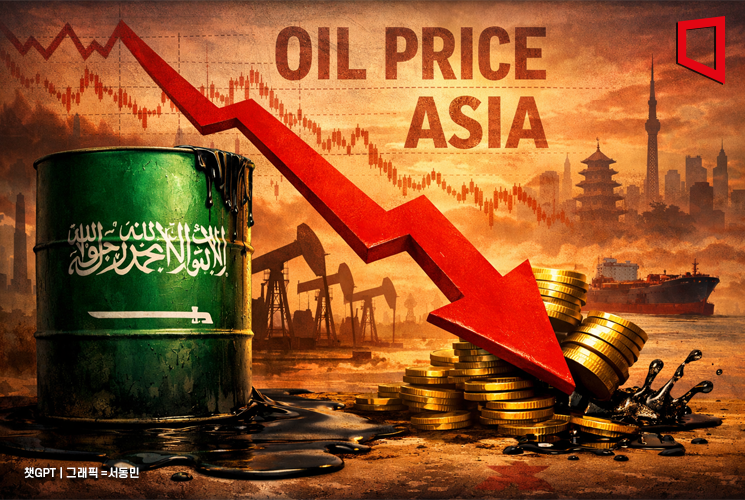
Amid ongoing concerns about a global oversupply of oil, Saudi Arabia, the world's largest oil exporter, has lowered the price of crude oil exported to Asia for the third consecutive month.
According to Bloomberg and Reuters on January 6, Saudi Arabia's state-owned oil company Aramco set the official selling price (OSP) for February 2026 delivery of its flagship grade, Arab Light, at a premium of 30 cents per barrel over the regional benchmark price. This is the lowest level in five years.
Reuters reported that the export price of Arab Light to Asia, which carried a premium of $2.20 per barrel for November 2025 delivery, dropped to a $1 premium for December, then to a 60-cent premium for January, and has now been reduced for the third consecutive month.
Last year, international oil prices experienced their steepest annual decline since the COVID-19 pandemic in 2020, as oversupply coincided with weakening demand. The benchmark Brent crude futures price fell by 17.9% over the course of 2025.
The Organization of the Petroleum Exporting Countries Plus (OPEC+), a coalition of major oil-producing nations, reaffirmed its previous decision to halt crude oil production increases for the first quarter of this year at its meeting on January 4. Earlier, the International Energy Agency (IEA) estimated that the global oil market would face an oversupply of 3.8 million barrels per day this year.
Additionally, as U.S. intervention has accelerated the return of Venezuelan crude to the market, there are predictions that international oil prices could fall further in the medium to long term. In fact, Bloomberg noted that the price of Canadian crude oil fell to its lowest level in over a year on January 5.
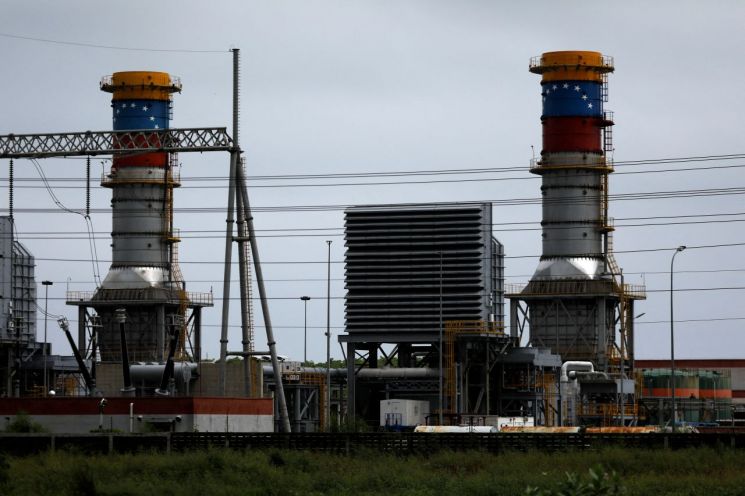
Venezuela, known as the country with the world's largest proven oil reserves, saw its oil production plummet over the past 20 years due to aggressive oil nationalization policies in the 2000s and U.S. sanctions. The country currently produces between 900,000 and 1 million barrels per day.
On January 3, U.S. President Donald Trump stated that after the arrest of Venezuelan President Nicolas Maduro, the United States would "run" Venezuela until a stable transfer of power to a new government is achieved. He also said that the United States would restore Venezuela's oil infrastructure.
However, contrary to President Trump's plan to restore Venezuela's oil infrastructure and rebuild its oil industry under the leadership of U.S. companies, some analysts point out that this would require enormous costs and significant time, making the process highly challenging.
© The Asia Business Daily(www.asiae.co.kr). All rights reserved.


















