Representative Non-Surgical Treatments Include Chuna Manual Therapy, Acupuncture, and Pharmacopuncture
On January 6, Jaseng Korean Medicine Hospital stated that non-surgical treatment can be a good alternative for herniated disc symptoms, provided it is not an emergency situation.
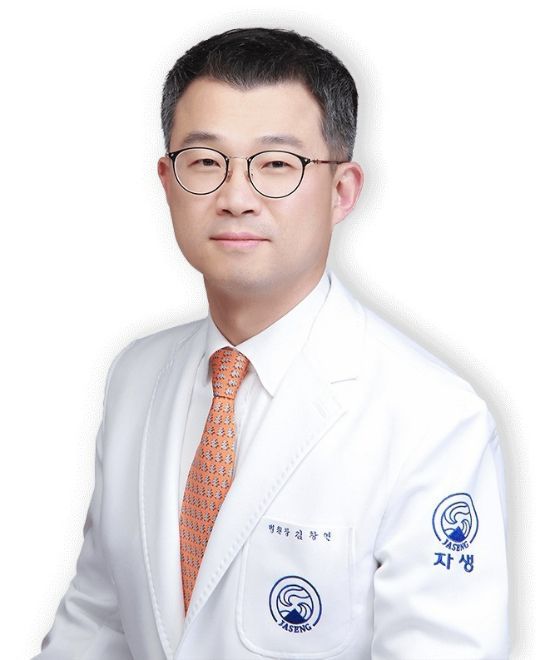 Changyeon Kim, Director of Daejeon Jaseng Korean Medicine Hospital. Daejeon Jaseng Korean Medicine Hospital
A herniated disc is a spinal condition in which the disc (intervertebral disc) located between the vertebrae protrudes or herniates, compressing nearby nerves and causing pain. If the disc irritates the nerves that extend from the lower back to the legs, the pain can spread throughout the lower body and may even lead to symptoms of paralysis. In severe cases, it can cause problems with urination or defecation, and missing the optimal treatment window increases the risk of permanent nerve damage.
If herniated disc symptoms worsen, surgical methods such as removing the disc or replacing it with an artificial disc may be considered. However, since herniated discs can recur even after surgery, non-surgical treatments can also be a good alternative unless there is an emergency situation such as loss of bladder or bowel control.
Representative non-surgical treatments for herniated discs include Chuna manual therapy and integrative Korean medicine treatments such as acupuncture and pharmacopuncture. Chuna manual therapy is a hands-on technique that corrects overall body alignment, restores balance to the joints, and improves function by realigning the spine. Acupuncture relaxes tense lower back muscles and promotes blood circulation, while pharmacopuncture involves injecting active herbal ingredients to quickly reduce inflammation and pain.
According to a research paper published by the Jaseng Korean Medicine Hospital Spine and Joint Research Institute in the SCI(E)-level international journal "Integrative Medicine Research," the research team comprehensively analyzed pain and function indicators in 65 herniated disc patients who received integrative Korean medicine treatment for six months, assessing them again ten years after treatment. The results showed that the severity of radiating leg pain, measured by the Visual Analog Scale (VAS; 0-10), improved from a pre-treatment level of 7.42 to 0.88 ten years later, demonstrating long-term effectiveness. The VAS for lower back pain also remained at 1.15, indicating an almost pain-free state.
If a patient suddenly becomes unable to move, it is also recommended to receive motion acupuncture, an emergency acupuncture method. Motion acupuncture involves the practitioner inducing active or passive movements in the patient while the needles are inserted, helping to relax stiff muscles and ligaments and thereby reduce pain.
Changyeon Kim, Director of Daejeon Jaseng Korean Medicine Hospital, stated, "Integrative Korean medicine treatment helps herniated disc patients alleviate symptoms and return to daily life more quickly." He added, "However, even after successful treatment at the hospital, if unhealthy lifestyle habits that hinder the body's healing ability continue, the condition can always recur. Therefore, it is important to consistently manage your health through regular exercise and self-care in daily life."
© The Asia Business Daily(www.asiae.co.kr). All rights reserved.
![Clutching a Stolen Dior Bag, Saying "I Hate Being Poor but Real"... The Grotesque Con of a "Human Knockoff" [Slate]](https://cwcontent.asiae.co.kr/asiaresize/183/2026021902243444107_1771435474.jpg)
















