Implementation of the Integrated Care Support Act in March
Eligibility Raised to 160% of Median Income
Total Budget of 9 Billion Won Including 1.34 Billion Won in National Funding
'Gwangju-Style Integrated Care' will be fully expanded into the national care system in March to coincide with the implementation of the 'Integrated Care Support Act.' Gwangju City will expand the eligibility for service cost support to households with income at or below 160% of the median income, allowing 77.6% of all citizens to receive financial support for care services.
On January 6, Gwangju City announced that, as it marks the fourth year of implementing integrated care, it has established a 'universal care system' that anyone can apply for, regardless of income.
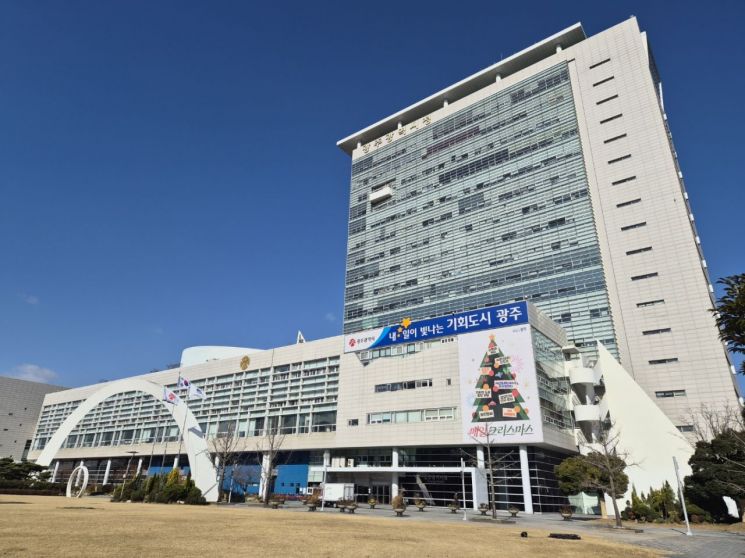
Care as a Right for All...Expanded Cost Support Eligibility
Gwangju-Style Integrated Care is a care system that anyone can apply for, regardless of income, with some personal expenses applied depending on income level. Previously, Gwangju City provided cost support only to households with income at or below 90% of the median income, but starting this year, the eligibility has been expanded to households with income at or below 160% of the median income.
The proportion of eligible citizens will increase from 53.7% to 77.6%. Single-person households with a monthly income of 4.1 million won or less, and two-person households with a monthly income of 6.72 million won or less, will be eligible for service cost support.
Households with income at or below 90% of the median income will receive services free of charge. For those in the 90% to 120% range, a 30% personal expense will be applied, and for the 120% to 160% range, a 60% personal expense will be applied. The annual support limit per person will remain at 1.5 million won.
Integrated Care System Without Overlap or Omission Nationwide
Starting March 27, Gwangju City will operate an integrated care system linked to the nationwide medical and long-term care services. Considering that the nationwide care program targets seniors and people with disabilities, Gwangju will use 'Gwangju Care,' which is available to all citizens, as the entry point for care services, and will connect it with the Ministry of Health and Welfare’s budget and services. To this end, the city has secured a total project budget of 9 billion won, including 1.34 billion won in national funding.
In addition, by collaborating with the National Health Insurance Service, Gwangju will establish an integrated assessment system and use big data from the National Health Insurance Service to identify additional care recipients who may have been missed by existing programs, such as those who were denied long-term care insurance.
More Comprehensive Services with a Single Application...Expanded Gwangju-Style Care Linkages
Gwangju-Style Integrated Care connects a variety of services through a single application. While other regions launching integrated care this year provide an average of seven types of services, Gwangju will link 13 types of care services.
Basic daily care includes housekeeping, meal support, and hospital accompaniment. In addition, housing safety care includes deep cleaning, disinfection, and artificial intelligence (AI) check-in calls. Medical care is provided through home visits by doctors, nurses, dental hygienists, and physical therapists.
The city will introduce a 'polypharmacy management service,' where pharmacists visit homes to check for duplicate prescriptions or excessive medication. Care linkages will also be strengthened for patients immediately after surgery or hospital discharge. The city has established a system for direct referral from hospitals to local administrative welfare centers or district offices, and has signed agreements with 49 secondary and tertiary hospitals and long-term care hospitals. A post-service monitoring system will be introduced to check service usage three months after provision.
Gwangju Mayor Kang Gijung stated, "Gwangju has always aimed to be a city where anyone can rely on support when needed and no one is left alone in times of crisis," adding, "Gwangju-Style Integrated Care is the result of a care community built on citizen solidarity and participation."
© The Asia Business Daily(www.asiae.co.kr). All rights reserved.
!["I'd Rather Live as a Glamorous Fake Than as a Poor Real Me"...A Grotesque Success Story Shaking the Korean Psyche [Slate]](https://cwcontent.asiae.co.kr/asiaresize/183/2026021902243444107_1771435474.jpg)
















