Blocking Unauthorized Use of Faces and Voices
30-Year Protection After Death
Up to Fivefold Damages for Malicious Infringement
As artificial intelligence (AI) technology becomes more widespread, cases of unauthorized use of individuals' faces and voices are rapidly increasing. In response, legislation to systematically protect these rights is being promoted.
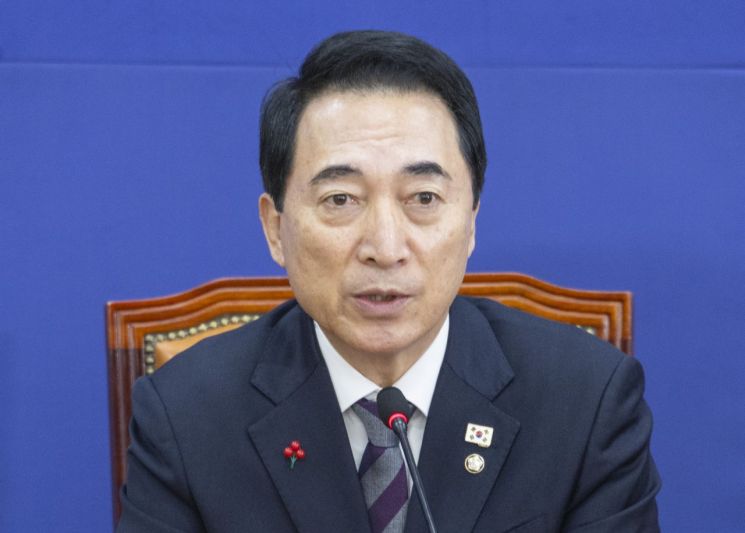
On January 5, Park Soohyun, a member of the National Assembly's Culture, Sports and Tourism Committee from the Democratic Party of Korea, sponsored the "Act on the Protection and Utilization of Publicity Rights." The purpose of the bill is to prevent rights infringements caused by AI deepfake videos and cover songs in advance, and to establish a fair order for their use.
According to Assemblyman Park, the proposed legislation defines the property value of a person's likeness, name, voice, and other elements that can identify a specific individual as an independent right (publicity right). This measure addresses the criticism that the current legal system does not adequately regulate the rapidly changing AI environment.
The bill stipulates that the duration of publicity rights will be the lifetime of the right holder and 30 years after their death.
It also allows the right holder or their heirs to permit the use of their likeness or voice, and requires the Minister of Culture, Sports and Tourism to establish and implement relevant policies.
However, exceptions are made for use with public interest purposes, such as news reporting or information delivery, allowing such use without the prior consent of the right holder. This provision is intended to balance the protection of rights with freedom of expression.
In particular, when digital replicas are created using AI and are performed, transmitted, or distributed, the bill mandates that such content must be clearly labeled as a digital replica.
Violations of this provision are subject to fines of up to 10 million won.
Additionally, the production of digital replicas that defame the right holder is regarded as an infringement of publicity rights. If intentionality is recognized, damages of up to five times the actual amount can be awarded, thereby strengthening penalties for malicious violations.
Assemblyman Park stated, "The advancement of AI technology presents new opportunities for the cultural industry, but also increases the risk of indiscriminate infringement on individual identity," adding, "It is the responsibility of legislation to establish a system of rights protection that keeps pace with technological developments."
He further emphasized, "By protecting publicity rights, we will safeguard individuals' legitimate interests while also supporting the sustainable growth of the cultural content industry."
© The Asia Business Daily(www.asiae.co.kr). All rights reserved.
![Clutching a Stolen Dior Bag, Saying "I Hate Being Poor but Real"... The Grotesque Con of a "Human Knockoff" [Slate]](https://cwcontent.asiae.co.kr/asiaresize/183/2026021902243444107_1771435474.jpg)
















