Hyundai Research Institute Report
"Structural Issues Are Major Obstacles"
There is an analysis suggesting that it will not be easy for the Korean economy to recover an annual growth rate in the 3% range for the time being. Structural factors such as population decline and stagnation in investment have been cited as the main reasons.
On January 4, the Hyundai Research Institute released a report titled "Domestic Trends in 2026: Efforts to Overcome Growth Crisis and Challenges for Change," stating this outlook. In the report, the institute diagnosed that returning to the government's target potential growth rate of 3% or to a growth trajectory in the 3% range is a difficult task to achieve in the medium to short term.
The institute stated, "Since entering the 2020s, the Korean economy recorded a growth rate of 4.6% in 2021, the year after the pandemic, but has not achieved an annual growth rate of 3.0% or higher since then, and is expected to average only about 2.0% growth from 2026 to 2030."
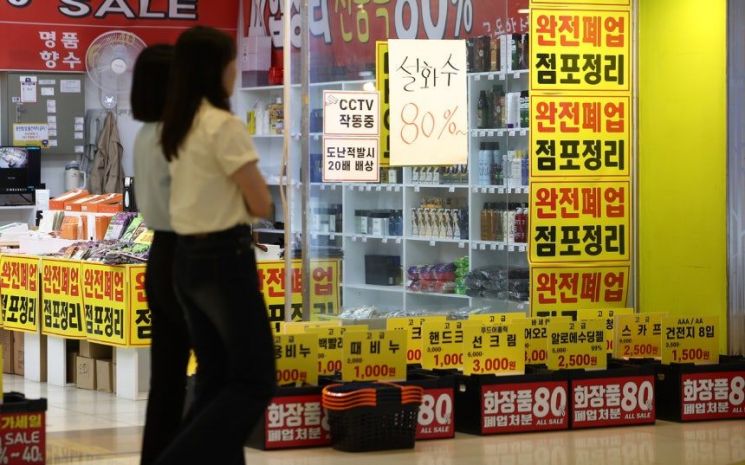
As downward factors for Korea's economic growth, the institute pointed to not only external factors such as the ongoing US-China trade conflict, but also internal structural factors including stagnant domestic investment, a shortage of labor force, and insufficient securing of future growth engines.
Due to the continued low birth rate, the proportion of the working-age population compared to the total population is projected to decrease from 73.4% in 2021 to 66.6% in 2030, and to 51.9% in 2050. The growth rate of labor productivity, which could offset the population decline, is also on a downward trend, falling from 2.8% per hour for all industries during 2013-2017 to 2.5% during 2018-2023.
The institute added that the proportion of overseas investment relative to domestic fixed investment increased from an annual average of 6.5% during 2016-2019, before the COVID-19 pandemic, to 9.1% during 2021-2024. It also noted that expanding domestic investment remains challenging, as annual investments of about 20 billion dollars in the United States are being pledged going forward.
The institute further emphasized, "Since returning to a growth trajectory in the 3% range is not a task that can be achieved in the short term, it is necessary to approach it from a long-term perspective and to prepare step-by-step measures to strengthen fundamentals at each stage."
In the self-employment sector, the institute diagnosed that the ongoing crisis, such as declining income levels, may accelerate the structural reorganization of self-employment.
According to the report, as of 2024, the proportion of self-employed people fell below 20% for the first time, and the number of business closures exceeded 1 million.
The institute explained, "The decline in the number of self-employed people is expected to continue due to low income levels and worsening financial conditions. This is an inevitable phenomenon in the process of economic development and industrial upgrading, and the market is being reorganized around businesses with competitiveness."
© The Asia Business Daily(www.asiae.co.kr). All rights reserved.
![Clutching a Stolen Dior Bag, Saying "I Hate Being Poor but Real"... The Grotesque Con of a "Human Knockoff" [Slate]](https://cwcontent.asiae.co.kr/asiaresize/183/2026021902243444107_1771435474.jpg)

















