Be Cautious of Prolonged Exposure to Low-Temperature Home Heating Appliances
The cold wave that arrived with the New Year is expected to reach its peak during the first weekend of 2026.
According to the Korea Meteorological Administration, as of 5 a.m. on January 3, the temperature in Seoul dropped to minus 9.5 degrees Celsius, and even southern regions recorded subzero temperatures, signaling a harsh cold spell. In particular, the perceived temperature is expected to be even lower, so special attention to health is necessary. After the weekend, the cold is expected to temporarily subside, but subzero temperatures are forecast to return during the week.
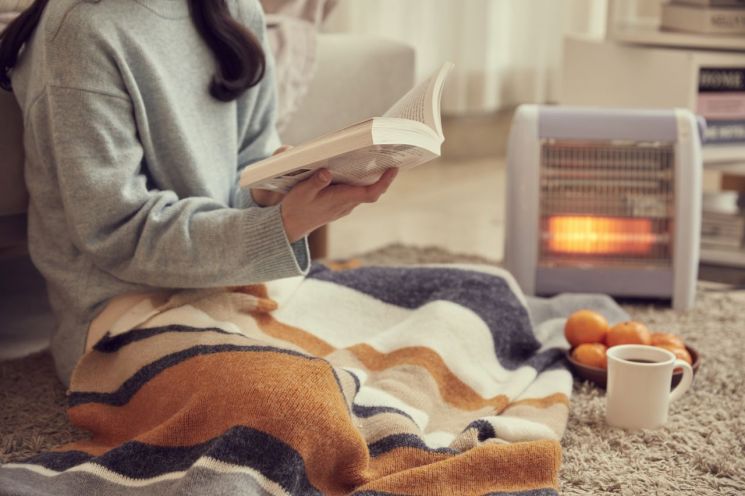
Every winter, the severe cold wave makes people reluctant to go outside, leading most to seek warmth indoors, such as on heated floors or by using household heating appliances. With heating costs soaring, more households are opting for electric mats and electric heaters instead of boilers. However, as more people use heating devices to avoid the cold each year, the number of patients visiting hospitals due to unexpected burns from these appliances is also increasing.
During winter, electric blankets, heaters, and hot packs are commonly used in daily life to keep the body warm. However, improper use of these heating devices in pursuit of warmth can result in low-temperature burns, so caution is needed.
Generally, burns refer to skin damage caused by high temperatures. In contrast, low-temperature burns occur when the skin is exposed for a prolonged period to a relatively low temperature environment of about 40 to 50 degrees Celsius. Prolonged exposure to heat reduces blood circulation to the affected area, and the accumulated heat cannot dissipate to other parts of the body, causing the temperature of the exposed area to rise and resulting in burns. At temperatures below 45 degrees Celsius, tissue damage is minimal, but between 45 and 50 degrees, partial cell damage can occur. At temperatures above 50 degrees, protein components of the cells begin to denature.
Symptoms of low-temperature burns typically include pigmentation, red spots, thermal erythema, itching, and blisters.
Unlike ordinary burns, low-temperature burns develop slowly at lower temperatures, making it difficult to recognize symptoms immediately. This is especially true for the elderly, who may find it hard to go outside and are more sensitive to cold. They may use heating devices for extended periods and fail to notice symptoms quickly, leading to delayed hospital visits and more severe aftereffects.
Infants and young children with sensitive skin, as well as children and adolescents with conditions like atopic dermatitis, are at higher risk of low-temperature burns if they use hot packs or portable hand warmers for long periods.
Recently, as winter camping has become more popular, heating appliances are also frequently used outdoors. In these situations, outdoor activities can dull skin sensitivity, increasing the risk of burns from heating devices. Additionally, if warmth is not felt immediately, people may move closer to the heating device, which can result in contact burns or even high-temperature burns, so extra caution is required.
For low-temperature burns, emergency treatment is especially important. As with general burn care, the affected area should first be cooled with cool water or saline solution, then burn ointment should be applied and the area covered with gauze. However, using extremely cold water, ice, or high-pressure water streams to cool the burn can have adverse effects and should be avoided. If the burn is severe, it is best to seek immediate medical attention after administering first aid.
Bae Kangho, Chief of Surgery at Ulsan Elijah Hospital, advised, "While people usually notice when something feels hot, they may not perceive relatively low temperatures as dangerous, leading to prolonged exposure to heat. In particular, the elderly and infants with reduced sensitivity, as well as those who are intoxicated, taking medication, or have conditions like diabetes that lower sensitivity, should be especially careful when using heating appliances in winter."
Since everyone is at risk of low-temperature burns during winter, it is important to follow the proper usage instructions for each heating appliance. Electric mats should be set to around 37 degrees Celsius, close to body temperature, and used with a blanket or quilt to avoid direct contact with the skin.
For hot packs and portable hand warmers, use a cover or handkerchief to prevent direct contact with the skin. Heaters should be kept at least 1 meter away, and should not be used for long periods to prevent overheating and fire hazards. Since it is easy to fall asleep in a warm room, always turn off heating appliances or set them to a lower temperature before sleeping.
If it is unavoidable to use heating devices for extended periods, ventilate the room frequently and keep the skin moisturized with hand cream or lotion to prevent dryness. Those with reduced skin sensitivity due to alcohol consumption or fragile skin, such as the elderly, infants, and patients with atopic dermatitis, should be especially careful and, if possible, use heating appliances under the supervision of a caregiver.
© The Asia Business Daily(www.asiae.co.kr). All rights reserved.