Jeju Autonomous Police Agency Uncovers 46 Illegal Unregistered Lodging Facilities in Jeju This Year
A large number of illegal unregistered lodging facilities, disguised as short-term rentals, have been uncovered in Jeju. It was found that these facilities charged guests between 100,000 won and as much as 380,000 won per night on average.
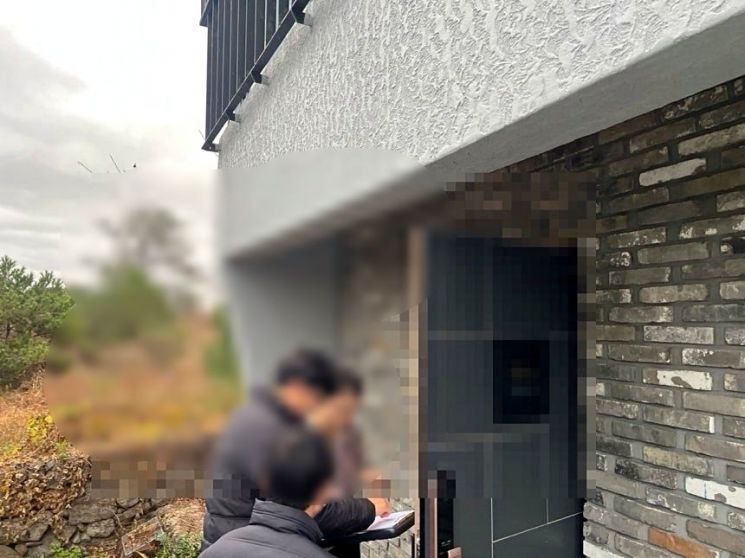
The Jeju Autonomous Police Agency announced on December 30 that it had uncovered 46 illegal unregistered lodging facilities between January 1 and December 29 of this year. This figure is nearly double the 27 facilities uncovered during the same period last year.
From 100,000 won to as much as 380,000 won per night
The Jeju Autonomous Police Agency has been conducting year-round crackdowns on illegal unregistered lodging facilities to block illegal operations that disrupt tourism order, with a particular focus on the summer peak season from July to September when tourist numbers surge. As a result of these crackdowns, some of the uncovered businesses were found to have disguised themselves as short-term rentals, charging guests an average of 100,000 won and up to 380,000 won per night for illegal lodging operations.
In particular, Company A, which operated illegal lodging businesses for approximately 4 years and 10 months in two buildings located in Jeju City and Seogwipo City, earned about 85 million won in illicit profits. Company B, which used two buildings in Aewol-eup for about 10 months of illegal lodging operations, gained approximately 97 million won in illicit profits.
The violators claimed that they were running short-term rental businesses by registering their accommodations on short-term rental promotion platforms and recruiting tenants for periods ranging from six nights to under one month. However, in reality, they operated in the same manner as regular lodging businesses, providing bedding, toiletries, and cleaning services to guests.
Unregistered facilities make it difficult to receive compensation in case of accidents
Unregistered lodging facilities are not subject to hygiene and fire safety inspections, so proper safety facilities are often lacking. As a result, it is difficult for guests to receive compensation if an accident occurs. The Jeju Autonomous Police Agency also explained that when these facilities operate under a lease contract format, there is a risk that responsibility could be shifted onto the guests.
The Jeju Autonomous Police Agency is currently focusing intensive monitoring on facilities suspected of large-scale lodging operations and is strengthening constant surveillance of townhouses and other businesses that have continued operations even after previous crackdowns.
Park Sanghyun, Head of the Tourism Police Division at the Jeju Autonomous Police Agency, emphasized, "Illegal unregistered lodging facilities threaten public hygiene and safety," adding, "We will respond strictly with zero tolerance, especially to facilities that repeatedly and habitually violate the law and those suspected of large-scale illegal lodging operations."
© The Asia Business Daily(www.asiae.co.kr). All rights reserved.

















