New Year's Foods from Around the World in the Spotlight
Coins Hidden Inside Cakes for Good Luck
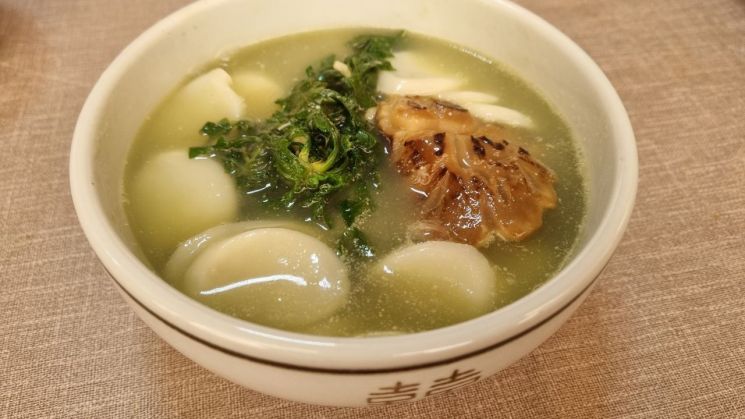
The custom of eating rice cake soup on New Year's Day carries wishes for good health, longevity, and prosperity. Garaetteok, the long cylindrical rice cake, symbolizes longevity, while the coin-shaped slices represent hopes for wealth. Traditions that assign meaning to New Year's foods like this are found not only in Korea but also around the world. While the dishes may differ by country, the desire to wish for good fortune in the coming year remains the same everywhere.
Colorful New Year’s Foods... A Shared Wish for Good Luck
In the United States, people enjoy "Hoppin' John" on New Year's Day, a dish made by stir-frying rice, beans, onions, bacon, and vegetables with salt or spices. The beans symbolize coins, the green vegetables represent paper money, and pork stands for wealth, all expressing wishes for economic prosperity in the new year. Originally eaten by African slaves brought to America, Hoppin' John spread across the country after the Civil War and became a representative New Year's dish.
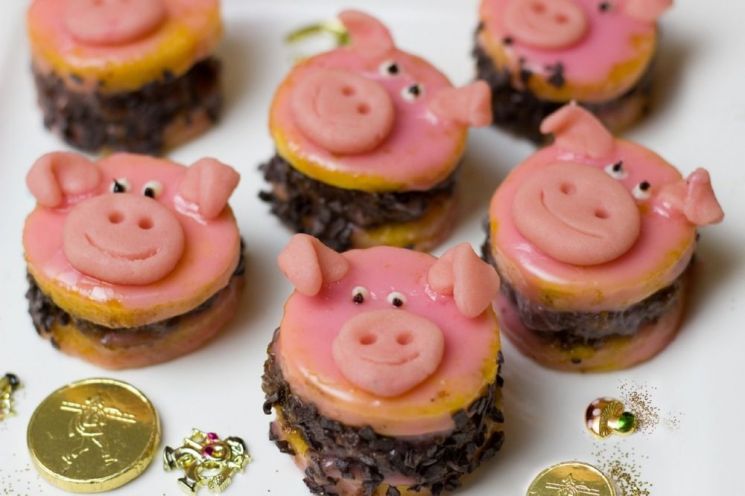
In the United Kingdom, there is a tradition of eating "mince pies." These pies, filled with dried fruits and spices, are believed to bring good luck in the new year if one is eaten every day for twelve days starting from Christmas. In Germany, people exchange "marzipan pigs," pig-shaped sweets, to wish for good fortune and prosperity in the new year. This stems from the belief that pigs symbolize luck, and the act of gifting them is seen as sharing good fortune with others.
A Unique Tradition of Eating Grapes to the Sound of Bells
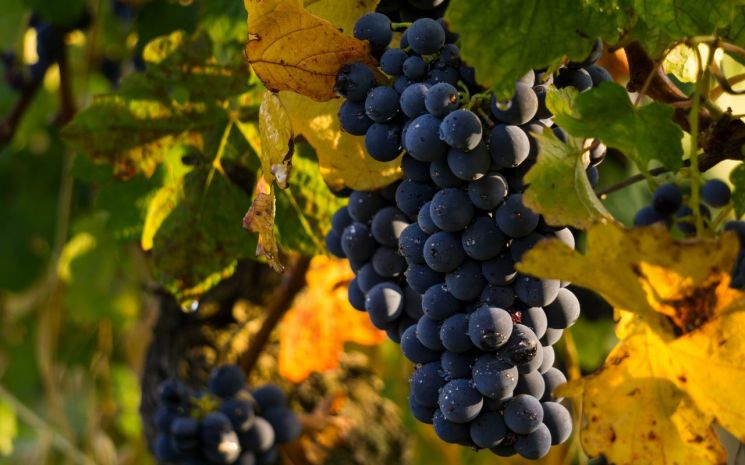
In Spain, there is a unique custom of eating one grape with each of the twelve chimes that ring out in the square as the New Year begins. This tradition, called "Uvas de la Suerte" (Grapes of Luck), involves eating a total of twelve grapes-one for each chime-to wish for good luck in all twelve months of the year. This custom is not only practiced in Spain but also continues in countries such as Mexico, Portugal, and Cuba.
In Bulgaria, families share "focaccia" together on New Year's Day. Unlike regular focaccia, the New Year's version is baked with a coin hidden inside the dough. The oldest person in the family distributes the bread, and it is believed that whoever receives the piece with the coin will have good luck throughout the year.
A similar tradition exists in Greece. On New Year's, Greeks cut a cake called "Vasilopita." This cake, which has a texture similar to castella, contains a hidden coin or small ornament, and the person who finds it in their slice is believed to be blessed with good fortune.
New Year’s Food Traditions Flourish in Asia as Well
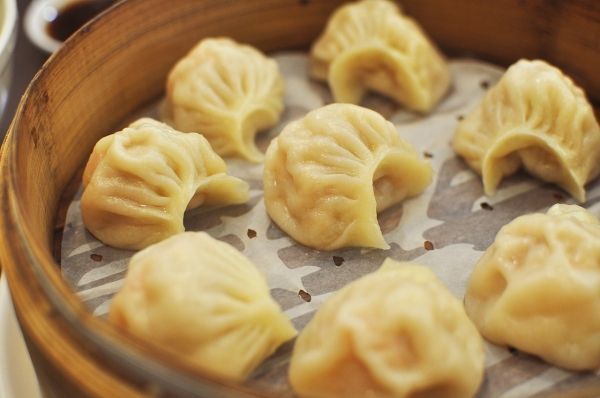
Asian countries also imbue their New Year's foods with special meanings. In China, customs vary by region, but the most representative New Year's dish is "Jiaozi," dumplings similar to those found in Korea. Their shape resembles the ancient currency "Yuanbao," symbolizing wealth, and it is customary for families to make Jiaozi together around the Lunar New Year while wishing for their hopes to come true. The fillings are also meaningful: tofu and cabbage represent peace, while jujubes are included to wish for children.
In Japan, people eat "Ozoni," a dish similar to Korean rice cake soup. It is made by simmering vegetables and fish cakes in broth, but unlike the Korean version, it uses rice cakes made from glutinous rice. The recipe varies by region, so the taste and appearance of Ozoni differ throughout the country.
© The Asia Business Daily(www.asiae.co.kr). All rights reserved.



















