Gwangju HR Committee Survey on Employment Perceptions and Preferences
Half Prefer Other Regions Due to Better Job Opportunities
Company Stability and Salary Are Key Considerations
Relevant Institutions Need to Expand High School Graduate Recruitment
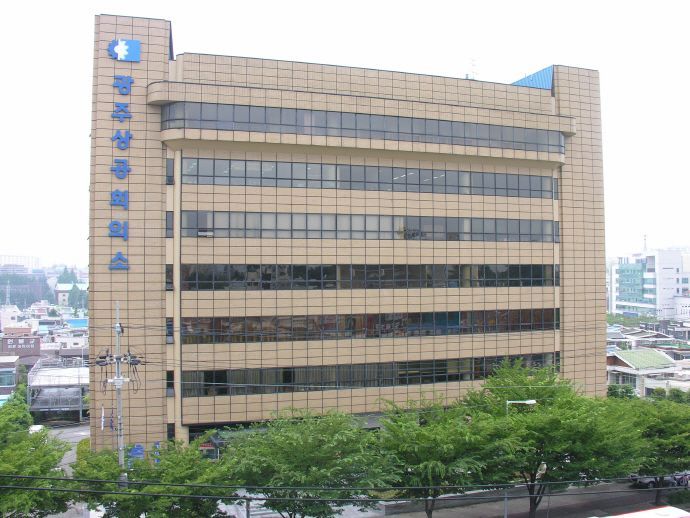
It has been found that half of vocational high school students in the Gwangju area hope to find employment within the region. While students consider company stability and salary to be the most important factors, they responded that it is difficult to obtain information or advice necessary for employment.
According to the results of the "2025 Gwangju Vocational High School Employment Preference Survey and Study," which analyzed the employment perceptions and preferences of vocational high school students in the region, the top post-graduation plan for Gwangju vocational high school students was "employment" (47.7%). This was followed by "university admission" at 31.3%.
The Gwangju Human Resources Development Committee conducted the survey over three months from August to October, targeting 310 vocational high school students. The survey aimed to explore customized employment support measures by in-depth analysis of students' post-graduation plans, preferred jobs and locations, employment decision factors, and demand for vocational training.
In the survey on preferred employment locations after graduation, 56.1% of respondents selected "Gwangju," indicating a relatively high intention to work locally. However, the remaining 43.9% of students were considering employment in other regions, highlighting the ongoing need for measures to prevent talent outflow.
The main reasons for avoiding employment in Gwangju were "other regions seem to offer more jobs and better future prospects" (50.7%) and "the jobs I want do not seem to exist in Gwangju" (18.4%). Other reasons included "I do not know which companies are in Gwangju" (6.6%) and "the salary or welfare benefits seem lower than in other regions" (5.9%).
The most important factor students consider when deciding on employment is "company stability" (56.1%), followed by "salary (annual income)" (49.4%), "aptitude and interest" (46.5%), "welfare system" (39.0%), "working hours" (30.3%), and "distance from home" (18.1%).
Regarding the preferred occupational fields, matching the major and sub-major categories of the Korean Employment Classification of Occupations (KECO), "installation, maintenance, and production jobs (including electrical and electronics)" ranked highest at 31.3%, followed by "management, office, finance, and insurance jobs" (21.0%), "arts, design, broadcasting, and sports jobs" (11.9%), and "beauty, travel, accommodation, food service, security, and cleaning jobs" (11.0%).
In the areas where students wished to receive vocational training, the top choices were "management, accounting, and office-related jobs" (16.8%), "electrical and electronics-related jobs" (15.5%), "machinery-related jobs" (13.2%), and "culture, arts, design, and broadcasting-related jobs" (10.3%).
The biggest difficulties students faced in preparing for employment were "difficulty obtaining information or advice necessary for employment" (29.0%), "finding it hard to prepare for certifications or practical training" (23.9%), "the time or cost required for employment is burdensome" (23.9%), and "difficulty finding desired jobs in Gwangju" (19.7%). This indicates the need to improve information accessibility, expand support for practical training and certification acquisition, and strengthen local job matching.
When 60 vocational high school teachers were asked what kind of support they would like to see expanded from relevant institutions such as government agencies, local governments, and education offices, their responses included "expanding high school graduate recruitment and strengthening support policies" (54.2%), "providing various benefits for employment at local companies" (22.0%), "strengthening employment-related education and training programs" (19.0%), and "expanding employment events and job fairs" (4.8%).
Based on the results of this survey, the Gwangju Human Resources Development Committee proposed policy directions such as: expanding training programs that link preferred job categories with regional strategic industries like AI and energy; spreading "quality jobs" by improving wages, welfare, and working environments; establishing and supporting a one-stop integrated employment information platform that connects employment, training, companies, and universities; and expanding employment-linked programs with participation from local companies.
Lee Huyeong, Secretary General of the Gwangju Human Resources Development Committee, stated, "This survey provides data that simultaneously shows the realistic employment perceptions of vocational high school students and the challenges facing regional industries," adding, "We will continue to implement policies that connect education, industry, and employment so that young people can settle and grow in the region."
© The Asia Business Daily(www.asiae.co.kr). All rights reserved.
![Clutching a Stolen Dior Bag, Saying "I Hate Being Poor but Real"... The Grotesque Con of a "Human Knockoff" [Slate]](https://cwcontent.asiae.co.kr/asiaresize/183/2026021902243444107_1771435474.jpg)
















