Bacteria Multiply Faster in Warm and Humid Environments
"Don't Delay Washing Dishes, Do It Immediately"
A warning has been issued that the habit of leaving used dishes soaking in the sink overnight can lead to health problems such as food poisoning. Experts have pointed out that a warm and humid environment encourages the growth of various harmful bacteria.
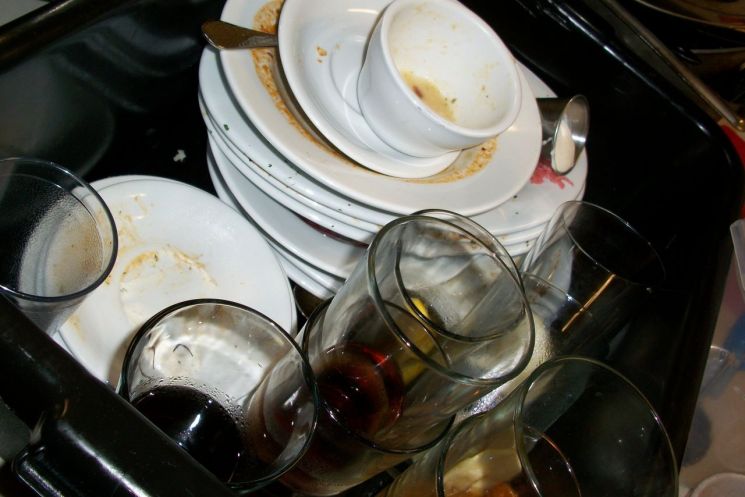 A warning has been issued that the habit of soaking used plates and utensils in water overnight can turn the sink into a breeding ground for various bacteria. Pixabay
Recently, the British media outlet Daily Mail reported that the habit of soaking used plates and utensils in water overnight can turn the sink into a breeding ground for various bacteria. When dishes are left in a sink filled with water, a warm and humid environment is created, allowing harmful microorganisms to multiply rapidly. This, in turn, can increase the risk of food poisoning and various infectious diseases.
Jason Tetro, a microbiologist and author of "The Germ Code," explained, "From a microbiologist's perspective, the kitchen sink is a hotbed for the spread of microorganisms and bacteria," adding, "Research has confirmed that a variety of unwanted bacteria, including E. coli, food poisoning bacteria, and skin bacteria, can be found in sinks."
The Dirtiest Place in the Kitchen: The Sink
There is research supporting these claims. A team from Cardiff Metropolitan University in the UK analyzed kitchen surfaces from 46 households across the country and found that the sink was the area where the highest number of bacteria were detected.
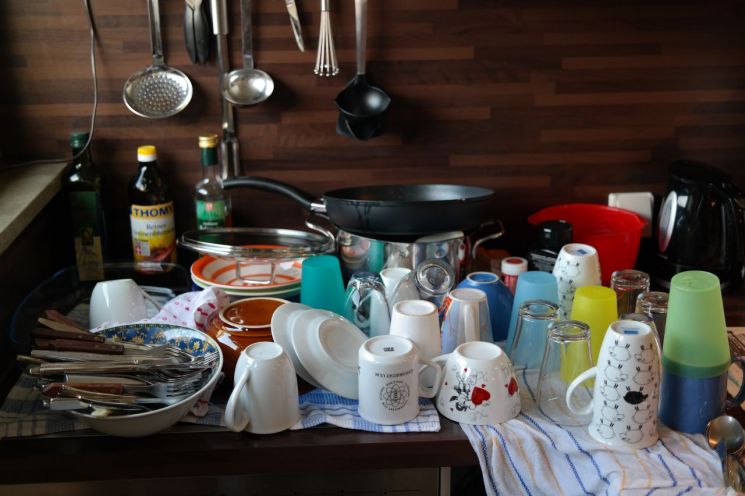
Experts have cited the possibility of contamination during the handling of raw foods as a reason why sinks tend to harbor large amounts of bacteria. The UK Food Standards Agency (FSA) has recommended against washing meat with water, as water splashing during the process can spread bacteria to nearby countertops, utensils, and ingredients.
The most commonly detected microorganisms in the study were Escherichia coli (E. coli), Enterobacter cloacae, and Klebsiella pneumoniae. Infection with E. coli can cause fever, vomiting, and diarrhea, and in severe cases, it can be fatal. A study published earlier this year also found that E. coli infection is linked to the increasing incidence of colorectal cancer among those under the age of 50.
According to the UK Health Security Agency, infection with Shiga toxin-producing E. coli can cause severe diarrhea and vomiting. Shiga toxin is a potent toxin produced by enterohemorrhagic E. coli and is commonly found in ready-to-eat foods such as prepared salads or in undercooked meat.
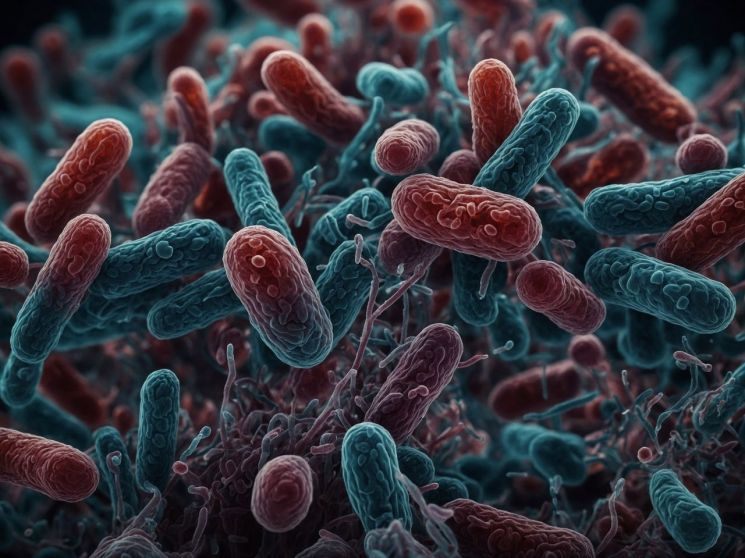
"Leaving Dirty Dishes Also Increases the Risk of Bacterial Growth"
Brian Labus, a public health expert at the University of Nevada, explained, "Bacteria multiply best in warm and humid environments, and a sink filled with dirty dishes is exactly that kind of environment."
It is also not safe to stack unwashed dishes next to the sink. Labus warned, "While bacterial growth may be limited in a dry environment, that does not mean the bacteria disappear," adding, "If food residue is left unattended, it can attract insects, which can then spread bacteria throughout the kitchen."
To reduce the risk of food poisoning, experts recommend using a dishwasher whenever possible. The high-temperature washing process of a dishwasher is effective at eliminating harmful microorganisms. Additionally, regularly disinfecting sponges and dishcloths by applying heat is also advisable, as it can kill bacteria.
© The Asia Business Daily(www.asiae.co.kr). All rights reserved.



















