Korea Consumer Agency Received 342 Dispute Cases Over the Past 3 Years
Accident-Related Disputes Account for 39%
Contract Cancellations and Excessive Penalties Make Up 37%
Consumer disputes related to car sharing-where vehicles can be easily rented and returned via applications (apps)-continue to arise. In particular, a significant number of disputes have occurred regarding the deductible (self-payment amount) associated with the “vehicle damage waiver system (car insurance)” that consumers purchase to be exempted from or reduce liability for damages in the event of an accident, highlighting the need for consumers to exercise caution.
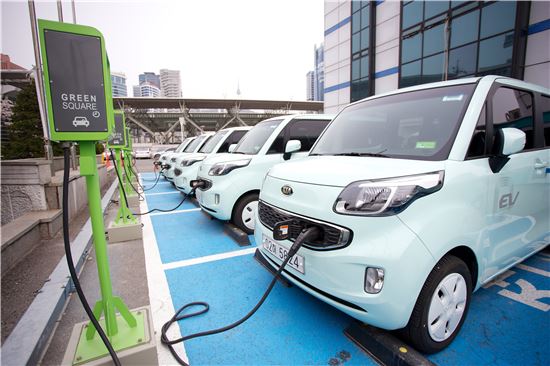 Car sharing (This photo is unrelated to the article content). Provided by Korail
According to the Korea Consumer Agency on December 28, there were 342 requests for dispute resolution related to car sharing received over the past three years, from 2023 through October of this year. Among these, “accident-related disputes,” such as excessive repair costs, deductibles, and loss-of-use fees, accounted for 38.9% (133 cases), while “contract-related disputes,” such as excessive penalties for contract cancellation or termination, made up 37.1% (127 cases).
Specifically, 47.3% (63 cases) of accident-related disputes (133 cases) stemmed from the refusal to process waivers, and 42.9% (57 cases) were related to excessive claims for repair costs or deductibles. Combined, these “deductible-related disputes” accounted for 90.2% (120 cases) of accident-related disputes.
When entering into a car sharing contract, consumers often purchase car insurance provided by the car sharing operator to be exempted from or reduce liability for damages in the event of an accident. Most advertisements for car insurance by the three major car sharing companies, when contracting through the app, include phrases such as “full coverage” and “zero deductible,” which can easily lead consumers to believe that they will be exempt from liability in the event of an accident. However, there have been cases where coverage was limited due to legal violations or unreported accidents, and the process for confirming these limitations requires several steps, making it difficult for consumers to intuitively check key details.
As a result, there have been cases where waivers were refused or excessive deductibles were charged if previously unnoticed damage was discovered after returning the vehicle (unnoticed accident), or if consumers, believing the incident would be covered under car insurance, failed to notify the operator immediately after an accident (unreported accident). Over the past three years, disputes arising from unnoticed or unreported accidents accounted for 38.3% (46 cases) of deductible-related disputes (120 cases).
Unlike rental cars, car sharing does not involve procedures where staff explain key details or jointly inspect the vehicle's condition from contract to return, so consumers must exercise considerable caution when renting and returning vehicles. The Korea Consumer Agency recommended improvements to the three major car sharing operators in April and December of this year, urging them to make key information about car insurance coverage restrictions easily accessible within their apps.
The Korea Consumer Agency also advised consumers to: ▲ Carefully review the coverage limits and exclusions of car insurance when signing a contract ▲ Immediately notify the operator in the event of an accident while using the vehicle ▲ Thoroughly inspect the vehicle’s condition before returning it ▲ If any issues are found compared to photos taken at the time of rental, be sure to inform the operator before returning the vehicle.
© The Asia Business Daily(www.asiae.co.kr). All rights reserved.
















