Jeong Ilgyun, a member of the Daegu City Council (People Power Party, Suseong District 1), emphasized on December 24 that the risks of social isolation and solitary deaths are concentrated in specific areas and housing types, highlighting the need for tailored response strategies that take into account local characteristics and residential environments. He made these remarks through a written inquiry submitted to the Daegu City government.
Assemblyman Jeong stated, "The high-risk group for isolation in Daegu is not evenly distributed across the city. Rather, it tends to be concentrated in certain administrative districts and housing types, such as Bokhyeon 1-dong (one-room apartments and gosiwon), Sangin 3-dong and Wolseong 2-dong (public rental housing), and Daemyeong-dong (areas with old houses)." He added, "Isolation should not be seen merely as an individual issue, but as a structural problem stemming from one's place of residence, and should be addressed as such."
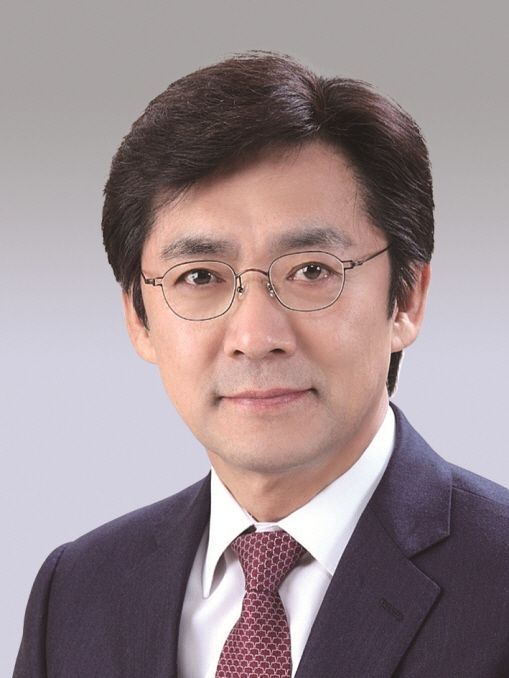
He further pointed out that areas with clusters of gosiwon and one-room apartments experience significant resistance to and disconnection from welfare services, while public rental apartment complexes are characterized by intensified collective isolation. Therefore, he stressed the need for customized policy responses that reflect the unique characteristics of each housing type.
Assemblyman Jeong also questioned the city on several points: whether a geography-based response strategy is being developed for areas with high concentrations of isolation; the current status of policies by housing type, including one-room apartments, gosiwon, rental apartments, and old houses; whether there is an integrated response organization or control tower that connects welfare, mental health, housing, and medical services; and what measures are in place to improve the identification rate of high-risk groups for solitary deaths.
In particular, citing data from Statistics Korea's KOSIS, Assemblyman Jeong noted that Daegu's solitary death rate is 9.7 per 100,000 people, ranking second highest nationwide. As of 2024, the cumulative number of solitary death cases in the city stands at 1,114, and the number of people classified as high-risk for solitary death in the same year is 8,599, which falls short of the national average identification rate.
In conclusion, Assemblyman Jeong stated, "Now is the time to recognize and address the issue of isolation not as a simple personal difficulty, but as a structural problem created by social conditions such as local communities and housing structures." He expressed hope that effective response strategies reflecting the characteristics of high-risk areas at the administrative district level and by housing type will be established.
© The Asia Business Daily(www.asiae.co.kr). All rights reserved.

















