Uiwang Mayor Loses Lawsuit Seeking to Nullify Council's Re-Approval
The mayor of Uiwang lost a lawsuit filed to block the Uiwang City Council's administrative investigation into allegations of public opinion manipulation by the mayor's secretary.
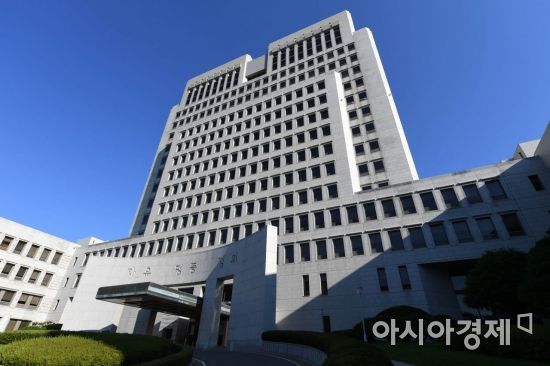
On the 24th, the Supreme Court's Second Division (Presiding Justice Park Youngjae) dismissed the lawsuit filed by Mayor Kim Sungje of Uiwang against the Uiwang City Council, seeking to nullify the council's re-approval resolution.
Previously, the head of Uiwang City's Policy Communication Office was convicted of violating the Information and Communications Network Act after writing posts on an online community for apartment residents to counter negative public opinion about city administration, thereby exceeding authorized access and intruding into the information network. The mayor of Uiwang issued a warning as disciplinary action against the head of the Policy Communication Office.
The Uiwang City Council resolved to approve a plan for an "administrative investigation into cyber public opinion manipulation related to the mayor's secretary," aiming to examine the appropriateness of the disciplinary action and whether the mayor was involved. The mayor requested the council to reconsider, but when the council re-approved the plan as originally proposed, the mayor filed a lawsuit claiming the re-approval was invalid.
The Supreme Court sided with the city council. The court stated, "This administrative investigation falls under the local government's affairs as defined by the Local Autonomy Act, specifically 'guidance and supervision of subordinate administrative agencies and organizations' and 'personnel, welfare, and education of affiliated public officials,'" and determined that it constitutes an investigation into local government affairs.
The Supreme Court further stated, "The investigation aims to determine whether the level of disciplinary action against the individual involved in misconduct was appropriate and whether the plaintiff was involved in the misconduct," rejecting the mayor's claim that the investigation was intended to interfere with ongoing trials or investigations.
Additionally, regarding whether the administrative investigation infringes on the mayor's exclusive authority, the court found, "It is merely a passive and ex post facto intervention within the scope of checks on the plaintiff's personnel authority, and does not infringe upon the plaintiff's exclusive authority or violate the principle of separation of powers." In accordance with the Local Autonomy Act, this lawsuit to confirm the invalidity of the re-approval was handled exclusively by the Supreme Court.
© The Asia Business Daily(www.asiae.co.kr). All rights reserved.

















