With the upcoming year-end holidays creating a series of long weekends, travel is expected to increase, leading to heavier traffic. Due to the recent sudden cold snap, drivers are advised to take extra care with vehicle maintenance. On December 25, K Car, the largest direct-managed used car platform in Korea, introduced essential winter driving safety tips and a vehicle maintenance checklist that all drivers should be aware of.
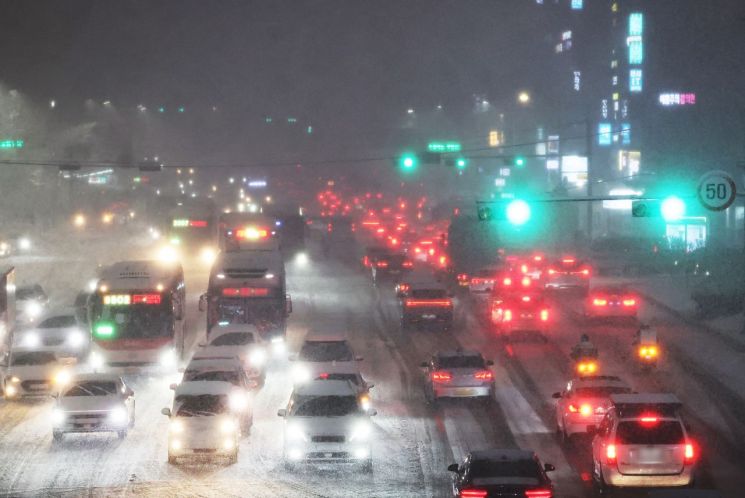
During winter, there are many sections of roads with icy surfaces or hard-to-see black ice, increasing the risks while driving. On icy roads, braking distances become much longer than usual, so it is important to reduce your speed by about 20-50% even on regular roads and maintain a sufficient safe distance from other vehicles.
It is also notable that many winter traffic accidents are caused by skidding. If your car starts to skid on the road, you should apply the brakes in several short pumps or use engine braking by shifting to a lower gear to decelerate. Accelerating without warming up the engine can strain the vehicle, so it is best to drive slowly right after starting the engine to allow it to warm up.
Extra caution is needed when starting on snowy roads. On snow-covered roads or slippery uphill slopes, driving as usual can cause the wheels to spin due to sudden force. In such cases, it is recommended to use the vehicle's snow mode feature. If this is not available, switch the transmission to manual mode and start in second gear.
On snowy days, it is safer to turn on your headlights even during the day to improve visibility, and in heavy snow, also turn on the fog lights to alert nearby vehicles to your presence. When driving on snow-covered roads, following the tire tracks of the vehicle ahead can also help prevent skidding accidents.
Tires, which are in direct contact with the road, require extra attention during winter. As temperatures drop sharply in cold weather, the air inside the tires contracts, lowering tire pressure. Therefore, it is recommended to check tire pressure at least twice a month and inflate them to slightly above the recommended level. The most effective way to prepare for snow and icy roads is to replace your tires in advance with snow tires that offer superior traction and braking performance.
Antifreeze, which prevents engine overheating and vehicle freezing, is also important. Generally, antifreeze should be replaced every two years or every 40,000 kilometers. In winter, mix coolant and antifreeze in a 50:50 ratio, and since coolant composition may vary depending on the manufacturer and region, it is necessary to check that you are using the same product as before.
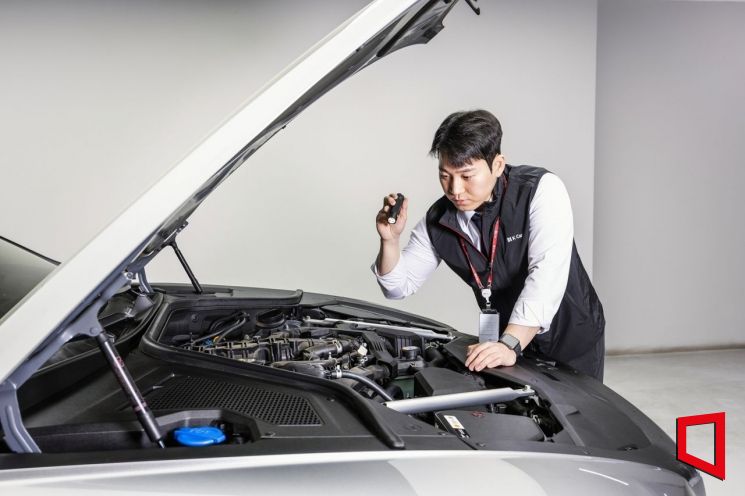
Batteries are particularly vulnerable to severe cold in winter. As temperatures drop, the chemical reactions inside the battery slow down, reducing performance, and the use of heaters or seat warmers increases power consumption, raising the risk of battery discharge. Whenever possible, use indoor parking, and if the vehicle is not driven for an extended period, run the car for 30 minutes once a week to prevent battery discharge. The recommended replacement cycle for car batteries is within three years or 50,000 kilometers, but since this can vary depending on usage conditions, it is advisable to check the battery every 10,000 kilometers.
Calcium chloride, used for de-icing, is one of the main causes of corrosion on the underside of vehicles. After long-distance travel or driving on snowy roads in winter, it is effective to thoroughly clean the undercarriage with a high-pressure washer and dry off any remaining moisture to prevent it from freezing. In addition, when removing frost that commonly forms on windows in winter, avoid pouring hot water directly onto frozen glass. Instead, use a dedicated scraper or activate the vehicle’s front and rear window defrosting features.
Hwang Kyuseok, Head of Diagnostics at K Car, stated, "It is most important to thoroughly check your vehicle before driving to prepare for sudden weather changes," adding, "By simply following the essential winter safety rules and vehicle maintenance tips, you can reduce the risk of accidents and keep your car in good condition for longer."
© The Asia Business Daily(www.asiae.co.kr). All rights reserved.
![Clutching a Stolen Dior Bag, Saying "I Hate Being Poor but Real"... The Grotesque Con of a "Human Knockoff" [Slate]](https://cwcontent.asiae.co.kr/asiaresize/183/2026021902243444107_1771435474.jpg)

















