Seonggyeong Food, Bioneer, CNCITY Energy, and More
Design Assets Organized by Company Stories
The Daejeon Metropolitan City and the Daejeon Design Promotion Agency have unveiled the results of an archiving research project titled “Collection and Archiving Study of Daejeon Corporate Design Historical Materials,” which sheds light on the growth process of the local industry and corporate competitiveness from the perspective of design.
This study distinguishes itself by moving away from the conventional industry history, which has focused on product performance and technology, and instead organizing the accumulated visual assets of companies-such as product design, branding, packaging, advertising, and spatial design-into a single “industrial record.”
The research reinterprets design not merely as a marketing tool, but as historical material that embodies corporate strategy, decision-making, and the flow of societal change. Notably, it is structured to allow a chronological examination of the role corporate design has played amid changing markets and society.
The research covered eight Daejeon-based companies: Gyeryong Construction, Daejeon Brewery, Dong-A Pencil, Bioneer, Seonyang Soju, Seonggyeong Food, CNCITY Energy, and Jinhap. The research team conducted a preliminary survey of approximately 290 local companies, then selected the target companies based on representativeness by industry, potential for data preservation, and significance to local industrial history.
This archiving study is also characterized by its story-driven organization of each company’s design assets.
Bioneer documented the integration of biotechnology and design under the theme “The Power of Design Bringing Science into Everyday Life,” while Daejeon Brewery recorded the evolution of local liquor brand design through “A Journey of Sensation Contained in a Bottle’s Design.”
Dong-A Pencil highlighted the identity of a long-standing brand with the keyword “A Design Remembered Because It Doesn’t Change.” Additionally, Seonyang Soju traced the evolution of local soju design; Seonggyeong Food presented a case study of a brand that has designed its values and messages; CNCITY Energy explored the role of an energy company in connecting the city and the arts; and Jinhap captured the significance of design that is invisible but drives industry.
The research team visited companies, conducted interviews, and collected materials to chronologically organize each company’s design assets, building an archiving report that was converted into a database. Through this process, design materials that had been scattered within each company were systematically compiled, making it possible to view the flow of design changes at a glance.

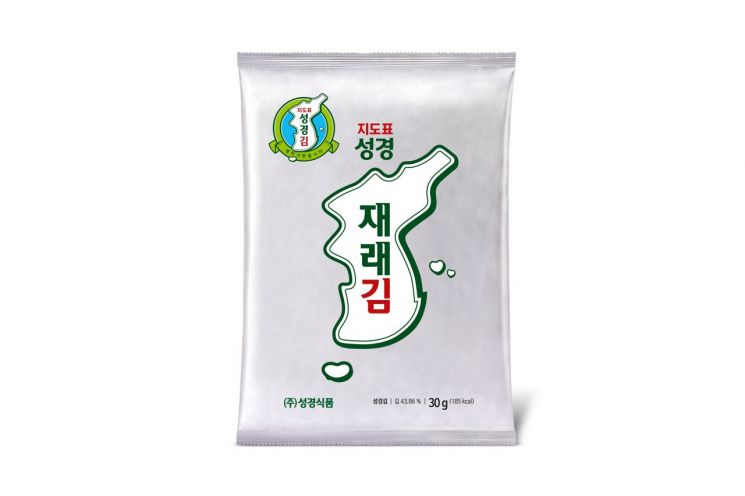
Among the companies participating in this study, Seonggyeong Food was analyzed as a case possessing brand and packaging design assets accumulated over a long period. The study organized Seonggyeong Food’s design assets by period and recorded the changes in its brand strategy and design activities.
Based on the accumulation of these design assets and brand activities, Seonggyeong Food received the Minister of Trade, Industry and Energy Award at the 27th Korea Brand Awards, the only government-run brand-related award system in the country. This can be interpreted as a case where continuous management of design assets and brand operations has been positively evaluated in terms of industrial competitiveness and brand value.
This case demonstrates that design archiving research not only preserves corporate design assets, but also systematically organizes and highlights the long-term accumulation of design activities and brand strategies, providing valuable reference material for understanding the process of building corporate competitiveness.
The design archiving materials published through this research will be available on the official website of the Daejeon Design Promotion Agency early next year.
In 2025, the Daejeon Design Promotion Agency plans to promote and expand the results of this design archiving research, focusing on the companies already identified through this study. In 2026, the agency will newly identify Daejeon-based companies, particularly listed companies, and actively pursue the documentation of design assets that reflect corporate activities and growth processes.
Through these efforts, the agency aims to provide step-by-step support for design innovation, brand value, and strengthening market competitiveness.
Lee Changki, Director of the Daejeon Design Promotion Agency, stated, “Design is both the outcome of a company and the record of a city,” adding, “Starting with this archiving research, we will systematically accumulate the design assets of local companies and utilize them as a foundation to enhance the competitiveness of Daejeon’s industry.”
© The Asia Business Daily(www.asiae.co.kr). All rights reserved.


















