Aftermath of Takaichi's "Taiwan Remarks" Continues
China Cancels Over 2,000 Flights to Japan Next Month
All 46 China-Japan Routes Canceled for Two Weeks at Year-End
As tensions between China and Japan intensify following Japanese Prime Minister Sanae Takaichi's remarks suggesting possible intervention in the event of a Taiwan contingency, it has been revealed that more than 2,000 flights from China to Japan scheduled for next month have been canceled. This is seen as a result of airlines and travel agencies reducing operations in line with the Chinese government's de facto economic retaliation. As the influx of Chinese tourists slows, Japan's tourism industry is taking a direct hit, with accommodation prices in major destinations such as Kyoto plummeting.

40% of Flights from China to Japan Canceled...Shanghai Routes Hit Hardest
On December 22, Chinese media outlet The Paper, citing data from the Chinese aviation database "Hangban Guanzha DAST," reported that 2,195 flights-approximately 40.4% of all flights from China to Japan scheduled through January next year-have been canceled.
Among these, all flights on 46 routes have been canceled for two weeks from December 23 to January 5, resulting in a 100% cancellation rate for those routes. In particular, routes from Shanghai Pudong and Hongqiao airports to Japan have been hit hardest, with all 14 routes completely suspended.
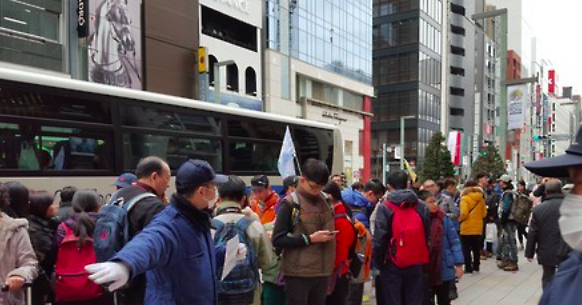
The canceled flights connect a total of 38 airports in China and Japan, and it is estimated that the travel plans of more than 440,000 passengers will be affected by this situation. Chinese airlines have also extended the period for free cancellations and changes on Japan-bound flights, originally set to end on December 31, through March next year. As Chinese airlines implement free cancellation and change policies for Japan routes, most flight cancellations are expected to be concentrated by the end of this month.
Tensions Escalate After Takaichi's "Taiwan Intervention" Remarks
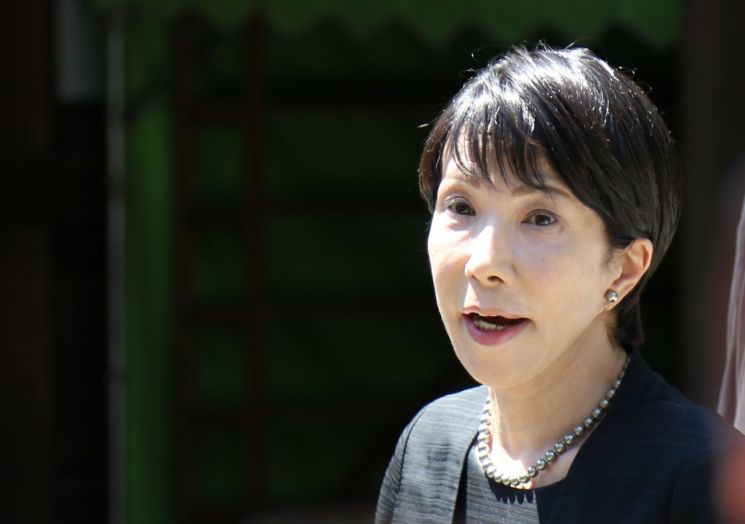
The background to this situation lies in Prime Minister Takaichi's statement in the National Diet on November 7. At the time, Prime Minister Takaichi stated that "Japan may intervene in the event of a Taiwan contingency," sparking conflict between China and Japan.
China viewed Prime Minister Takaichi's remarks as interference in the Taiwan issue, which it considers the "core of its core interests," and as part of its economic retaliation, the Chinese government advised Chinese tourists and students to refrain from visiting Japan on November 14. China also imposed a ban on Japanese seafood imports and implemented restrictions on Japanese movies and performances, among other economic pressure measures.
Sharp Decline in Chinese Tourists Leads to Plummeting Accommodation Prices in Japan
With the sharp decline in Chinese tourists visiting Japan, accommodation prices in popular destinations for Chinese travelers, such as Kyoto, have also dropped significantly. According to Japanese media outlet TBS News on December 21, the nightly rate for hotels in central Kyoto has recently fallen to around 10,000 yen (approximately 95,000 won). Some accommodations have reportedly lowered their prices to as little as 3,000 yen (about 28,000 won).
The average room rate at major hotels in central Kyoto temporarily dropped during the COVID-19 pandemic, but reached a record high of 20,195 yen (190,000 won) last year. Even in December last year, the average remained at 20,601 yen (195,000 won). Compared to these figures, current accommodation prices have fallen to less than half.
Aviation and travel analyst Takaro Toriiumi told TV Asahi, "With the cancellations by Chinese tourists, hotels have been unable to fill the gap with other foreign tourists or Japanese travelers, so they are lowering prices to attract more guests."
© The Asia Business Daily(www.asiae.co.kr). All rights reserved.



















