"Aedongji," the Belief That Red Bean Porridge Is Harmful to Children
The Meaning of Red Beans in Dongji Traditions and the Origins of Aedongji
This year, Dongji (Winter Solstice) falls on "Aedongji," a day when, according to tradition, it is considered better to eat red bean rice cakes rather than red bean porridge. Aedongji refers to years when Dongji occurs in the early part of the 11th lunar month, and there has long been a belief that red bean porridge could be harmful to children.
 Our ancestors regarded Dongji Day as the day when the energy of Yin reached its peak, and they cooked porridge with red beans symbolizing Yang to ward off misfortune and evil spirits. The custom of eating red bean porridge on Dongji Day is known to have been introduced from China. The Asia Business Daily DB
According to the National Folk Museum of Korea, Dongji is the 22nd of the 24 solar terms, marking the longest night and the shortest day of the year. In the solar calendar, it usually falls around December 21 or 22, but the lunar date varies each year. If it falls in the early part of the 11th lunar month, it is called "Aedongji," in the middle part, "Jungdongji," and in the latter part, "Nodongji." This year, Dongji falls on the 3rd day of the 11th lunar month, making it Aedongji. As its name suggests, Aedongji means "Baby Dongji."
Our ancestors regarded Dongji Day as the day when the energy of Yin reached its peak, and they cooked porridge with red beans symbolizing Yang to ward off misfortune and evil spirits. The custom of eating red bean porridge on Dongji Day is known to have originated from China, and related records can be found in Joseon Dynasty books on customs such as "Dongguk Sesigi" and "Yeolyang Sesigi." Along with the practice of making and eating red bean porridge during periods of mourning or the hottest days of summer, it was also called "Bokjuk" (porridge for the dog days).
However, on Aedongji, there is a tradition of eating red bean rice cakes instead of red bean porridge. This is because the red color of the red bean porridge is believed to drive away the Samsin grandmother, or because the word "juk" (porridge) sounds like "death," which is considered bad for children. Additionally, it was believed that if red bean porridge was made on Aedongji, which contains the character for "child" (ae), its impurity could be transferred to children, causing them to die or suffer great misfortune. The ancestors' intention was to retain the protective power of the red beans but to use rice cakes instead of porridge to safeguard children.
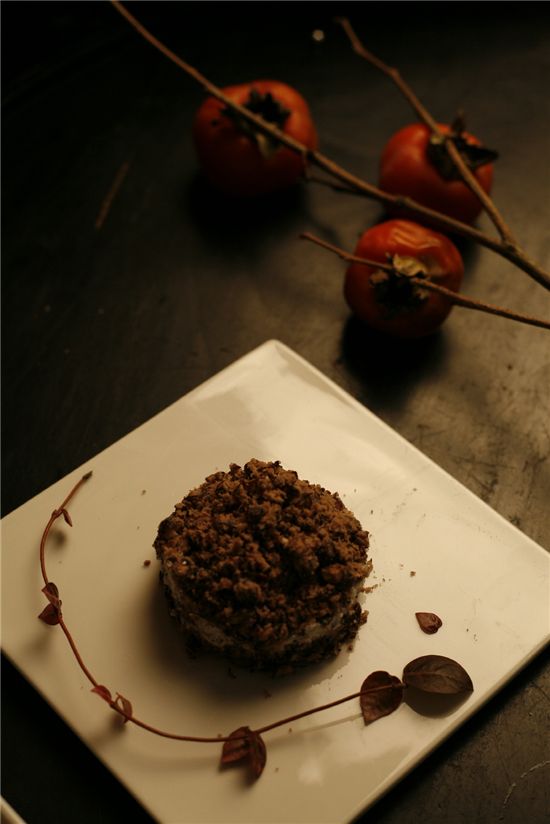 On the day of Aedongji, there is a custom of eating red bean rice cakes instead of red bean porridge. This is because the red color of the red bean porridge is believed to drive away the Samshin grandmother, or because the word "juk" (porridge) sounds like "death," which is considered bad for children. The Asia Business Daily DB
Dongji literally means "the arrival of winter," signifying the day when winter reaches its peak. From this day onward, the days gradually become longer, and in the past, it was also called the "Little New Year" to symbolize the return of the sun. There is also a tradition of placing red bean porridge inside and outside the house or sprinkling it on gates and walls to ward off misfortune. On December 21, the day before Dongji this year, an event was held at the Korean Folk Village in Yongin, Gyeonggi Province, where participants cooked red bean porridge using traditional methods.
© The Asia Business Daily(www.asiae.co.kr). All rights reserved.

















