Boseong Yeonggwangjung Clan Ancestral House and Onyang Museum Armor
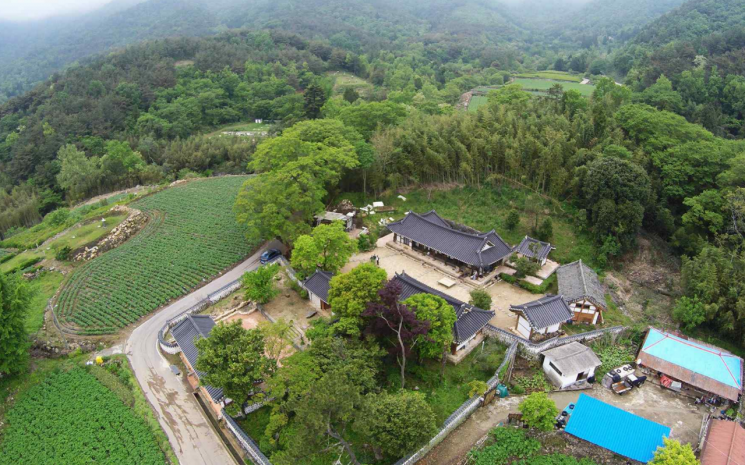
There is a house situated on a site considered a prime location, said to resemble a sacred turtle descending into the sea, with the house at the turtle's head. This is the Boseong Bonggangri Yeonggwangjung Clan Ancestral House located in Hoecheon-myeon, Boseong County, South Jeolla Province. The house has stood for 400 years since Jeong Sonil first established it. It has quietly endured the hardships of modern Korean history, from the anti-Japanese movement during the Japanese occupation to the ideological turmoil following liberation.
On December 22, the National Heritage Administration designated this ancestral house and the "Armor and Armor Box in the Collection of Onyang Folk Museum" as National Folk Cultural Heritage. The Yeonggwangjung Clan Ancestral House consists of six buildings, including the main quarters, men's quarters, and a family shrine. Among these, the uniquely Boseong-style '凹'-shaped main quarters reflect the social customs of the time, with private and storage spaces situated at the rear.
On the west side of the house is Samuidang, which served both as a seodang (Confucian school) and a family shrine where classical Chinese literature was taught. In front of the house stands the Gwangju Lee Clan Filial Piety and Loyalty Gate, erected by the Confucian scholars of Honam, adding further folk value. The panoramic view overlooking Deungnyangman Bay is also a prime example of landscape aesthetics.
The late Joseon-era armor and helmet, also designated this time, are artifacts that showcase the craftsmanship of the period. Kim Wondae, founder of the Onyang Folk Museum, acquired them from an acquaintance’s family while preparing for the museum’s opening in 1975. It is extremely rare for the armor, helmet, storage box, and wrapping cloth to all remain together as a complete set.
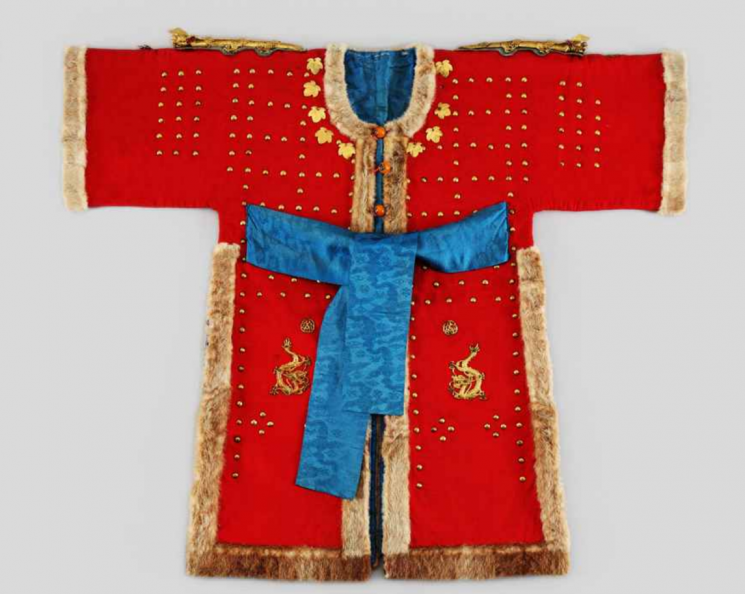
The armor, embroidered with four-clawed dragons, tigers, and wish-fulfilling jewel motifs on a red outer fabric, is believed to have been made for royal ceremonial or display purposes. In particular, the dragon-shaped shoulder guards are intricately designed so that the mouth and tongue move in unison. The helmet is also highly artistic, featuring phoenix and dragon designs inlaid with silver. The structure, in which the helmet decorations are stored in a separate box and then placed inside the armor box, demonstrates the ancestors’ wisdom in carefully preserving such artifacts.
The National Heritage Administration announced plans to systematically preserve these newly designated heritage items and utilize them as historical and cultural tourism resources. The agency also stated its commitment to actively uncovering the value of disappearing folk heritage through proactive administration.
© The Asia Business Daily(www.asiae.co.kr). All rights reserved.


















