Collaboration with the Tokyo National Museum...
Exhibition runs until February 22
Eighth-century shoji screens, furniture, and garments on display
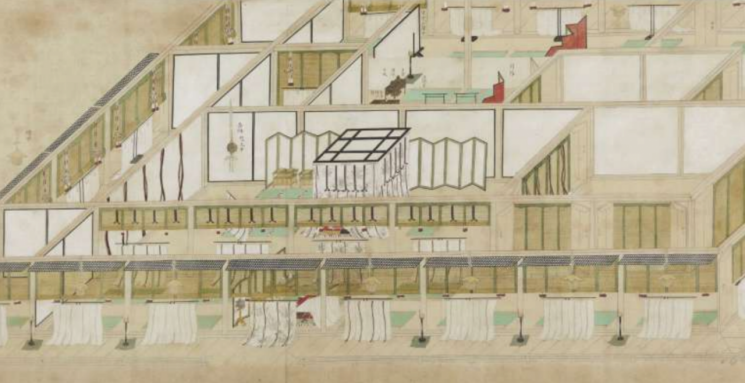 Floor plan of interior furniture arrangement in a Japanese noble residence, Ruiju Yosho Colored Edition
Japanese court culture is being introduced to Korea for the first time through an exhibition.
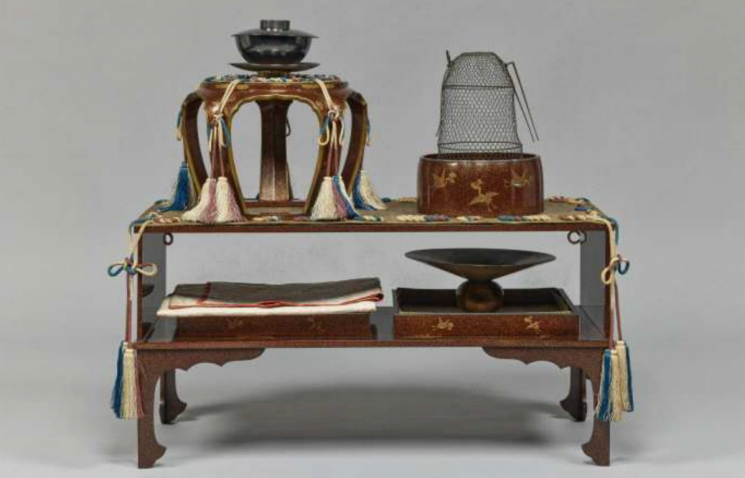
The National Palace Museum of Korea will host a special exhibition titled "A Millennium of Time: Japanese Court Culture" in the first-floor special exhibition hall from December 18 to February 22 of next year. The event commemorates both the 20th anniversary of the museum's opening and the 60th anniversary of the normalization of diplomatic relations between Korea and Japan. Thirty-nine pieces from the Tokyo National Museum's collection-including paintings, crafts, garments, and musical instruments-will be on display.
This marks the first achievement of the academic and cultural exchange agreement signed between the National Palace Museum of Korea and the Tokyo National Museum in September of last year. The exhibition will showcase furniture and interior decorations from the Higyosha, the residence of the Hubi, crafted in the style of traditional architecture from the eighth century.
The most striking artifact is a folding screen painted with images of shoji doors that once stood behind the imperial throne in the Shishinden, the main hall of the court. The work features thirty-two Chinese sages, highlighting the unique characteristics of Japanese court culture, which was shaped under the influence of the Tang dynasty.
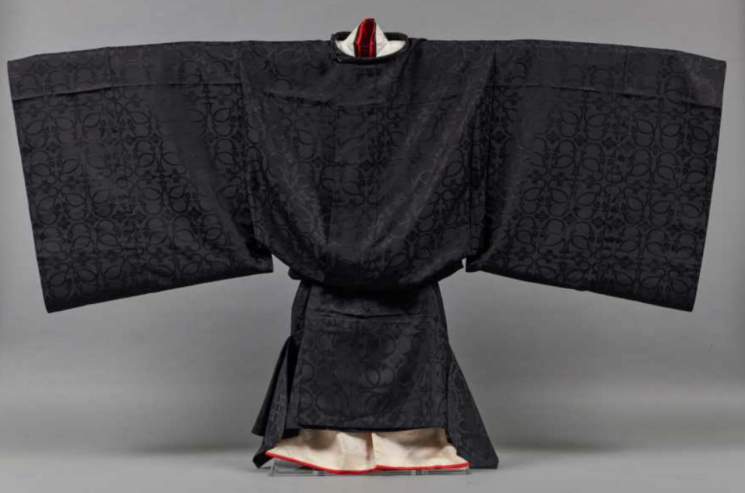
Traditional court attire, including ceremonial robes worn by officials and court members, will also be presented. Visitors can observe the distinctive style of wearing multiple layers of upper and lower garments with long trailing hems. The exhibition also includes illustrated albums depicting various types of court rituals, as well as costumes and instruments related to gagaku and bugaku.
Japan established a systematic court culture during the Nara period (710-794), after adopting the political system of China's Tang dynasty in 701. While early court culture was heavily influenced by China, it gradually evolved to suit Japanese customs, reaching its peak during the Heian period (794-1185). Although it declined when power shifted to the samurai during the Kamakura shogunate (1192-1333), court traditions were revived and continued after the establishment of the Edo shogunate (1603-1868), as political stability returned.
This exhibition, which sheds light on these historical developments, will offer guided docent tours every day at 2 p.m. Special lectures on "Japanese Court Culture" and "Royal Cultures of the World and the National Palace Museum of Korea" will be held on January 20 and February 3 of next year.
The National Palace Museum of Korea stated, "With this exhibition as a starting point, we will further strengthen our exchanges with the Tokyo National Museum," adding, "We aim to become a leading institution for the exhibition and research of royal cultures around the world."
© The Asia Business Daily(www.asiae.co.kr). All rights reserved.
![Clutching a Stolen Dior Bag, Saying "I Hate Being Poor but Real"... The Grotesque Con of a "Human Knockoff" [Slate]](https://cwcontent.asiae.co.kr/asiaresize/183/2026021902243444107_1771435474.jpg)


















