National Data Office Releases Population Dynamics Panel Statistics
Lower Rates of Marriage and Childbirth Change Observed in the Seoul Metropolitan Area
Statistics show that people with higher incomes and those who own homes are more likely to have more children. The use of parental leave also influenced parents' decisions to have multiple children.
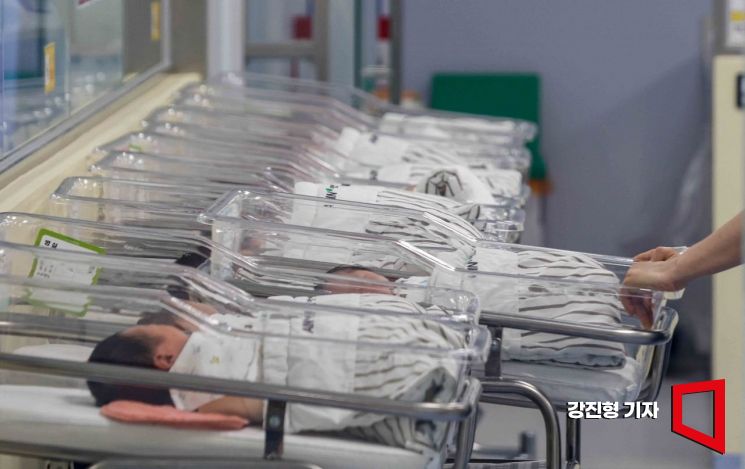
The National Data Office announced the results of the "2015-2023 Population Dynamics Panel Statistics Development" on December 16, 2025.
This statistical analysis targets individuals born between 1983 and 1995, examining various economic and social determinants and policy relationships affecting marriage and childbirth from 2015 to 2023. It is a newly developed indicator by the National Data Office.
According to the statistics, there were differences in the rates of marriage and childbirth depending on the year of birth. For both men and women, those born in earlier years showed higher rates of marriage and childbirth in the reference year, as well as higher rates of change to marriage and childbirth within three years, compared to those born in more recent years.
Specifically, among men born in 1983, 24.1% transitioned from being unmarried to married within three years. In contrast, only 15.5% of those born in 1988 made the same transition. The proportion of those who went from having no children to having children within three years was also higher for earlier cohorts, at 20.7% for those born in 1983 and 14.5% for those born in 1988.
Among women, 28.4% of those born in 1984 transitioned from being unmarried to married within three years, compared to 19.5% for those born in 1989. The rate of transitioning from having no children to having children within three years was 26.3% for those born in 1984 and 19.5% for those born in 1989, a difference of 6.8 percentage points.
People living in the Seoul metropolitan area had lower rates of marriage and childbirth in the reference year, as well as lower rates of change to marriage and childbirth within three years, compared to those living in other regions. For men in the metropolitan area, the rate of marriage did not differ significantly from other regions, but the rate of change to childbirth was lower than in other areas.
An analysis of earned income among regular wage workers showed gender differences in marriage and childbirth rates in the reference year. However, for both men and women, those with incomes above the average had higher rates of transition to marriage and childbirth within three years.
For example, among men born in 1983, the rate of transitioning from having no children to having children within three years was 35.2% for those with regular earned income above the average, compared to 18.2% for those below the average. Among those born in 1988, the rates were 25.6% and 11.9%, respectively.
For women born in 1984, the rate of transitioning from having no children to having children within three years was 33.1% for those with regular earned income above the average, compared to 27.4% for those below the average. Among those born in 1989, the rates were 25.4% and 19.1%, respectively.
Home ownership also had an impact. Among men born in 1988, the rate of transition to having children within three years was 26.5% for homeowners, more than twice as high as the 12.5% for non-homeowners. Among women born in 1989, the rates were 28.1% for homeowners and 18.5% for non-homeowners.
Whether or not parents used parental leave was strongly associated with the tendency to have multiple children. In fact, the proportion of parents with multiple children within three years was 39.2% among those who used parental leave, compared to 30.1% among those who did not.
© The Asia Business Daily(www.asiae.co.kr). All rights reserved.

















