Gyeonggi Province Releases Results of 2025 Immigrant Social Integration Survey
56.6% of Foreign Residents in Gyeonggi Are Long-Term Residents of Over 5 Years
Policy Shift Aimed at Eliminating Discrimination and Ensuring Health Rights
A recent survey has found that, as the proportion of long-term residents and foreign nationals of Korean descent increases among foreigners in Gyeonggi Province, there is a need to shift policy focus from short-term stays to supporting long-term residency.
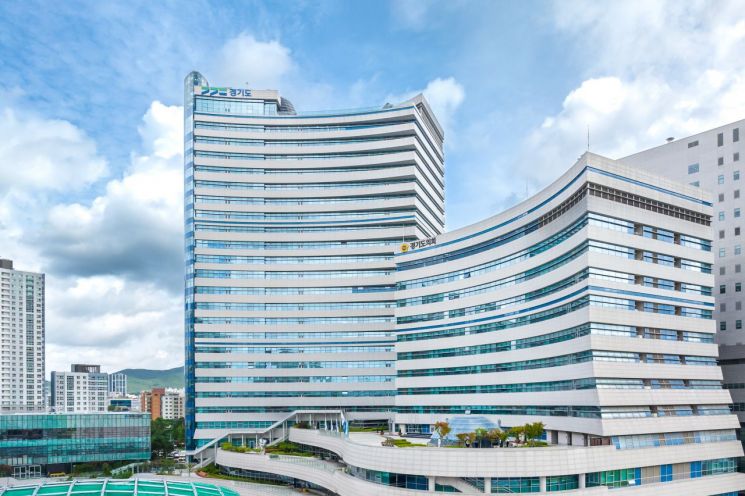
On December 15, Gyeonggi Province held a workshop in Siheung City for officials from immigrant support departments of its 31 cities and counties, where it announced the findings of the "2025 Gyeonggi Province Immigrant Social Integration Survey."
According to 2023 statistics from the Ministry of the Interior and Safety, approximately 810,000 foreign residents live in Gyeonggi Province, accounting for about 33% of the national total. In response to the rapidly increasing number of immigrants, the province conducted a survey from June to August targeting 712 immigrants, covering areas such as economic activity, family life, social participation, and experiences of discrimination.
The survey showed that among types of residency, foreign workers made up the largest proportion at 22.3%, followed by foreign nationals of Korean descent (22.2%), marriage immigrants (21.3%), other foreigners (14.3%), naturalized citizens (13.5%), and international students (6.3%). The share of long-term residents-those living in Korea for 10 years or more (29.8%) and those between 5 and 10 years (26.8%)-totaled 56.6%, making up the majority.
The labor force participation rate among all respondents was 64.7%, with 85.2% for men and 52.2% for women. The average proportion of immigrants in regular employment was 53.5%. However, among foreign nationals of Korean descent and other foreigners, the share of temporary and daily workers was high at 60.3% and 61.8%, respectively, exposing them to long working hours and job insecurity.
Most naturalized citizens (97.0%), marriage immigrants (96.2%), and foreign nationals of Korean descent (93.0%) lived with their spouses, while only 19.6% of foreign workers did so. Notably, only 11.2% of foreign workers with children lived with them, indicating a need for policies to support family cohabitation.
The most common difficulty in both economic activity and family life was language. A total of 41.2% of respondents cited a lack of Korean language proficiency as the biggest challenge in job searching, and 35.5% of immigrant children reported difficulties using Korean.
In the area of social participation, three out of four immigrants did not have voting rights, and only 16.1% of those eligible reported participating in elections. The main reasons for not voting were lack of time due to work (38.7%), not knowing they had the right to vote (26.3%), and lack of interest (22.7%). The voter participation rate among naturalized citizens was high at 92.2%.
The rate of experiencing discrimination-such as being ignored, insulted, or facing disadvantages in employment and wages-was 30.8%. Life satisfaction among immigrants who had experienced discrimination was 6.5 points, lower than the 7.26 points among those who had not. Levels of depression and stress were 10.74 points for immigrants, higher than the 9.83 points for Korean nationals. This indicator consisted of 11 items (each scored 0-3), with higher scores indicating higher levels of depression. However, the utilization rate of professional services such as psychiatric treatment or public health center counseling among immigrants was less than 5%, highlighting the need for policy support in this area as well.
Based on the results of this survey, the province plans to establish a "Comprehensive Plan for Social Integration of Immigrants in Gyeonggi Province."
Kim Wonkyu, Director of the Immigration and Multicultural Affairs Division of Gyeonggi Province, stated, "This survey is significant as the first official data to closely examine the realities of the immigrant community in Gyeonggi Province. As we rapidly transition to a settlement-oriented immigrant society, we will focus our policy efforts on implementing practical measures to eliminate discrimination, promote economic and social participation, and guarantee health rights."
© The Asia Business Daily(www.asiae.co.kr). All rights reserved.
![Clutching a Stolen Dior Bag, Saying "I Hate Being Poor but Real"... The Grotesque Con of a "Human Knockoff" [Slate]](https://cwcontent.asiae.co.kr/asiaresize/183/2026021902243444107_1771435474.jpg)
















