Scoring IQ and Disease Risk Through Embryo DNA Analysis
Lack of Scientific Validation and Legal Regulation
Recently, as the trend of using embryo genetic information during in vitro fertilization (IVF) to pre-analyze intelligence, height, disease risks, and select the "most advantageous" embryo is spreading, ethical controversies are intensifying. The fact that commercialization has advanced before sufficient scientific validation has also become a problem.
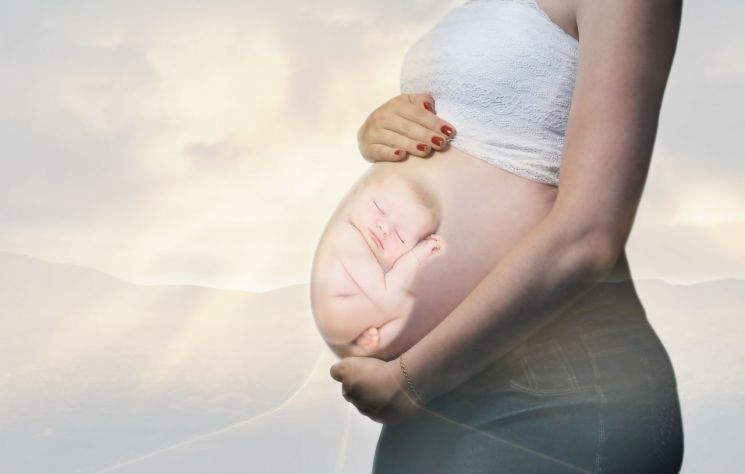 Recently, in the process of in vitro fertilization (IVF), there is a growing trend to use the genetic information of embryos to analyze intelligence, height, disease risks, and other factors in advance, aiming to select the "most advantageous" embryo. Pixabay
According to The Guardian, some IVF couples are obtaining DNA data from their embryos and commissioning American genetic analysis companies to score and rank the risks of various conditions such as IQ, height, heart disease, and dementia. These companies claim that, by selecting from five embryos, the average IQ can be increased by six points, and that they can estimate not only gender and height but also disease probabilities. The cost for such a service can reach about 50,000 dollars (approximately 73 million won).
Parents who have used these services say they are "investing to give their child a better future" and consider it less expensive than private school tuition. Some have stated, "I want to get the most satisfactory option among several embryos."
However, experts express concerns due to the lack of scientific evidence and unclear ethical and legal boundaries. British law restricts embryo screening to serious genetic diseases, and the Human Fertilisation and Embryology Authority (HFEA) warns that such results should not be used for IVF selection.
Professor Angus Clarke, a clinical geneticist at Cardiff University, pointed out, "Unproven technology is being sold to emotionally vulnerable parents," and added, "Parents' expectations may become a burden for the child and lead to disappointment."
Professor Svetlana Yatsenko of Stanford University’s Department of Life Sciences stated, "Analyzing the genome from only a small number of cells is highly prone to error," and warned, "Choosing embryos based on incorrect information can be risky for both parents and children."
Additionally, there are concerns that such services, being accessible only to the wealthy, could exacerbate genetic gaps and social inequality. MIT bioethics expert Professor Allison Brooks cautioned, "A social environment where the reason for being chosen is known could place a burden on the child."
While some argue for establishing regulations to allow legal use, and others insist on a total ban due to the risks of genetic elitism and increased social disparity, the fact that the commercial market is moving ahead without ethical consensus is further fueling the controversy.
© The Asia Business Daily(www.asiae.co.kr). All rights reserved.
![Clutching a Stolen Dior Bag, Saying "I Hate Being Poor but Real"... The Grotesque Con of a "Human Knockoff" [Slate]](https://cwcontent.asiae.co.kr/asiaresize/183/2026021902243444107_1771435474.jpg)
















