Apartments Exceeding 10 Billion Won Rise Further Outside Regulation
Clear Market Segmentation Centered on Cash-Rich Buyers
Despite the government's stringent lending regulations, record-high transactions continue in the ultra-luxury apartment market in Seoul's Gangnam area. With the mortgage loan cap having effectively lost its significance, a series of cash transactions worth tens of billions of won are taking place, highlighting the increasingly independent trajectory of the high-end housing market.
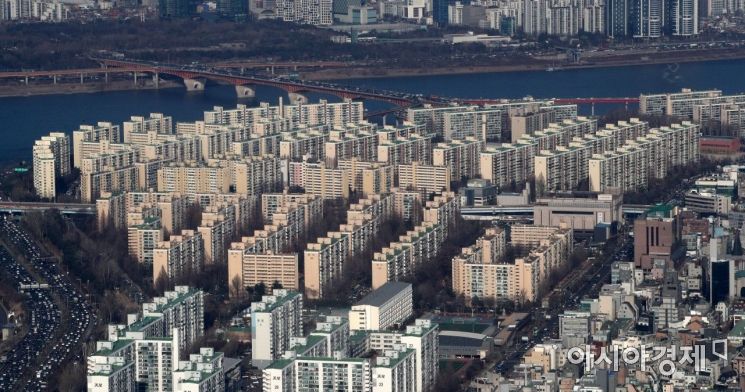
On October 24, a 183-square-meter unit at Shinhyundai Apartment in Apgujeong-dong, Gangnam-gu, Seoul, was sold for 11.5 billion won, setting a new all-time high for the complex. Although this apartment complex is over 40 years old, expectations for reconstruction have driven a rapid surge in prices. After surpassing the 7 billion won range earlier this year, prices soared past 9 billion won within just a few months, and this latest transaction pushed the price up to the 11 billion won level. Compared to a transaction of the same size unit on October 22 for 9.8 billion won (on the 2nd floor), the price increased by 1.7 billion won in just about two days.
There was no mortgage registered in the official registry, indicating that the entire transaction amount was paid in cash. The buyer is 41 years old, reflecting a trend of younger buyers entering the ultra-luxury housing market.
Such transactions are drawing attention as they have occurred after the government significantly tightened lending regulations targeting high-priced homes. Under current regulations, mortgage loans for homes priced above 2.5 billion won are capped at 200 million won, but in transactions exceeding 10 billion won, the availability of loans has virtually no impact on price determination.
In fact, ultra-luxury apartment transactions have been rapidly increasing in recent years. According to the Ministry of Land, Infrastructure and Transport's official transaction price disclosure system, the number of apartment transactions exceeding 10 billion won remained in the single digits in 2021, but has increased annually, reaching dozens of cases this year.
Despite being highly regulated areas, the three Gangnam districts and Yongsan-gu are seeing concentrated demand from buyers with ample financial resources. While the total number of apartment transactions in Seoul has plummeted since the lending restrictions, both transaction volume and prices in these districts have remained robust.
In particular, record-high prices are being set in complexes where reconstruction projects are in full swing. In the Apgujeong area, large-scale redevelopment projects are becoming more visible, and expectations for future value are being reflected in current prices. As massive renovation projects worth trillions of won accelerate, ultra-high-priced transactions are being made even for aging apartments.
Analysts say this phenomenon is creating a divide, with lending regulations suppressing overall market transactions while separating the high-end housing market for the wealthiest asset holders. The stricter the regulations, the more demand reliant on leverage exits the market, while the proportion of transactions by those with sufficient cash liquidity increases, deepening polarization.
As apartment prices in Seoul's most prestigious areas continue to set new records, the high-end housing market is moving on a different trajectory from the general housing market. The ongoing transactions exceeding 10 billion won, even after the implementation of lending regulations, are expected to further entrench the dual structure of the real estate market in the future.
© The Asia Business Daily(www.asiae.co.kr). All rights reserved.