A Surge of Small-Portion Product Launches
Single-Person Households and High Inflation Drive the Trend
Minimizing Waste Over Quantity... Market Shifts Toward Efficiency
Amid high inflation and the rise of single-person households, the standards for food consumption are changing. Moving away from the previous trend of prioritizing quantity for price, the food industry is now adopting “small-portion and mini-format” products as a new strategy, allowing consumers to enjoy just the right amount without feeling burdened. This shift reflects changing consumer perceptions that emphasize convenience, health, and minimizing waste, rapidly reshaping the market landscape.
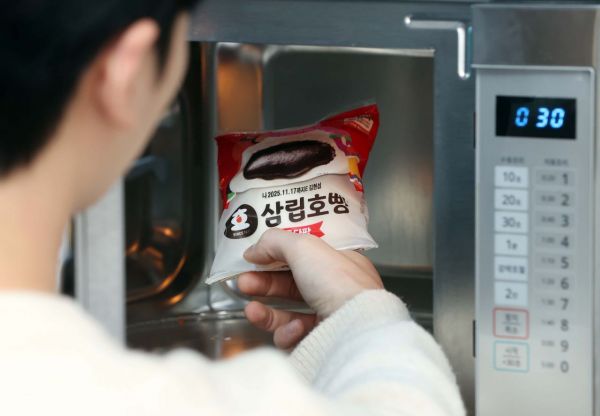
According to industry sources on December 13, SPC Samlip recently launched its signature winter product, “Samlip Hobbang,” in a format tailored for single-person households. Instead of the usual packs containing three to five pieces, the company introduced a new “single-pack Hobbang,” with just one piece per bag, reducing the burden on consumers.
The small-portion trend is expanding in the dining-out and alcoholic beverage sectors as well. Burger King introduced the “Baby Burger,” which gained popularity in France, to the domestic market. Classic menu items like the Quattro Cheese Whopper, Shrimp Whopper, and Bulgogi Whopper have been downsized to bite-sized portions, allowing customers to enjoy multiple flavors at once. Moonbear, the craft beer brand by Kyochon F&B, responded to the demand for smaller beers by launching four types of “Mini Cans,” reducing the size from the standard 500ml to 250ml. In addition, Kooksoondang released the “Baekseju Miniature,” which is one-quarter the volume of the standard Baekseju, and Seoul Jangsu launched “Teazen Kombucha Lemon” in a 480ml PET bottle instead of the usual 750ml. This differentiation, using kombucha as a base for a fermented alcoholic beverage, combined with the small-portion design, is seen as lowering the entry barrier for consumers.

This shift is closely linked to changing consumer values. In an environment of high inflation, consumers are choosing to reduce their perceived financial burden by breaking purchases into smaller units rather than cutting overall spending. Especially with food, factors such as storage life and consumption frequency directly influence purchasing decisions. As a result, the standard for “value for money” is shifting from quantity to consumption efficiency and minimizing waste. The growth of one- to two-person households and the dominance of online and convenience store channels are also fueling the spread of small-portion products.
The trend is similar in global markets. According to global research firm Grand View Research, the worldwide single-serve packaging market was valued at approximately 10.4 billion dollars (about 15 trillion won) last year and is expected to grow at an average annual rate of 6.3% through 2030.
An industry official stated, “It is becoming increasingly important to move beyond price competition based on quantity and instead segment strategies according to consumer experience and usage context. As demand for appropriate portion sizes increases, small-portion products are being used as a means to enhance both brand image and profitability.”
© The Asia Business Daily(www.asiae.co.kr). All rights reserved.


















