"No Payment Information, Passwords, or Personal Customs Clearance Codes Leaked"
No New Leak Incidents... No Suspected Cases of Secondary Damage Found
No App Installation Requests via Phone or Text... Change Shared Entrance Access Code Recommended
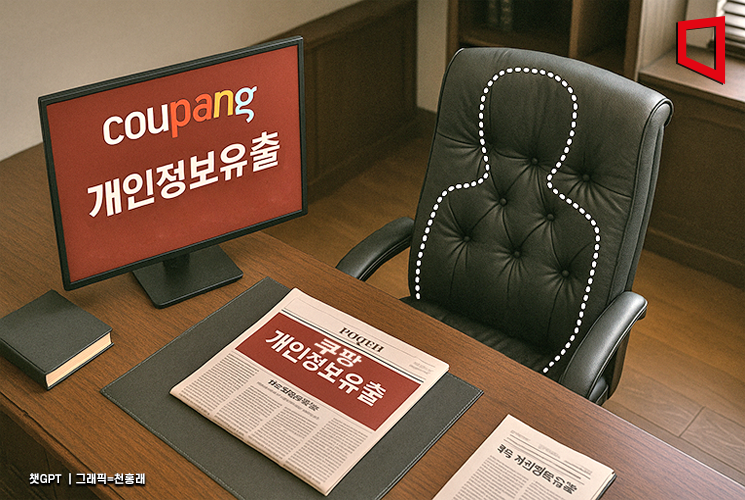
On December 7, Coupang posted a notice regarding the large-scale personal information leak, providing details on the leaked items and guidance on how to prevent further damage.
In the notice, Coupang stated, "We are providing precautions to prevent additional damage such as impersonation and phishing in relation to the personal information leak incident that we began notifying about on November 29," and added, "There have been no new leak incidents."
Coupang explained, "The National Police Agency announced that, through a comprehensive investigation, no cases of secondary damage using information leaked from Coupang have been identified so far," and added, "Immediately after the incident, we blocked abnormal access routes and further strengthened internal monitoring."
The company also said, "As soon as we became aware of the leak, we promptly reported it to the relevant authorities," and added, "We are cooperating with the Ministry of Science and ICT, the National Police Agency, the Personal Information Protection Commission, the Korea Internet & Security Agency, and the Financial Supervisory Service in the ongoing investigation."
Coupang announced, "We have repeatedly confirmed that no payment information such as your card or account number, login-related information such as passwords, or personal customs clearance codes were leaked."
Previously, on December 3, the Personal Information Protection Commission requested that Coupang change its notification from 'exposure' of personal information to 'leak' and resend the notice, ensuring that all leaked items were included. Coupang had been criticized for sending a notification titled 'exposure' to government authorities, even after confirming that customer personal information had been leaked due to unauthorized access by an unidentified individual.
Coupang explained that the leaked information included: ▲customer name ▲email address ▲delivery address book (names, phone numbers, addresses, and shared entrance access codes entered in the address book) ▲some order information.
The company also provided methods to prevent additional damage from phone calls or text messages impersonating Coupang. Coupang stated, "We do not request app installation via phone call or text message," and added, "Since scammers may impersonate 'Coupang' through smishing or phishing messages, please do not click on any links from unclear sources and delete such messages immediately."
They further advised, "If you receive suspicious phone calls or text messages, please report them to 112 or the Financial Supervisory Service," and added, "We recommend using the 'Financial Transaction Safety Blocking Service' and ask you to verify whether the text message was sent by Coupang's official customer center."
The customer service numbers provided by Coupang are as follows: Coupang Customer Center (1577-7011), Coupang Personal Information Protection Center (1660-3733), Coupang Eats (1670-9827), Coupang Pay (1670-9892), and Coupang Play (1600-9800).
The 'delivery completed' text message that customers receive after placing an order is sent only from the Coupang Customer Center number (1577-7011). The delivery completion message includes a shortened link.
Coupang further emphasized that, except for exceptional cases such as difficulty entering the delivery address or when there are no items to collect, delivery drivers do not make direct phone calls or send text messages regarding delivery or collection.
If you have entered a shared entrance access code in the Coupang delivery address book, Coupang recommends changing the access code for that shared entrance.
© The Asia Business Daily(www.asiae.co.kr). All rights reserved.

















